| | | | | | | Presented By CONSENSYS | | | | Axios Crypto | | By Brady Dale ·Oct 03, 2024 | | 🌞 Thanks to readers who said hello at Messari Mainnet! It's never too often that someone tells me they are a denizen of these pages! - If you see this, reply with "Dogecoin." I'm told that helps our delivery rates to other readers.
🙋♂️ What do you think of our pivot to policy/politics here? 📥 crypto@axios.com Today's newsletter is 1,192 words, a 4-minute read. | | | | | | 1 big thing: 📝 Exit interview with Coin Center chief | | |  | | | Coin Center executive director Jerry Brito at their annual dinner. Photo illustration: Axios Visuals. Photo: Courtesy of Coin Center | | | | Jerry Brito, the original executive director of the pioneering crypto advocacy group in Washington, Coin Center, is preparing to leave the organization at the end of the year, as one of his long-time deputies takes over. Why it matters: The organization began in 2014, when only a handful of elected leaders even knew what Bitcoin was. Today, you'd be hard-pressed to find one who didn't have an opinion about cryptocurrency. The big picture: The broadest change he's seen over his 10-year tenure, Brito tells Axios, is crypto becoming quite partisan. (It wasn't, early on.) - "When you think of crypto and who's building it, it's a certain demographic that I think progressives are suspicious of," he says.
That mindset can trace its roots to 2019, when Facebook tried to launch Libra. - "That I think was an inflection point for crypto," Brito says. After that, a lot of lawmakers — mostly Democrats — got dug in on the idea that blockchains are suspect.
- That's also the source of one of Brito's biggest regrets from his tenure.
What he's saying: "There's a progressive case for crypto," he says. Looking back, that's something he wishes he would have worked on sooner, making that case to lawmakers on the left before events like Libra's launch caused them to make up their minds. Zoom in: In a rich country that's enjoyed liberal democracy for more than 100 years, Brito sees a population that has come to take their civil liberties for granted. - "People don't realize that cash is this escape hatch," Brito says. It's the only kind of payment we can make that doesn't leave a permanent record.
- Cryptocurrency, he's been arguing these past 10 years, is a digital escape hatch from the world of financial gatekeeping. Digital payments work easily here, but wholly at the pleasure of companies like Apple and Chase, or agencies like FinCen or the DOJ.
Inside the room: His organization has sought to get legislators working on financial policy to the same level of sophistication as those overseeing commerce. - The internet, as Brito put it, isn't really regulated, but the companies that set up shop on the internet are. That's how blockchain networks should be treated too, he contends.
Flashback: Coin Center has been pulled into many conversations, but two besides Libra have stood out. - One was when the Trump administration suddenly tried to regulate software wallets. "It's unconstitutional, bad policy and unacceptable," Brito said. His side won.
- There were losses though. Crypto managed to hold up President Biden's infrastructure bill, but Team Blockchain lost on their demands. "Subsequently, we filed suit," Brito said.
The bottom line: "I think folks are concerned on all sides about the strength of our democracy," Brito said. - One option beyond activism, he said, is "you can also, I think, work to make it more difficult if not impossible for corporations or the government or other powers to restrain your freedom, and crypto is perfect for that."
|     | | | | | | 2. ☎️ Charted: The Trump/Senate spread | | | 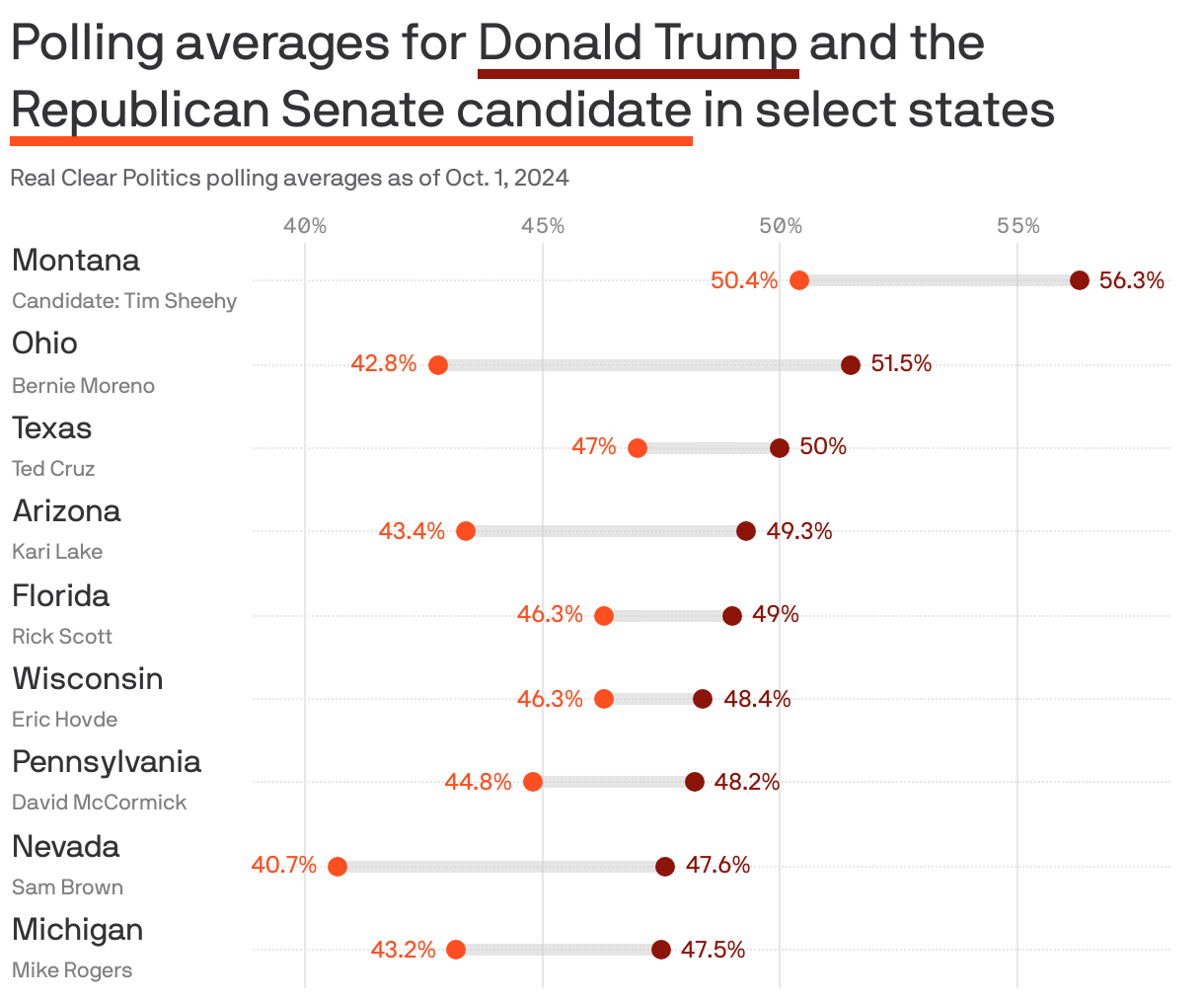 Data: Real Clear Politics; Chart: Thomas Oide/Axios (Editor's note: Shoutout to the Axios Sneak Peak newsletter.) Axios got some face time in New York with one of the folks on this list: Bernie Moreno of Ohio (challenger to noted crypto-skeptic, Senate banking chair Sherrod Brown). What they're saying: Moreno's deficit with Trump? "It's all name ID," the candidate tells Axios. - You can go anywhere in Ohio, and everyone has an opinion about Trump, but a lot of them haven't heard of him.
- "That's what's got to be cured. That's what we're curing. That's what the money that's invested in my race is making happen," he says.
By the numbers: Since turning to the Ohio Senate race in mid-August, Defend American Jobs — one of several super PACs backed by crypto executives and investors — has spent $37.1 million on ads as of Sept. 25, according to AdImpact data. - That's $10.5 million more than the next biggest ad buy over that same period for either candidate: $26.6 million by Senate Leadership Fund, a PAC linked to Minority Leader Mitch McConnell.
Go deeper: Bernie Moreno's crypto dream in the Ohio Senate race | | | | | | | | 3. 🎰 Kalshi's Congress betting is a go | | |  | | | Illustration: Brendan Lynch/Axios | | | | The prediction market startup Kalshi is clear, for now, to offer markets on which party will control each house of Congress after the next election. Why it matters: Smaller markets offering bets on elections have existed for a long time and, per a federal appeals court ruling yesterday, regulators objecting to Kalshi's markets were not able to show compelling evidence that those markets caused real harm to the public interest. Driving the news: The D.C. Court of Appeals denied a motion from the Commodity Futures Trading Commission to block Kalshi from offering the betting contracts while it appeals a prior court decision. - "The Commission has failed to make the essential showing of irreparable harm. But such a showing is not out of reach," Judge Patricia Millett writes for the court.
The intrigue: On Polymarket, another prediction market startup, there's been $1.8 million bet on which party will control the U.S. Senate. In total, $660,000 has been bet on control of the House of Representatives. - Polymarket is the current market leader for these sorts of bets, but it made an agreement with the CFTC in a 2022 settlement to take steps to exclude U.S. citizens from participating in its markets.
- "Whether Polymarket has complied," Millett noted in today's opinion, "is in question."
💭 My thought bubble: This has been a weird election and the popularity of prediction markets this year has been a reflection of that craziness. The latest: Kalshi's House and Senate markets are live, but volume is pretty light and no presidential market yet. Go deeper. | | | | | | | | A message from CONSENSYS | | Consensys convenes industry leaders to talk crypto policy | | | 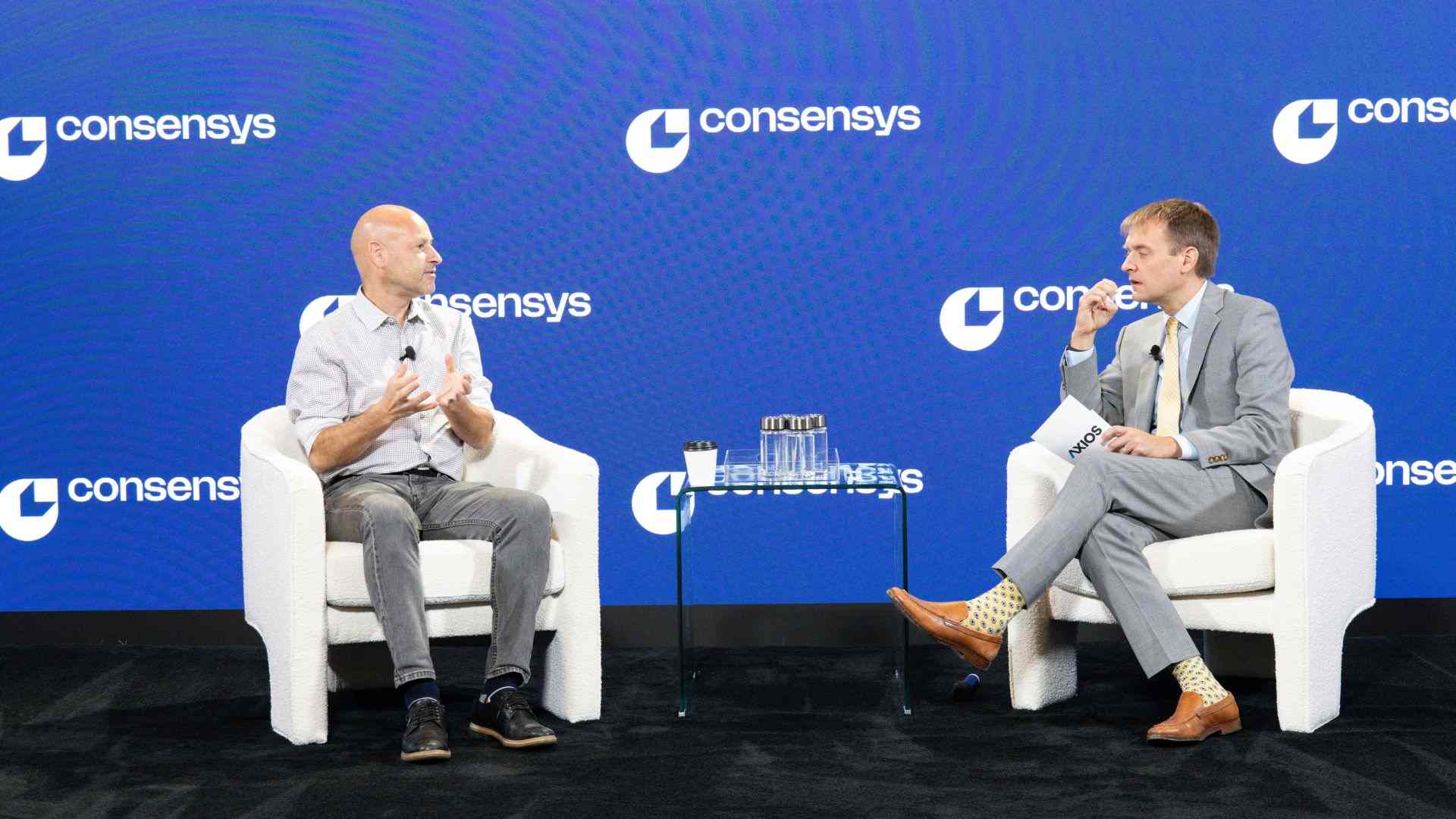 | | | | Web3 software company Consensys recently convened influential crypto voices in D.C. to discuss the need for regulatory clarity. - One takeaway: Bipartisan action is needed on Web3 to promote economic development and democratic interests.
Watch the video and read more takeaways. | | | | | | 4. 🚪SEC Enforcement Division chief departs | | | 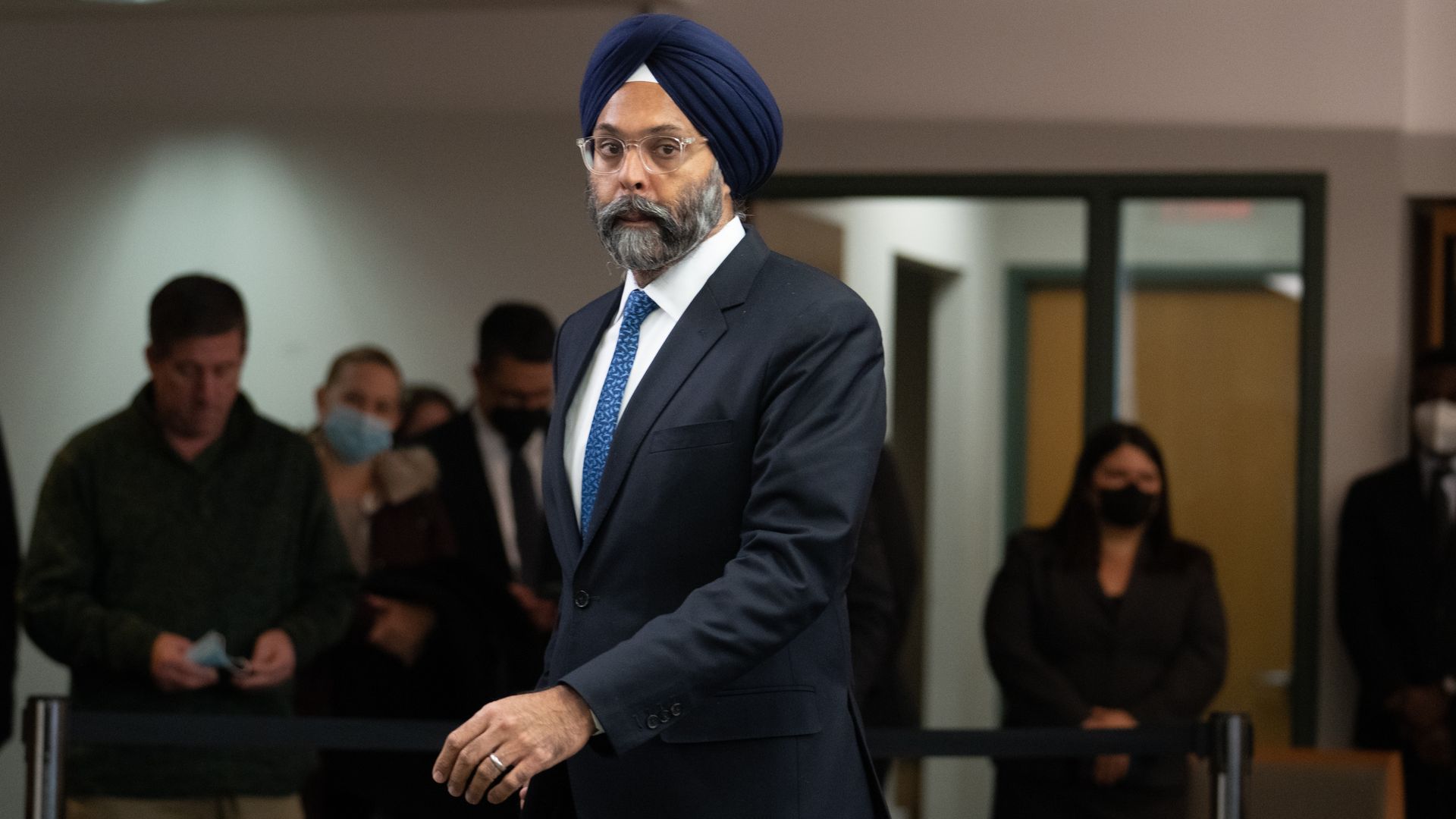 | | | Gurbir Grewal, director of enforcement for the SEC, arriving at the press conference last year to announce charges against Sam Bankman-Fried. Photo: Jeenah Moon/Getty Images | | | | Enforcement lead Gurbir Grewal is leaving the SEC on Oct. 11. His name is familiar to us, as it frequently appears in announcements about charges against cryptocurrency firms Between the lines: In the agency's announcement, it notes that he brought over 100 enforcement actions against digital asset firms. - The cases of Coinbase and Binance are cited, both of which are still in court.
The latest: Sanjay Wadhwa has been named acting director of enforcement. | | | | | | | | 5. 🗞️ Catch up quick | | |  | | | Illustration: Annelise Capossela/Axios | | | | 🇰🇵 Breaking down an open secret, this report details how frequently North Korean agents get remote technical jobs with crypto firms to funnel money back to their home country. (CoinDesk) 🕸️ The Swift network will allow trials of blockchain-to-blockchain transactions next year. (Bloomberg) 🥱 Bitwise filed for an XRP ETF. XRP is the seventh-largest cryptocurrency. (Blockworks) 🧸 OpenSea execs have been departing amid a low ebb in NFT markets. (DL News) | | | | | | | | 6. 📲 Culture hash: First things first, tweet | | | 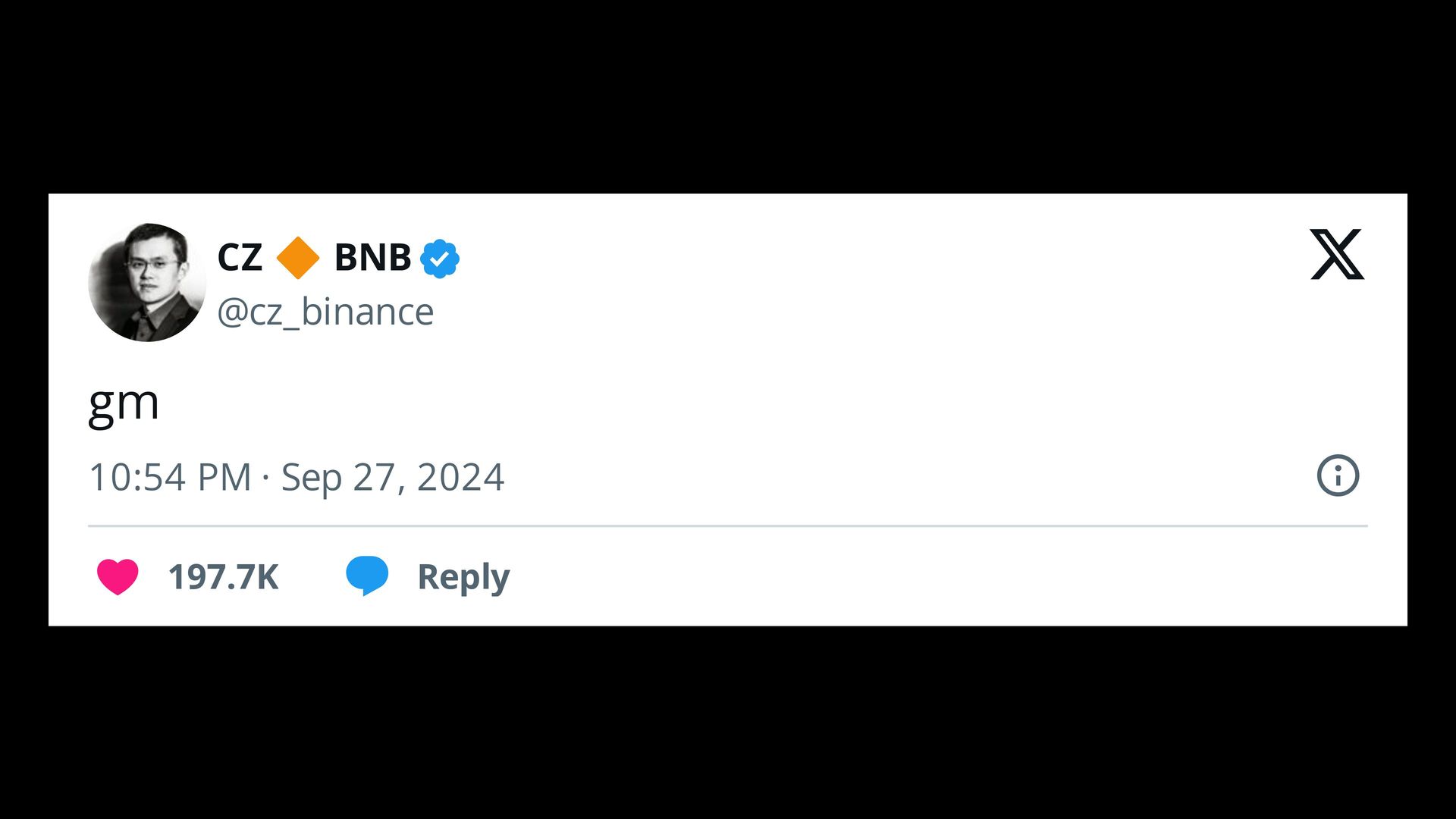 | | | Screenshot: @cz_binance (X) | | | | It's not the first thing I'd do after prison, but everyone knows CZ loves social media. The latest: Changpeng Zhao, the former CEO of Binance, was released on Sept. 27 after his brief stint in prison. - "GM" is twitter-speak for "good morning," but it's also become a way of saying "I'm Team Crypto."
What he said: "What a luxury to be able to have more than one piece of fruit per day!" he wrote in a followup tweet. - He says that he's been thinking about his philanthropy, next moves and writing his book.
- "@binance seems to be doing well without me back-seat-driving, which is excellent. Every founder's dream!"
| | | | | | | | A message from CONSENSYS | | Consensys brings bipartisan lawmakers together to talk crypto policy | | | 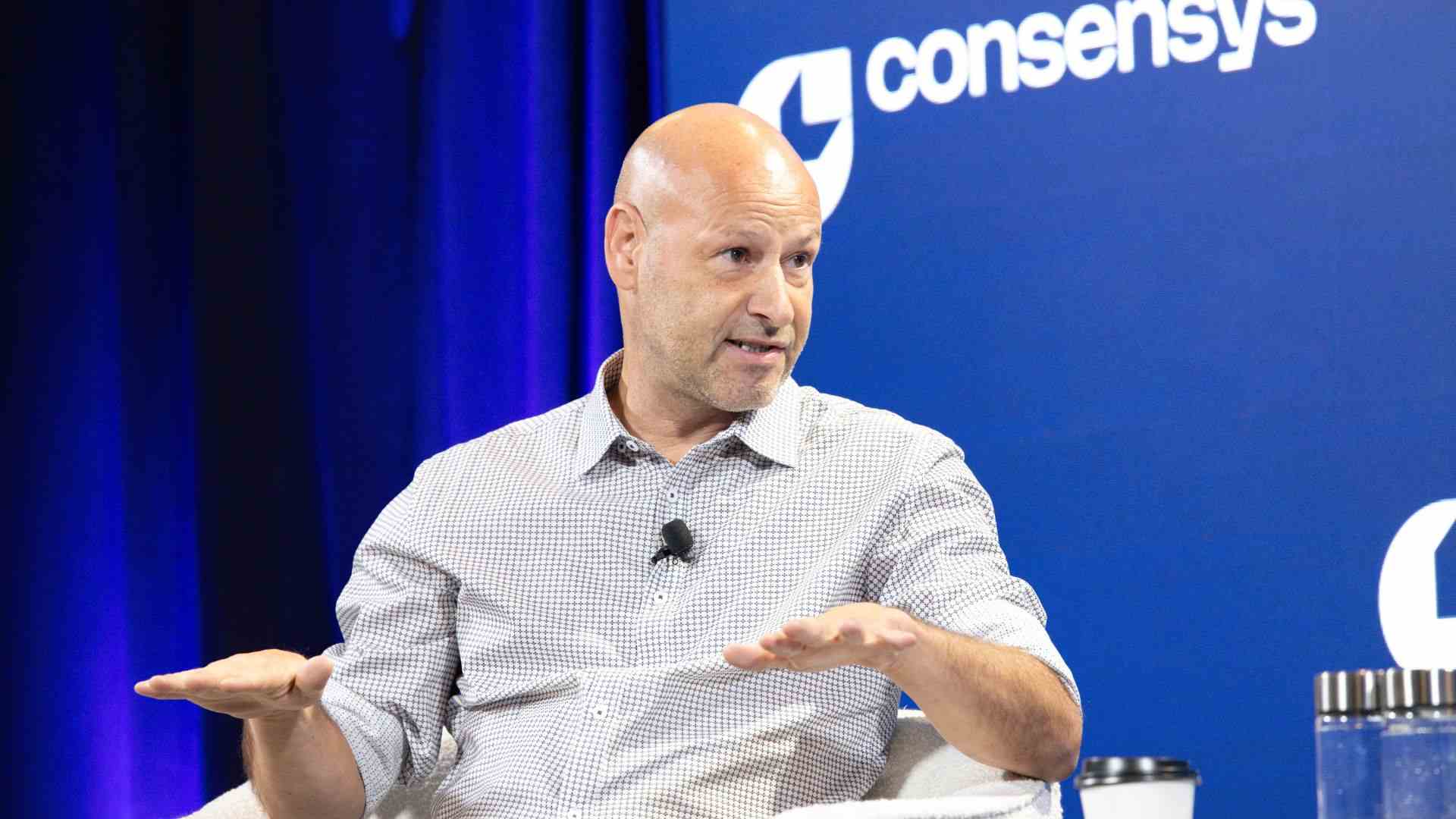 | | | | Web3 software company Consensys recently convened leaders in D.C. to discuss a bipartisan approach to crypto. - Consensys CEO Joseph Lubin warned: Squandering the Web3 opportunity would be "terrible for innovators in this ecosystem and in this country."
Watch the video and read the takeaways. | | | | This newsletter was edited by Pete Gannon and copy edited by Carolyn DiPaolo. 🧐 In that DPRK story, CoinDesk was able to trace blockchain payments from workers to North Korean wallets. With facts in hand, it was hard for companies to refuse to talk to them. —Brady |  | | Dive deeper into crypto funding | | | |


0 comentários:
Postar um comentário