India is likely to remain the world's fastest growing major economy despite the recent slowdown. But a growth rate around 6.5% for the year falls short of the aspirational 8% growth that many economists believe is needed to push up per capita incomes and make sure job growth keeps pace with India's rising population.
Some economists and policymakers have argued that keeping rates high to stamp out food price-driven inflation, which is little affected by rates, will hurt the country's growth outlook.
JR Varma, a dissenting voice on the monetary panel until he was replaced in a rejig in October, warned at the August policy meeting that India's overly restrictive monetary policy could amount to an unacceptable sacrifice of economic growth. He had been voting for a rate cut since February.
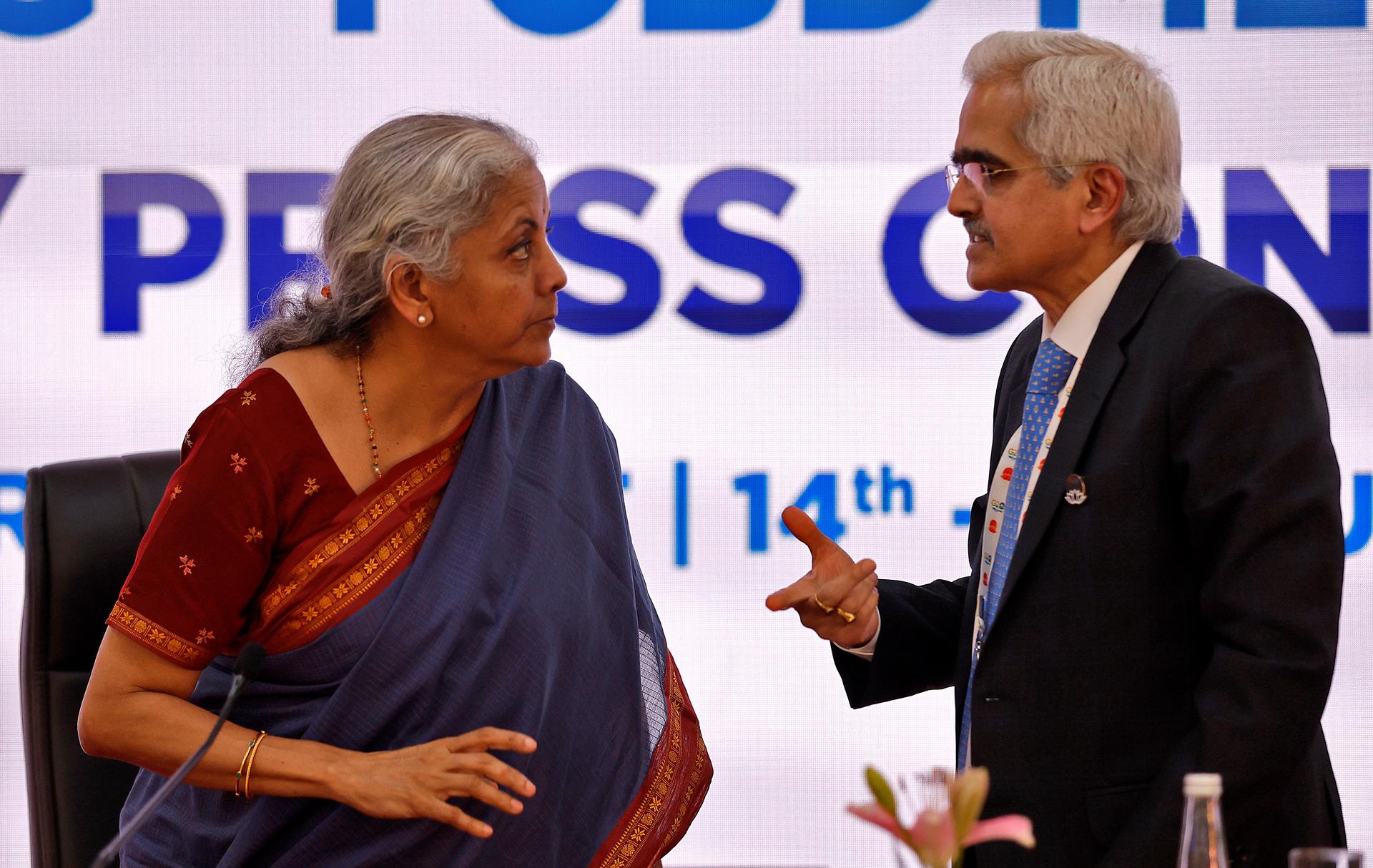
More recently, federal finance minister Nirmala Sitharaman and trade minister Piyush Goyal have publicly called for lower interest rates. Other government officials have flagged risks to growth from a credit squeeze should the central bank proceed with planned regulatory changes intended to forestall a rise in bad loans and protect banks from sudden deposit outflows.
Bank credit growth has been slowing in recent months and slipped to 12.8% in October compared with more than 15% a year ago, data released on Friday showed.
Economists are now calling for action.
ANZ and IDFC First Bank are among those who say a rate cut should be considered this week given that inflation, excluding vegetables, remains in check.
Others, including HSBC, Deutsche Bank, Citibank and Axis Bank, say the central bank can start easing monetary conditions by first cutting the cash reserve ratio for banks, followed by interest rate cuts once headline inflation declines to more comfortable levels.
Will the central bank cut interest rates, or perhaps banks' cash reserve ratio, this week? Write to me with your views at ira.dugal@thomsonreuters.com.







0 comentários:
Postar um comentário