When the power suddenly shut off for tens of millions of people across Spain and Portugal on Monday, many faced a series of unexpected conundrums.
To figure out what was going on – and learn whether the outage was limited to their building, street, or something much bigger – some turned to their phones, only to realise that the networks were down. With no access to TV or the internet, there was soon a rush to buy battery-powered analogue radios, but even this was not simple. With digital payment systems down, the only way to pay for them was with cash, and the only way to get cash was through cash machines – which were also out of order.
It was a confusing and chaotic demonstration of just how utterly dependent we have become on the electricity grid. Beyond the breakdown in access to information and electronic payments, other critical infrastructure also collapsed. Entire industries seized up as factories and supply chains were forced to shut down operations, schools and universities closed, and transport systems stopped working as planes were grounded, trains were stranded and even traffic lights failed to function.
Some clean energy detractors attempted to falsely blame it on Spain's reliance on renewables. But the country has one of the most enviable energy mixes in the world: on Monday, before the outage hit, Spain was running on 75 per cent wind and solar and 11 per cent nuclear. The issue appears to be a result of network connectivity issues, and nothing to do with clean energy. What clean energy can offer, is a solution.
Recent breakthroughs in renewable technology mean we are finally realising the vast potential of solar energy on a commercial scale, and could be on the cusp of transforming our homes into fully self-sufficient power stations.
These technologies come in the form of products that are already widely available, like home-installed battery packs that can store days' worth of energy, and roof-mounted solar panels that can charge them.
There are also emerging technologies that could allow all parts of a building touched by the Sun to generate power. Researchers are already exploring ways to use wonder materials like perovskite and quantum dots to create spray-on solar cells that could be used to paint a building. New efficiency records have also recently been achieved for photovoltaic windows, which allow windows and glass facades to be used for energy production.
By some estimates, the Sun beams enough energy to Earth in just one hour to power the whole planet for an entire year. These advances mean that everyone may soon benefit from this enormous potential, turning the concept of living off-grid from an alternative lifestyle choice, to a cheap and sustainable way of living that safeguards against blackouts.
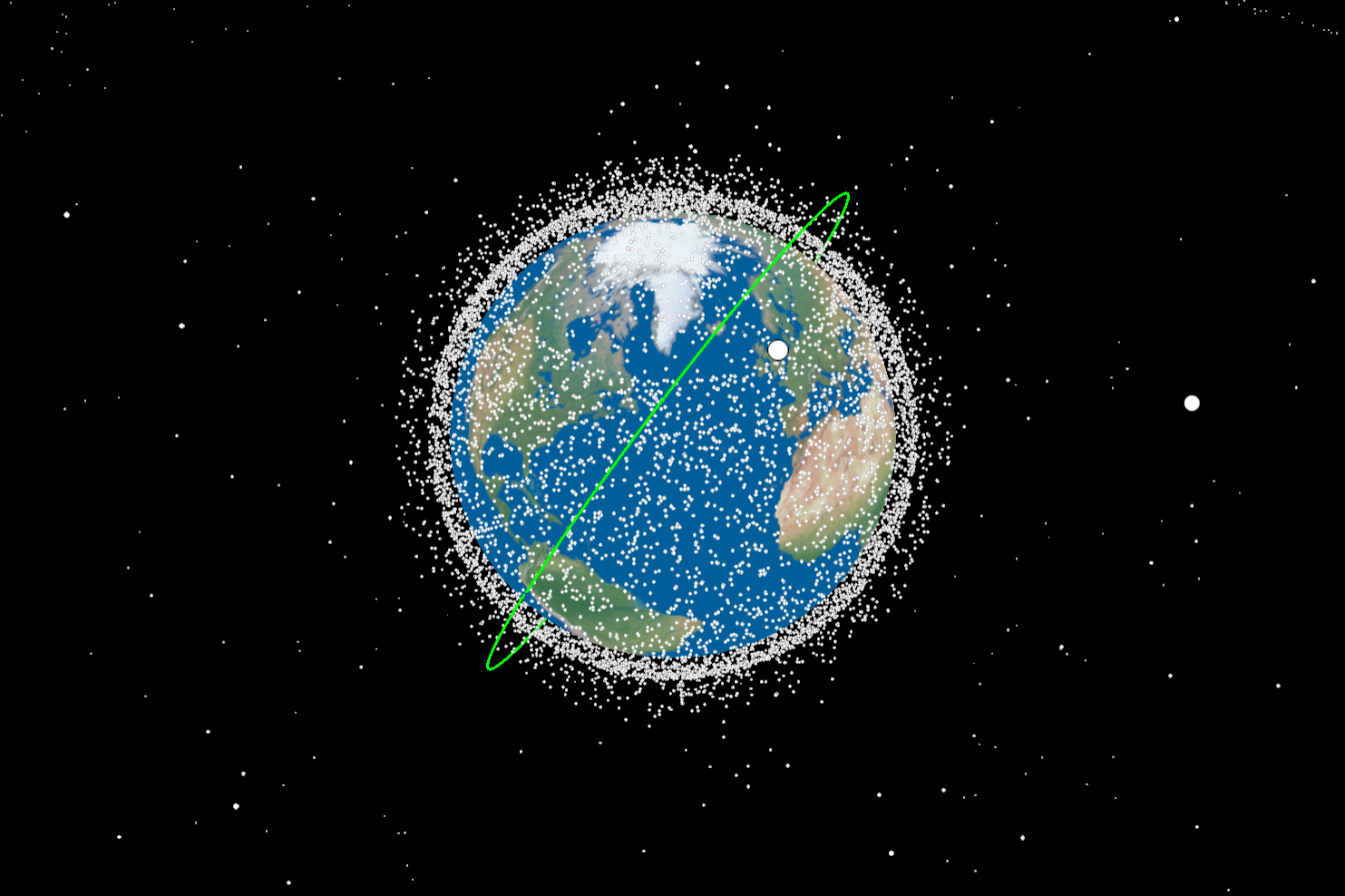
Combined with other relatively new technologies, like space-based internet services from Starlink, Eutelsat and Amazon's newly-launched Kuiper, it will be possible to be nearly entirely self reliant.
And while implementing these solutions might not support everything when the grid goes down, it can do enough to sustain the basic requirements for a functioning household and society. And people won't need to be scrambling for radios.















0 comentários:
Postar um comentário