Greetings from London! Some in the auto industry may have their fingers crossed today that President Donald Trump will declare his 25% "Liberation Day" auto tariffs an April Fool's Day gag. But so far there is no sign that this time the president intends to back off his tariffs, even though anticipated car price increases could end up disproportionately impacting autoworkers and his working-class voters. Uttering words that would be damaging to any conventional politician, Trump told NBC News at the weekend he "couldn't care less" if automakers do raise prices. However, consumers are likely to care greatly if 25% tariffs add $3,000 to the cost of a U.S.-made vehicle and $6,000 to vehicles made in Canada or Mexico, as projected by Cox Automotive group. Which brings us to today's Auto File… |
|
|
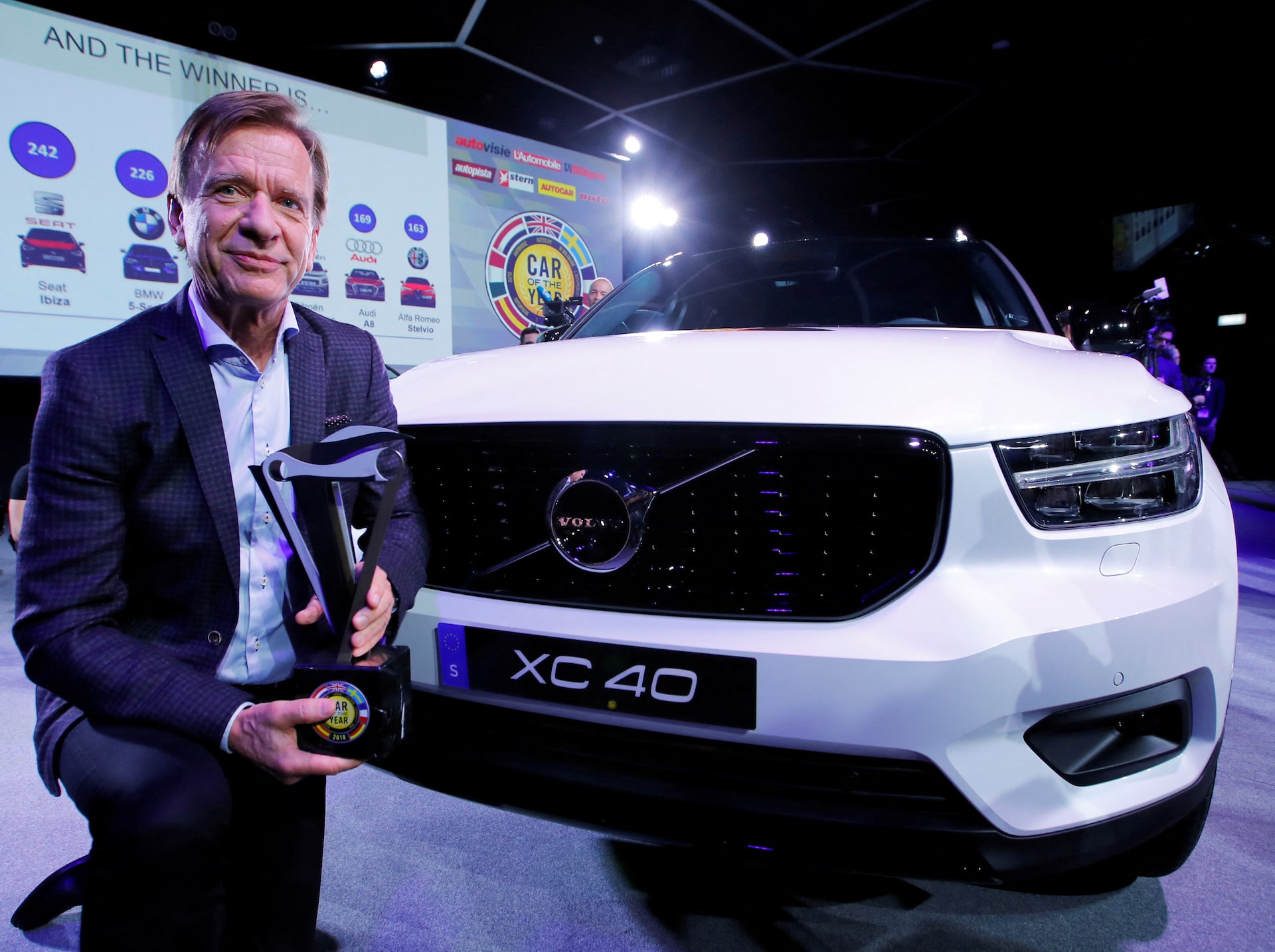
Hakan Samuelsson, back by popular demand — REUTERS/Denis Balibouse |
Volvo's oldies but goldies |
Volvo surprised investors at the weekend by bringing back former septuagenarian CEO Hakan Samuelsson as the automaker faces a tough time with Trump's tariffs and has already had to back off its ambitious target for going all electric by 2030. Samuelsson ran Volvo for a decade from 2012 to 2022 and is seen by analysts and investors as a safe pair of hands to steer the Swedish company through turbulent times. Volvo is one of the most exposed of Europe's automakers to tariffs on U.S. imports and Samuelsson has experience of dealing with the first Trump administration. Chinese majority owner Geely is also trudging its way through a reorganization of its sprawling portfolio that has already seen the company replace Polestar's CEO, also with a veteran auto executive. Geely chairman Li Shufu is also under pressure from investors unhappy that as chairman of Volvo he has attended very few board meetings. He will attend his first ever Volvo annual shareholders' meeting this week, where proxy advisors have recommended against reappointing him to the board. Samuelsson's return seems like a way to mollify investors on a number of levels. |
|
|
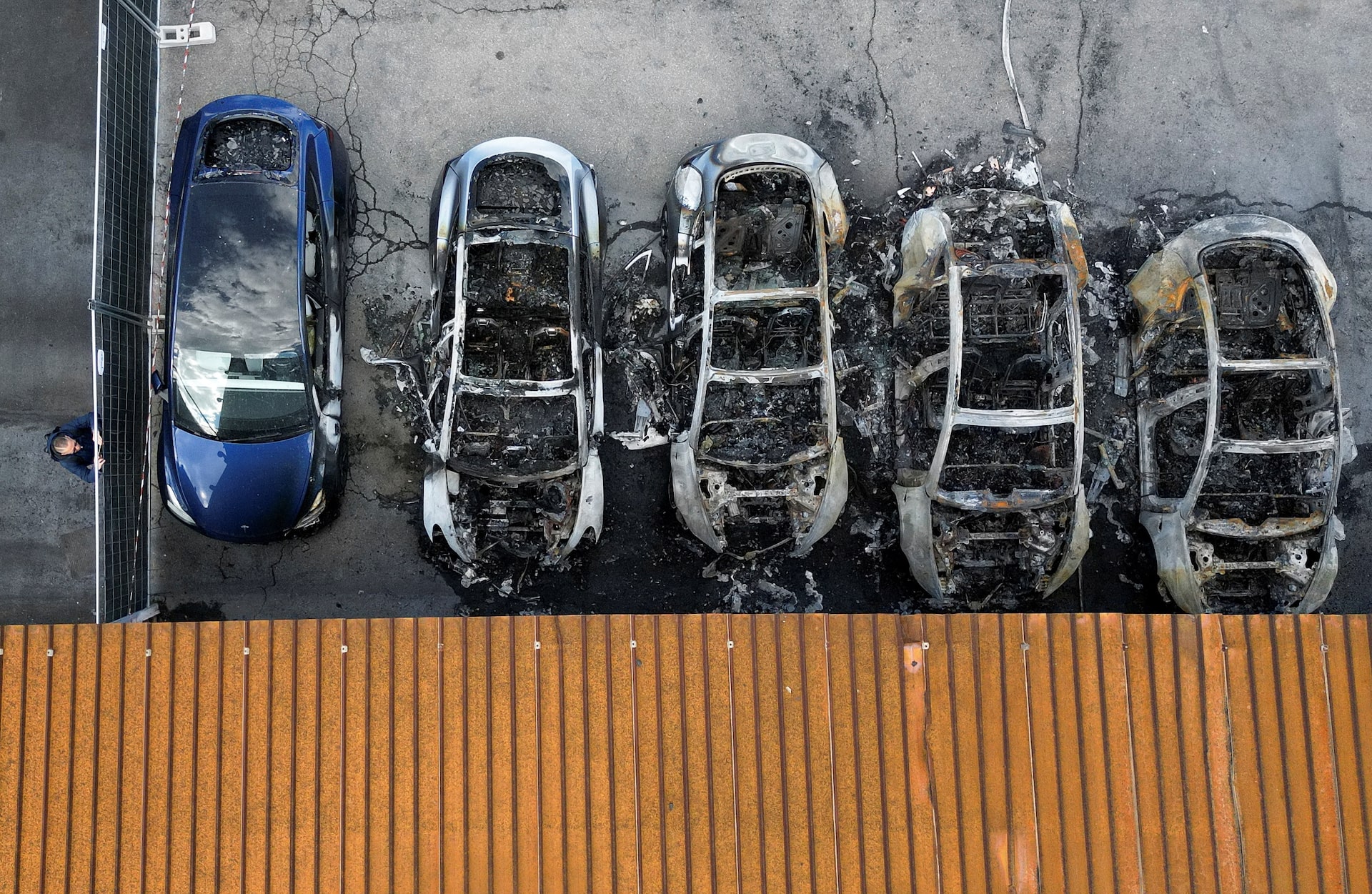
Teslas destroyed by fire in Rome - REUTERS/Yara Nardi |
No burning desire for Teslas in Europe |
Tesla will report global first-quarter deliveries tomorrow and the forecasts are for a poor showing from the EV maker Elon Musk runs. After a disastrous showing in Europe in January and February, the data from the earliest countries to report auto sales show continuing pain for Tesla. In France and Sweden, for instance, Tesla's first-quarter sales fell to the lowest level since 2021. Tesla cars have become targets for vandalism across several countries in response to Musk's right-wing activism and 17 cars were destroyed by an overnight fire at a dealership in Rome at the weekend – which Musk decried as an act of terrorism. While lauding Musk as a genius, the founder of Italy's Tesla owner's club said: "'We'd all be happy of course if Musk just went back to being CEO." That is a sentiment many of Tesla's shareholders could identify with. The automaker has a lot riding on its revamped Model Y, but Wednesday's delivery numbers will likely show Tesla has a deep hole to dig itself out of. |
|
|
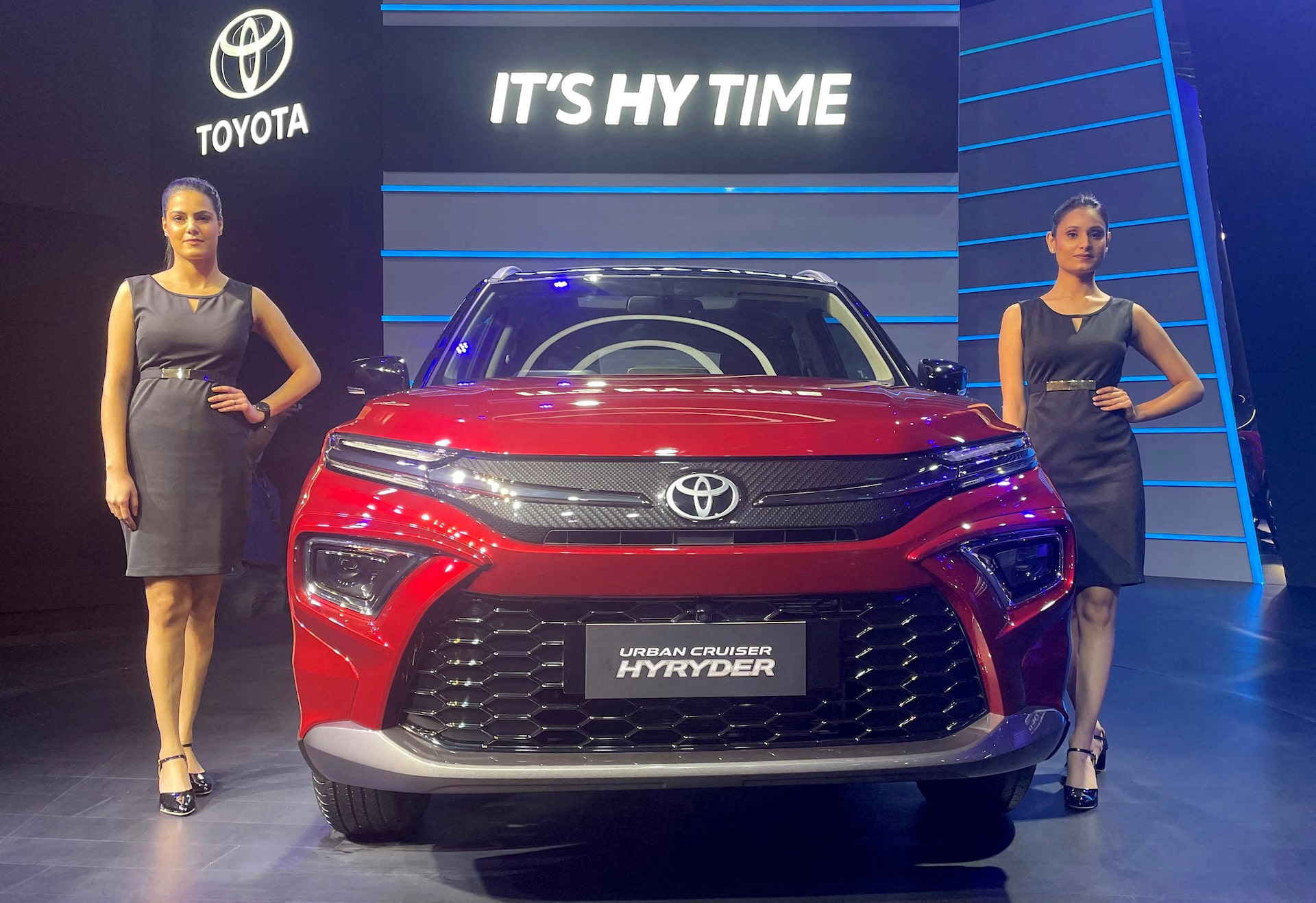
A Toyota hybrid, coming slowly to a dealer near you - REUTERS/Aditi Shah |
Toyota's hybrid delivery delays |
Toyota has a problem with hybrid cars, though possibly not one you would expect. As my Reuters colleagues Aditi Shah and Norihiko Shirouzu report, soaring demand for Toyota's gasoline-electric hybrids has left suppliers struggling to keep up. You can read about it here. This has led to parts shortages and months-long waits for car buyers, according to sources. Stocks of hybrids are low at Toyota dealers across major markets, including the U.S., Japan, China and Europe, sources tell Reuters. The surge in demand presents a challenge for Toyota, the dominant player in hybrids. But it also vindicates the Japanese automaker's bet on this technology while its rivals' major investments in battery electric vehicles have been upended by mixed demand for EVs. |
|
|
Kia shows Georgia some love |
Kia will produce hybrid vehicles at its affiliate Hyundai' new U.S. factory in Georgia starting in mid-2026 as it seeks to meet growing demand and find ways to avoid Trump's auto tariffs. Hyundai - the world's No. 3 automaker when including Kia Motors, in which it owns a 35% stake - broke ground on its fully-electric car factory in Georgia in 2022 to take advantage of President Joe Biden's EV-friendly policies. Amid softening U.S. demand for EVs and Trump administration threats to end electric car subsidies, Hyundai will add hybrids to the factory's production lines. Kia vehicles will represent 40% of the Georgia facility's total production, Kia CEO Song Ho-sung told reporters during an opening ceremony at the factory. |
|
|
Tesla will launch sales in Saudi Arabia in April, signalling CEO Elon Musk and the kingdom have healed a rift dating back to the billionaire's short-lived bid in 2018 to take the company private. Chinese automaker BYD has signed a car parts distribution deal with Italian company Intergea as part of its strategy to boost its presence in a key European market. Stellantis' Chinese partner Leapmotor will roll out vehicles equipped with its smart-driving technologies in Europe next year, the company's senior vice president said. Toyota's global production rose for the second consecutive month in February, driven by higher output and stronger sales in Japan. Chinese battery giant CATL received approval from China's securities regulator for a share sale in Hong Kong that sources have said could raise at least $5 billion. Think your friend or colleague should know about us? Forward this newsletter to them. They can also subscribe here. |
|
|
Auto File is sent weekly. Think your friend or colleague should know about us? Forward this newsletter to them. They can also sign up here. Want to stop receiving this email? Unsubscribe here. To manage which newsletters you're signed up for, click here. Terms & Conditions and Privacy Statement |
|
|
|






0 comentários:
Postar um comentário