

Why the 50mm Lens Still Dominates My Pro Kit After 35 YearsBefore you buy anything else, master this one piece of glass. See the real impact of the 50mm through my favorite images.
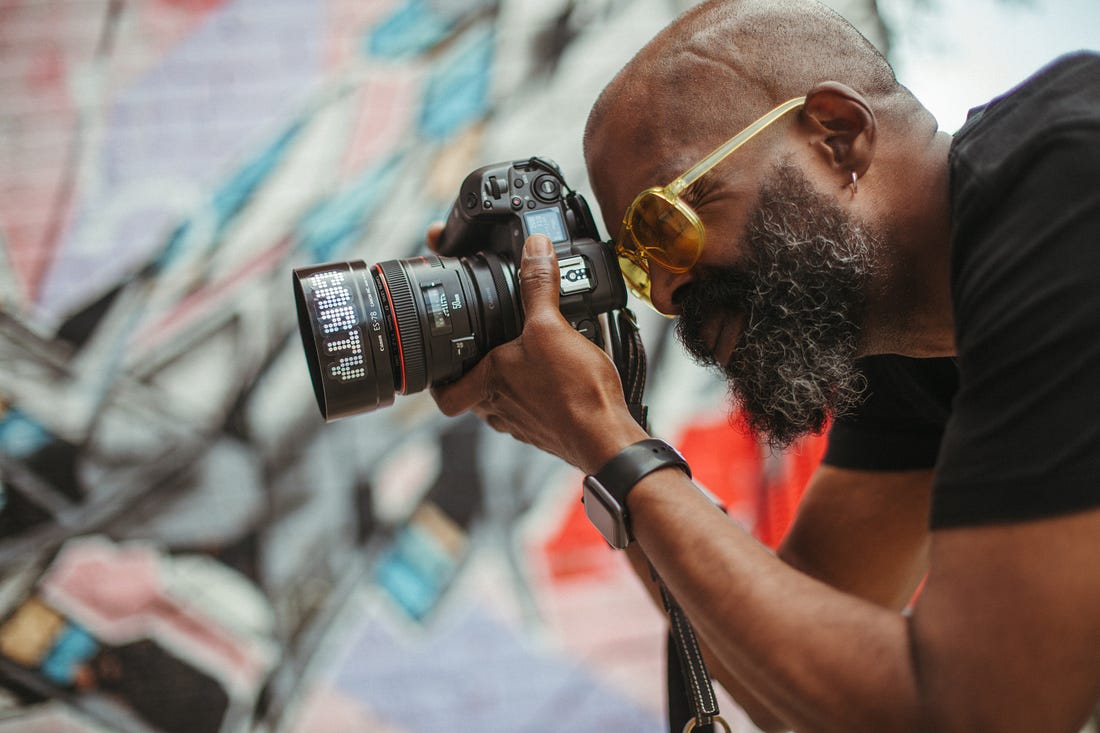
With seven lenses in my bag, the 50mm stands out for its versatility and image quality. Having shot for clients like Nike and Apple, this lens has been a foundational tool in delivering work that consistently exceeds expectations. By the end of this post, you’ll understand why the 50mm should be your first lens, how it will sharpen your skills as a photographer, and why it continues to be one of the most important lenses in my professional kit. I’ll cover its unique features, why it’s so versatile, and how to make the most out of it in your own work. I’ll start by discussing the technical aspects of the 50mm, why it’s great for achieving sharp images, and how it simplifies your workflow. Then, I’ll dive into how it helps you master composition and understand depth of field. Finally, I’ll explain some important considerations when using this lens, including why I don't always recommend shooting wide open.
Nifty Fifty: The Foundation of PhotographyThe 50mm lens is often referred to as the "nifty fifty," and it’s not just hype—it's the foundation of photography. If I had to pick one lens for both beginner and professional photographers alike, this would be it. It’s not just a piece of gear; it’s a tool that teaches you the essence of what it means to make pictures. I own eight lenses, but I use the 50mm almost 50% of the time. Let me break down why this lens should be the first investment for any photographer, and why it's so critical to your growth as a visual storyteller.
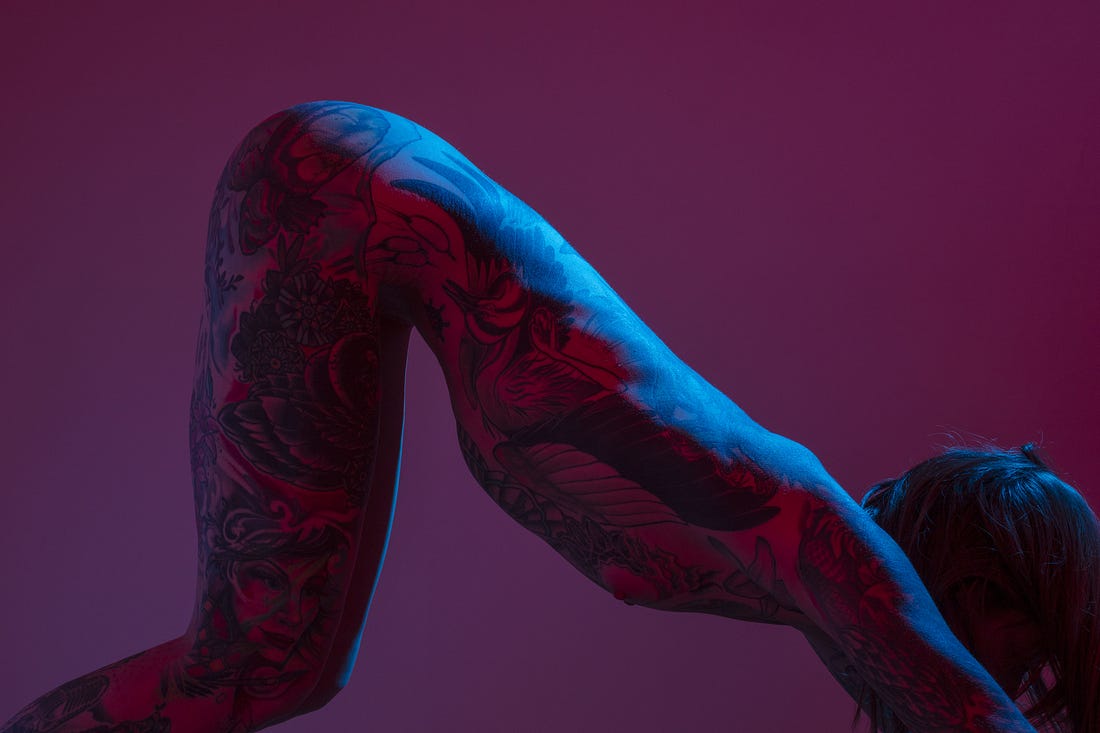
True Depth of Field and Subject IsolationOne of the most remarkable things about a 50mm lens is the ability to produce true depth of field, allowing you to isolate your subject with that beautiful, creamy bokeh everyone loves. Whether you're closer to wide open, this lens gives you a cinematic feel. It simplifies the scene, forcing you to think about how you compose and what you want in focus. This kind of control over depth of field is invaluable for any photographer looking to elevate their work, and you won't find it as naturally in most kit lenses or zooms.
Minimal Elements: Simplicity at Its BestThe 50mm is a prime lens, meaning it has a fixed focal length and fewer elements inside the lens. This translates to sharper images with less distortion. Without the complexity of zoom mechanisms or extra glass to manipulate light, the 50mm produces tack-sharp results, even at wider apertures. You’ll notice that the images feel more true-to-life, less burdened by the compromises found in zoom lenses. This simplicity allows you to focus on creating compelling compositions without being bogged down by technical limitations.
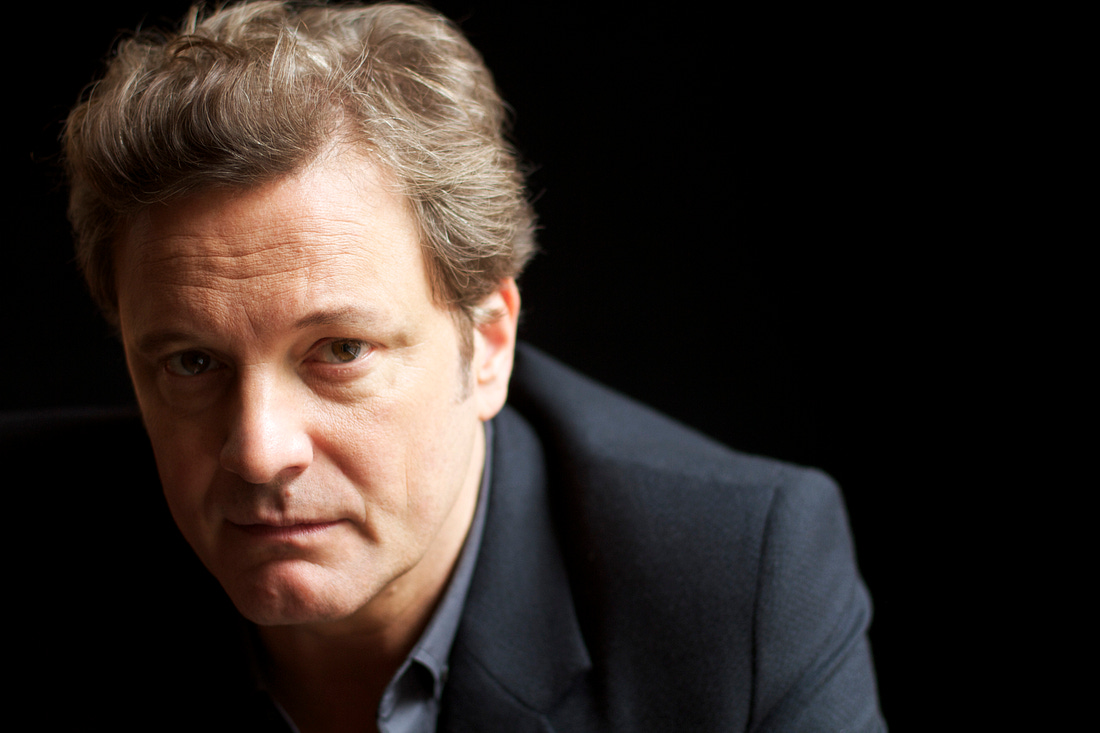
Tack Sharp and Unmatched Image QualityWhen I say tack sharp, I mean it. The 50mm consistently delivers high-quality, crisp images across its aperture range. Whether you're shooting portraits, street photography, or even landscapes, you’ll find the details are incredibly well-resolved. This sharpness becomes essential when you start working professionally. Clients will notice—and so will you—the difference in quality when your images pop right off the screen or print.
Lightweight and Portable: No ExcusesAnother major benefit is how light and small the 50mm is. Compared to zoom lenses or telephoto primes, this lens is featherweight. You can carry it around all day without feeling fatigued. The portability of this lens makes it perfect for street photography, event coverage, or spontaneous portraits. It removes the physical burden of lugging around a heavy kit and allows you to focus purely on your craft. No more excuses about being weighed down by gear.
A 50mm Forces You to Become a Better PhotographerOne of the biggest reasons I advocate for the 50mm lens is that it forces you to become a better photographer. Unlike a zoom lens that allows you to stand still and change your framing by zooming in and out, the fixed focal length of the 50mm requires you to move around. This makes you more intentional with your composition. Zooms can make you lazy because they remove the need to physically engage with your environment. With a 50mm, you have to think critically about where you’re standing, how the elements in your frame interact, and how you position yourself relative to the subject. This process trains your eye and helps you develop stronger compositions over time.
Versatility: The One Lens for EverythingWhether you're shooting portraits, street, editorial, or even product photography, the 50mm performs across the board. Its field of view is often referred to as being close to what the human eye naturally sees, making it incredibly versatile. The 50mm is wide enough to capture environmental context but tight enough to isolate a subject when needed. This balance is why it’s often considered the most versatile lens out there, and why I trust it for so many of my assignments.
A Lens That Grows with YouThe beauty of the 50mm lens is that it grows with you as a photographer. It’s not just a lens you start with and then outgrow. Instead, it’s a tool that continues to challenge and evolve with you. Early on, it helps you understand basic composition and depth of field. But as your skills grow, the 50mm continues to push you toward more creative and intentional decisions. It becomes the cornerstone of your kit, one that you’ll find yourself coming back to, no matter how many other lenses you acquire. Even as I’ve added more specialized lenses to my kit, the 50mm remains a go-to for its versatility and simplicity.
Why I Use It 50% of the TimeWith eight lenses in my arsenal, the 50mm still gets used about half of the time. It offers so much in terms of versatility, simplicity, and image quality that it feels like a no-brainer for most shoots. Whether I’m shooting high-end clients or working on personal projects, I can rely on the 50mm to deliver. That’s the kind of trust you want in a lens when you're building your business or working your way up in the industry.
Caution: Shooting Wide Open Isn't Always IdealNow, I know what you're thinking—what about shooting wide open to get that beautiful shallow depth of field? While it’s true that the 50mm can give you that dreamy bokeh at f1/1.2. f/1.4 or f/1.8, I actually don’t recommend shooting wide open at all. Here’s why: when you open up the aperture that much, you’re working with an incredibly shallow depth of field. It can be really easy to miss focus, especially when shooting people. You might get one eye tack sharp and the other eye completely soft, which can kill an otherwise amazing image. That super shallow depth of field is tempting, but it's not always practical. You need to be extremely precise with your focus points and account for any movement in your subject. I’m going to cover this more in-depth in another video, where we’ll talk about when it makes sense to shoot wide open and how to avoid these common issues. But for now, just remember: you don’t always need to shoot at f/1.4 to get stunning results. Sometimes stopping down to f/2.8 or f/4 will give you more control and sharper images, while still maintaining that beautiful background blur.
It’s The Foundation of Your KitIn the end, the 50mm is more than just a lens—it’s an educational tool and a workhorse that will serve you well throughout your career. From its minimal elements and tack-sharp images to its portability and versatility, this lens will shape how you see and capture the world. If you’re serious about taking your photography to the next level, the 50mm should be your first lens. It's not only the foundation of photography, but it’s also the foundation of a successful photography business. If you want a step-by-step system for building your client pipeline, dialing in your offer, packaging your work, and making photography your full-time career, My Professional Photographers Accelerator starts again for the 3rd round June 22nd, 2025. Applications are due Next Saturday June 7th. » » » Get all the info you need here See you next Saturday.
Get help with your photography business »»» TheCartyMethod.com Find my work at »»» SteveCarty.com You’re currently a free subscriber to Carty’s Substack. To see the archives, consider upgrading your subscription for just $5/month.
|
Why the 50mm Lens Still Dominates My Pro Kit After 35 Years

















Assinar:
Postar comentários (Atom)
0 comentários:
Postar um comentário