Greetings,
The competition to unseat Nvidia is fierce, and a lot is riding on the companies trying to do it. Groq, a richly funded chip startup trying to take on Nvidia, is one of those companies. Miles Kruppa, Cory Weinberg, and Anissa Gardizy's reporting details a recent shift in the company's financial outlook that stood out this week.
The company told investors early this year that it was on track for more than $2 billion in revenue for 2025. Within the past month, the number it gave to investors has fallen to more than $500 million. While a company spokesperson attributed the shift to a lack of data center capacity, the change highlights the challenges in securing the infrastructure needed to fulfill major deals, particularly in a high-growth market like AI.
Why it caught my eye:
- Groq has talked to investors about raising up to $500 million at a $6 billion valuation.
- This situation points to a larger, industry-wide issue: the difficulty other chip and cloud providers face in securing data center capacity to keep up with the growing needs of AI development.
- The company has raised more than $1 billion but is nonetheless growing quickly and winning customers by offering a combination of fast speeds and cheap prices.
This article gets at the heart of the challenges facing companies trying to compete with Nvidia, and it's a crucial read for understanding the implications for the company's investors and the broader market.
Best,
Jessica Lessin
Founder & Editor-in-Chief
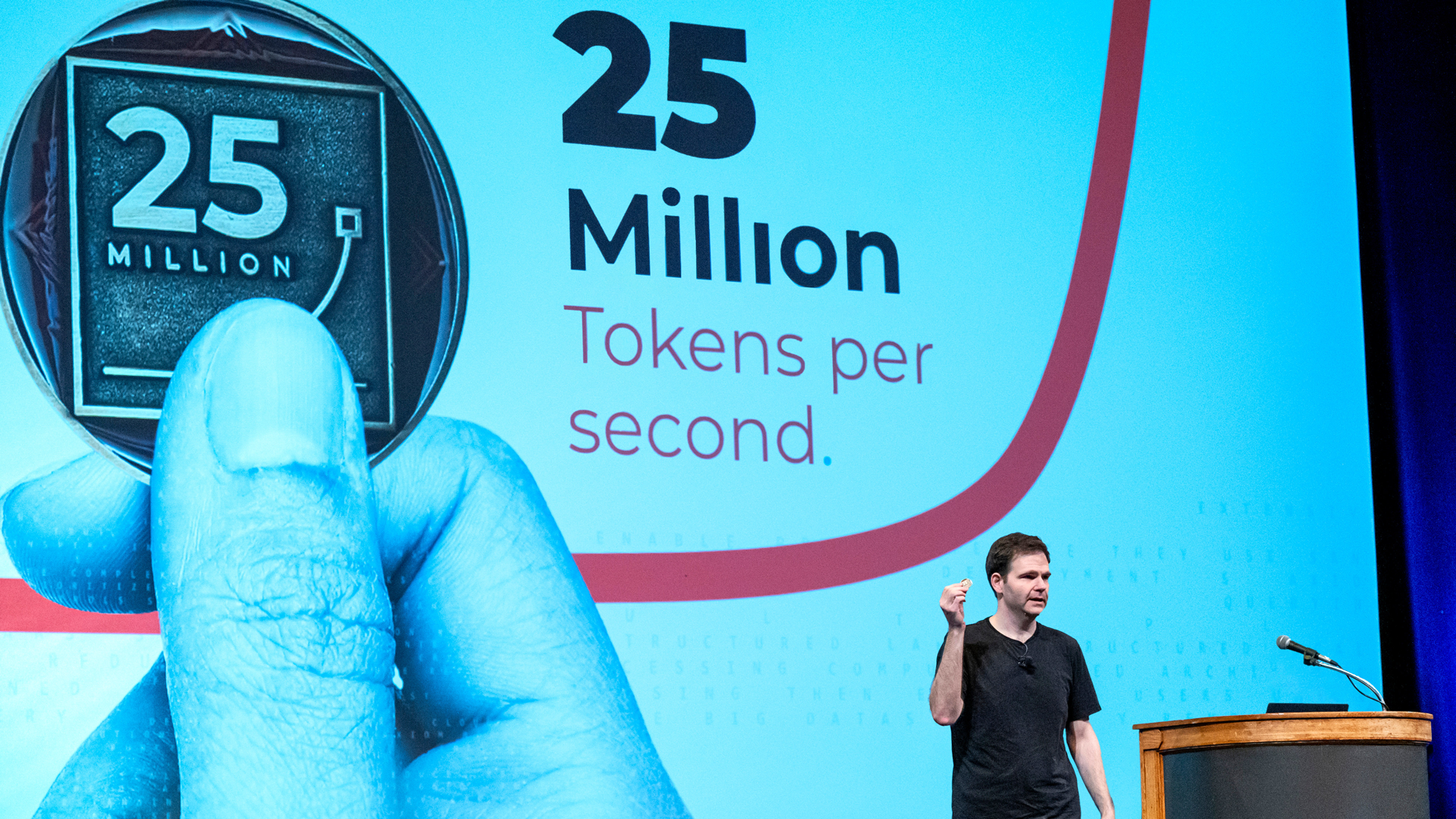
Groq, a richly funded chip startup trying to take on Nvidia, told investors early this year it was on track to have more than $2 billion in revenue for 2025. Within the past month, the number it gave to investors has fallen to more than $500 million, according to documents viewed by The Information.
Groq's $2 billion projection came around the time it inked a $1.5 billion deal with Saudi Arabia to expand its business there. A Groq executive in an interview this month initially said both revenue numbers were inaccurate. "I think you're misinformed," said Sundeep Madra, the company's chief operating officer. "The numbers are wrong."








0 comentários:
Postar um comentário