Hello, Tragedy has struck Afghanistan this week as the nation experienced its worst earthquake in years that has killed over 1,100, leaving thousands more injured. At least 1,124 people have died, 3,251 have been injured and over 8,000 houses have been destroyed, said the Afghan Red Crescent Society, a humanitarian group working in the region, adding that more people are feared trapped under rubble. The U.N. coordinator in Afghanistan said the toll was likely to rise. Tremors were also felt in other South Asian countries, including neighboring Pakistan and India. Pakistan is still reeling from the floods in the Punjab region which submerged 2,000 villages and left two million people affected. Meanwhile in Africa, a landslide in Sudan has killed over 1,000 people and left only one survivor in the Tarseen village in the mountainous Jebel Marra area. Also on my radar today: |
|
|
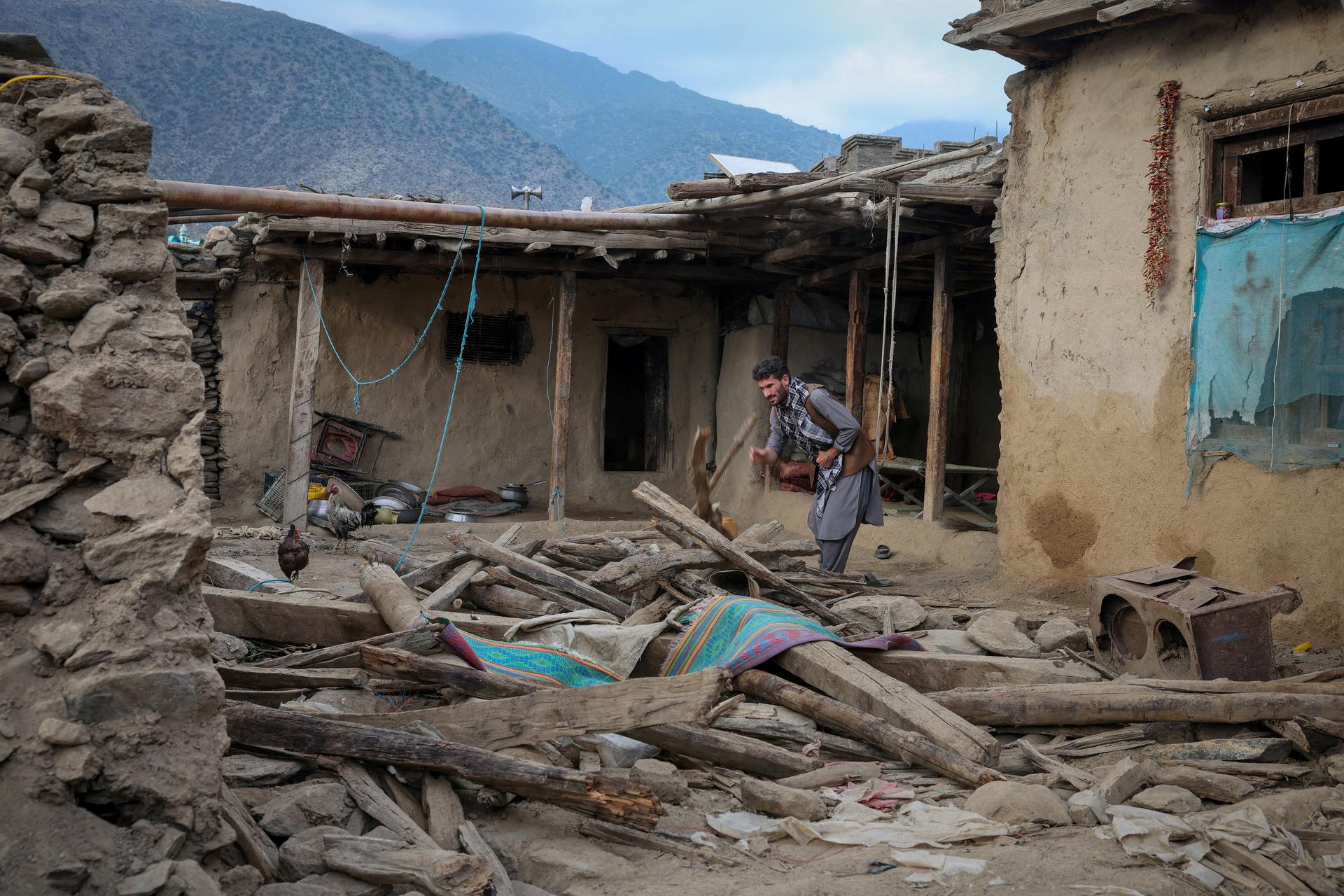
An Afghan man looks for his belongings amidst the rubble of a collapsed house after a deadly earthquake in Dara Noor, in Jalalabad, Afghanistan. REUTERS/Sayed Hassib |
The earthquake in Afghanistan, with a magnitude of 6, struck around midnight local time on Monday, at a shallow depth of 10 km (6 miles), with the eastern provinces of Kunar and Nangarhar worst hit. Three villages in Kunar were completely flattened, which alone recorded more than 600 deaths. Rescue operations were carried out in four badly hit villages in Kunar on Monday and efforts will now be focused on reaching more remote mountain areas, said Ehsanullah Ehsan, the provincial head of disaster management. The country is prone to devastating earthquakes and it experienced tremors with a magnitude of more than 5.0 on at least four occasions between April and August alone. Afghanistan is particularly vulnerable to earthquakes because of its location at the intersection of two major tectonic plates – the Indian plate and the Eurasian plate. Monday's earthquake, however, is the country's worst since June 2022, when a 6.0 magnitude quake killed more than 1,000 people. |
|
|
The rescue and relief work has struggled in the face of tight resources in the nation of 42 million people and limited global help in the aftermath of the tragedy. Where in the past a helicopter would have taken health teams and supplies to remote villages only accessible by foot, funding cuts to the World Food Programme, which runs a humanitarian air service, put the aircraft out of commission earlier this year, said Kate Carey, deputy head of the U.N. Office for the Coordination of Humanitarian Affairs in Afghanistan. Crises elsewhere in the world, along with donor frustration over the Taliban's policies toward women and curbs on aid workers, have been a factor in funding cuts, according to diplomats and aid officials. So far, Britain has allocated 1 million pounds ($1.35 million) to support the efforts of the U.N. and the International Red Cross in delivering critical healthcare and emergency supplies. India delivered 1,000 tents and was moving 15 tonnes of food supplies to Kunar, with more relief materials to be sent on Tuesday. Other nations such as China, the United Arab Emirates, Pakistan and Iran, as well as the European Union, have pledged help but aid is yet to arrive. The Taliban has appealed for more aid in a country where half the population was already in need of urgent humanitarian assistance according to U.N. estimates. |
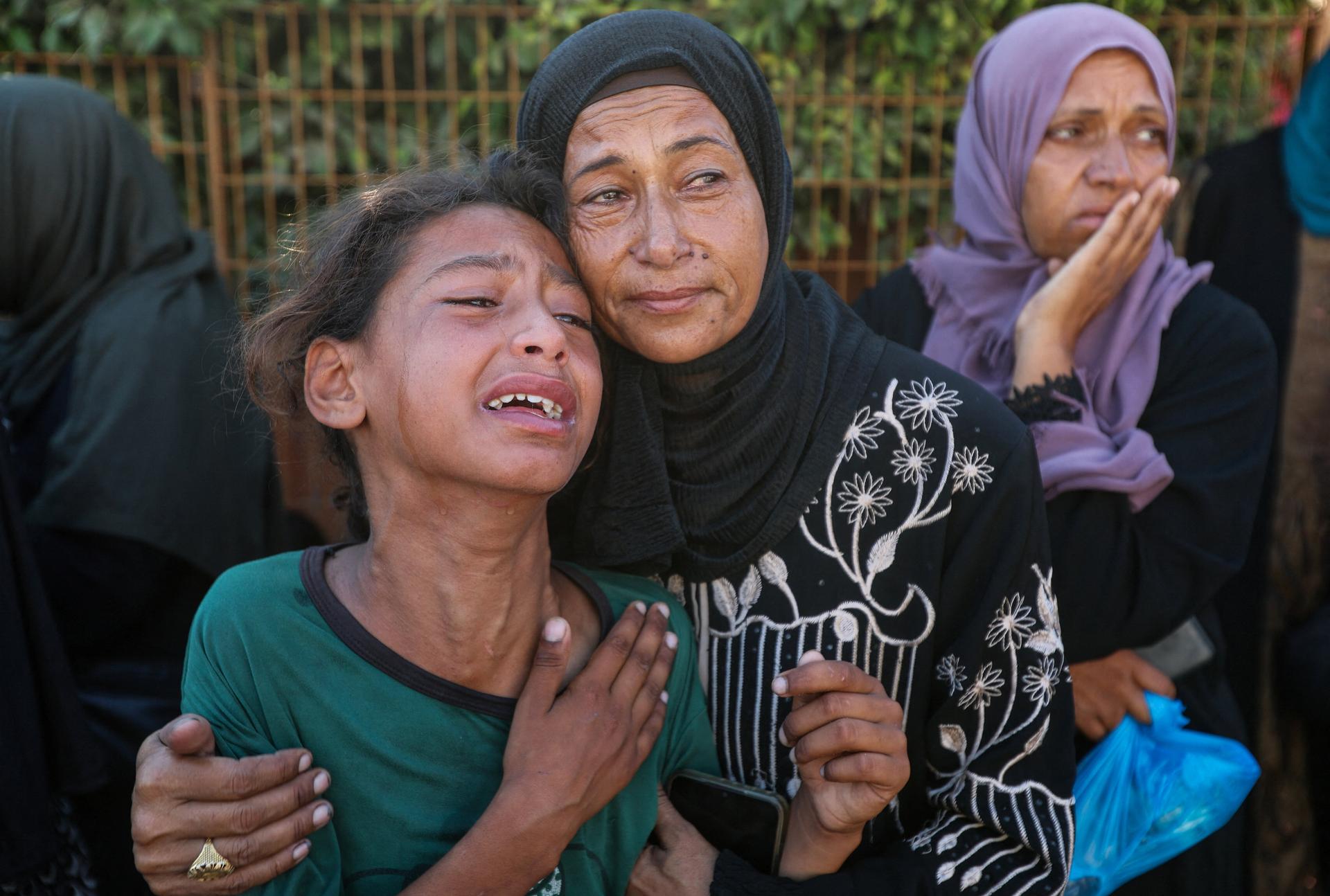
Mourners react during a funeral of Palestinians killed by Israeli fire while trying to receive aid, medics said. Nasser Hospital, Khan Younis, southern Gaza Strip. REUTERS/ Ramadan Abed |
- Gaza genocide: The world's leading genocide scholars' association has passed a resolution saying that the legal criteria has been met to establish Israel is committing genocide in Gaza under Article II of the United Nations Convention for the Prevention and Punishment of the Crime of Genocide (1948), its president Melanie O'Brien, a professor of international law, said.
- Climate and economy: Degraded land, polluted air and water stress pose a direct global economic threat but using natural resources more efficiently could cut pollution by half, said Axel van Trotsenburg, a senior managing director at the World Bank. The damage is particularly acute for low-income countries most at threat from poverty, climate change and biodiversity loss, Trotsenburg told Reuters.
- Europe wildfire cooperation: Spanish Prime Minister Pedro Sanchez said his government would coordinate a series of measures on climate change with neighboring countries France and Portugal in response to recent weather-related disasters, such as August's massive wildfires.
- Texas DEI/ESG law: U.S. District Judge Alan Albright issued preliminary injunctions against the Texas' Republican Attorney General Ken Paxton from enforcing a first-of-its-kind state law restricting Glass Lewis and ISS, two of the best-known proxy advisers, from advising shareholders on diversity, environmental and governance practices.
- U.S. EPA sackings: President Donald Trump's administration has fired some Environmental Protection Agency employees after they signed a letter critical of the administration's policies in late June, the EPA said. The development is likely to fuel concerns that the Trump administration does not tolerate dissent. Earlier this week, some employees at the Federal Emergency Management Agency were put on leave after they signed an open letter against the agency's leadership.
|
|
|
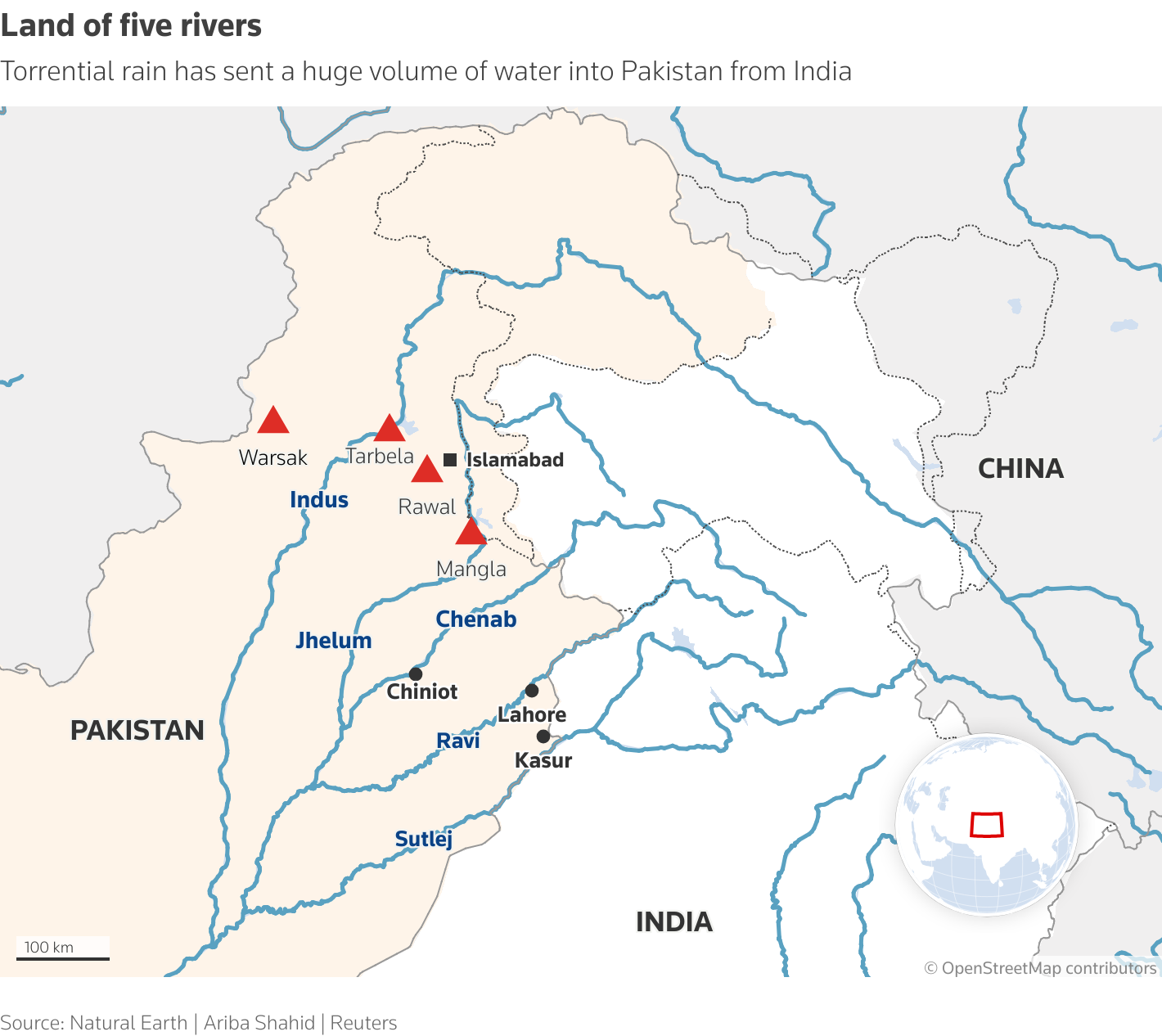
Natural disasters continue to affect Asia, where floodwaters from across the Indian border surged into Kasur village in eastern Pakistan this month. The two nations share rivers that were regulated for more than six decades under the Indus Waters Treaty. But that agreement was suspended by India earlier this year, following the shooting of 26 people by militants that New Delhi said were backed by Islamabad, which Pakistan denies. Then came the monsoon, and the rivers turned to flood. Click here to learn more. |
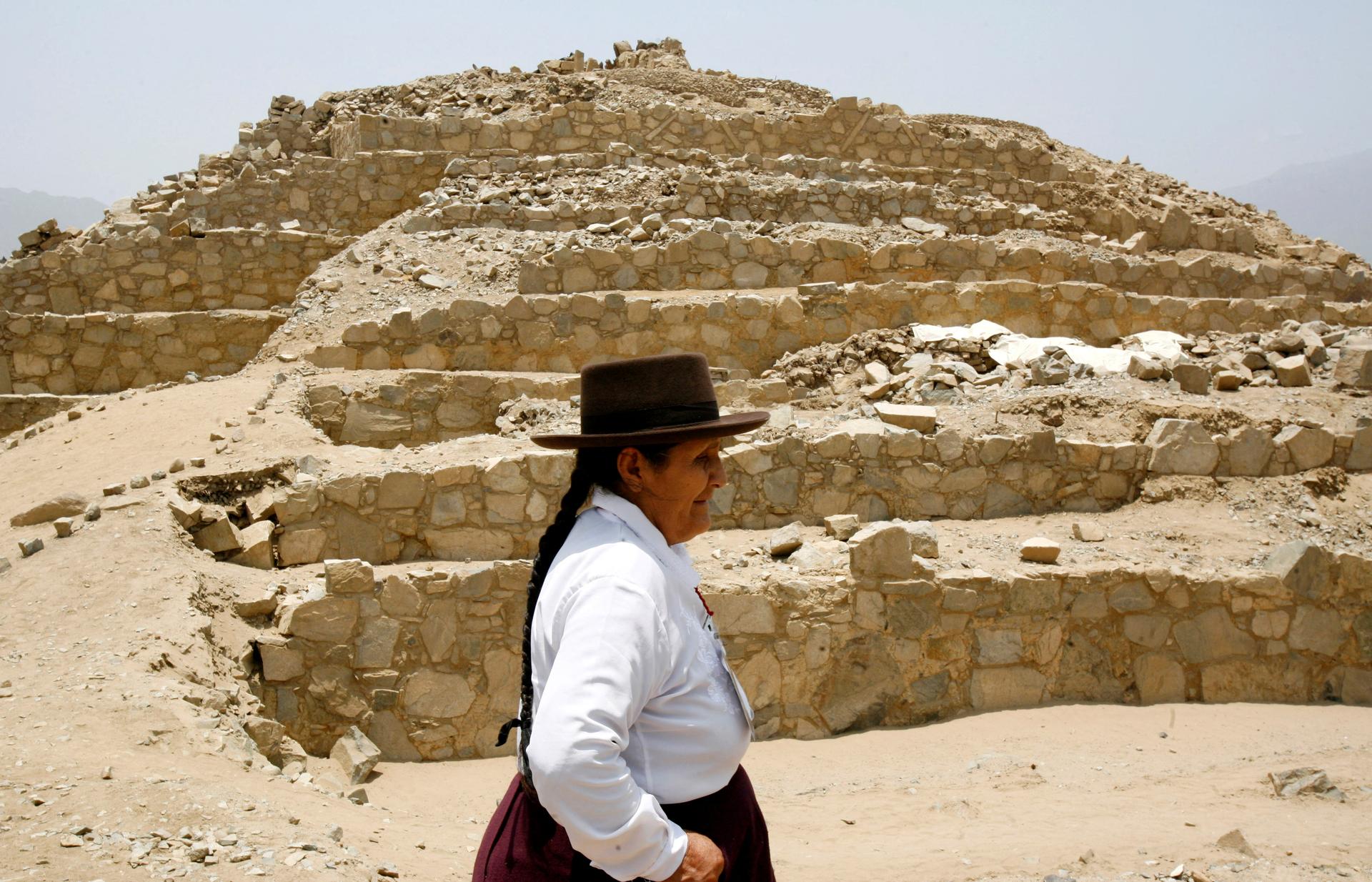
A tourist visits the ruins of the ancient desert city of Caral, 110 miles (177 km) north of Lima Peru. REUTERS/Mariana Bazo |
Today's spotlight looks at the lessons we can learn from the past as archaeologists in Peru discover an ancient city that lost its fight against climate change. A small sculpture of two toads, and other water-linked symbols found near the Peruvian city of Caral – once the oldest city on the American continent – have helped archaeologists confirm that an ancient civilization disappeared due to devastating climate change. Climate change, a long-term and large-scale shift in weather patterns, can have natural causes such as changes in solar activity or volcanic eruptions. Since the early 1800s, human activities have been its main drivers, scientists said in a 2016 study. |
|
|
Sustainable Switch was edited by Susan Fenton. |
|
|
Sustainable Switch is sent three times a week. Think your friend or colleague should know about us? Forward this newsletter to them. They can also sign up here. Want to stop receiving this email? Unsubscribe here. To manage which newsletters you're signed up for, click here. This email includes limited tracking for Reuters to understand whether you've engaged with its contents. For more information on how we process your personal information and your rights, please see our Privacy Statement. Terms & Conditions |
|
|
|






0 comentários:
Postar um comentário