You can replace this text by going to "Layout" and then "Page Elements" section. Edit " About "
Pague com LPs do Mister Colibri
Quer comprar celular,Tablet,pen drive, GPS e muito outros produtos e ainda podendo pagar tudo em LPs ?Pois saiba que isso é possível,basta você visitar o site downloadstotal.com e realizar a sua compra com toda tranquilidade e segurança!!!
Thanks for reading The Briefing, our nightly column where we break down the day's news. If you like what you see, I encourage you to subscribe to our reporting here.
Greetings!
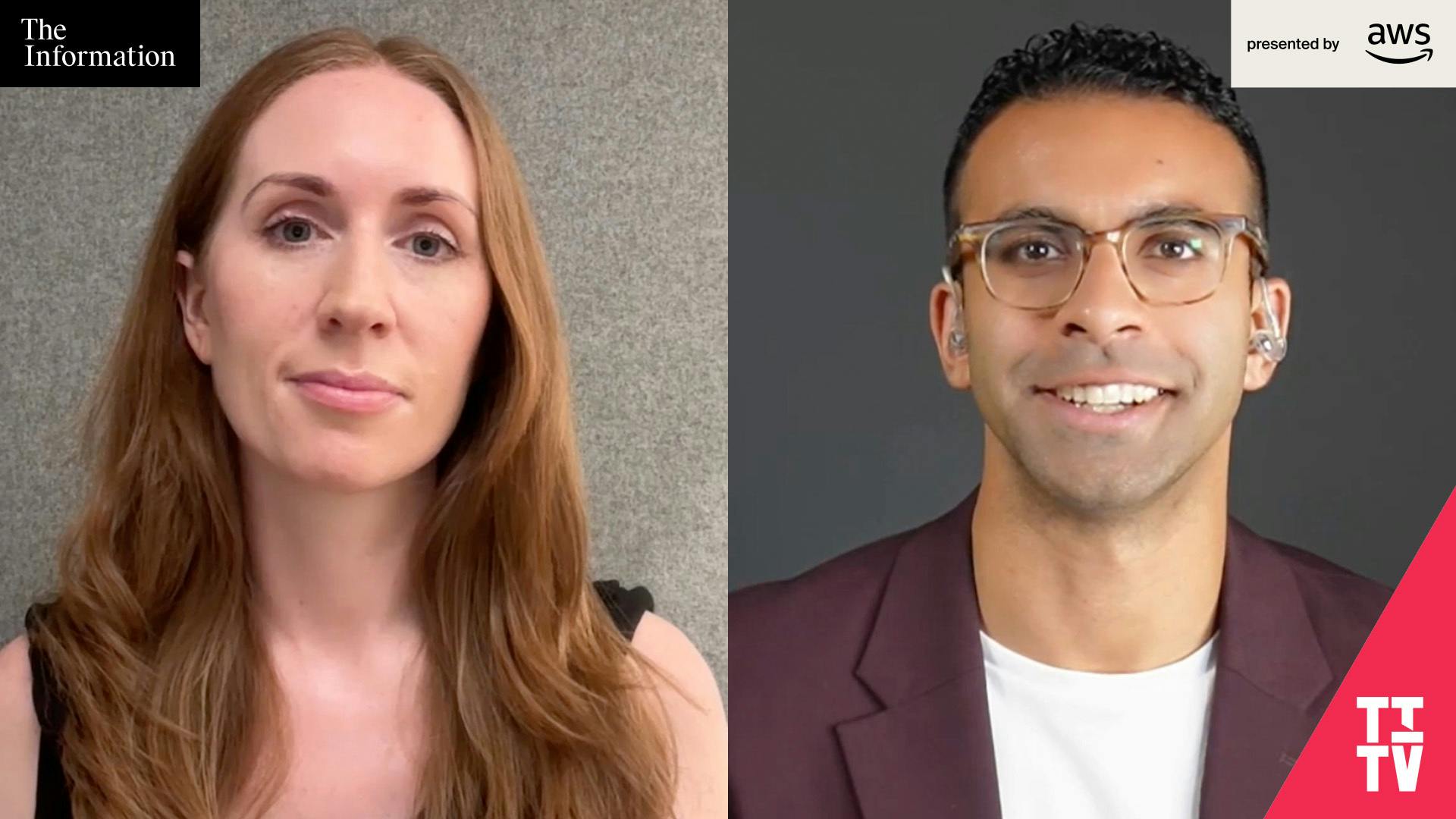
Google just won the antitrust war. Yes, it might have lost the initial skirmish, having had its search business branded a monopoly, but it couldn't have asked for a kinder ruling on how to deal with that monopoly. Google essentially got what it wanted, as the judge said he had accepted "in full" Google's proposed remedies, with a few modifications, while accepting just a few of the government's. You have to wonder whether Google will continue with its plans to appeal—maybe leaving well enough alone is the smart option. (See our detailed coverage here and check out a special episode on The Information's TITV tonight with Jessica Lessin and Amir Efrati).
Most importantly, Judge Amit Mehta rejected the most drastic of the government's proposals, that Chrome and maybe Android be spun off and that Google not be allowed to pay for guaranteed distribution of its search engine. Forcing the divestiture of Chrome or Android was an overreach on the part of the government, the judge said (a bit of a rap on the knuckles there). And preventing Google from paying for distribution could, he said, cripple many other companies (such as Mozilla) and hurt consumers. (This story of ours from December is relevant.) Mehta is surely not thinking of Apple when he talks about the companies that could be crippled, but the folks at Apple will surely be pleased that the $20 billion the company gets from Google every year for guaranteed placement of Google search on Safari seems likely to continue, albeit in a modified way.
What was particularly notable about the 226-page decision was Mehta's sensible acknowledgment that the rise of generative AI has "changed the course of this case." The lawsuit was initially filed in late 2020 by the first Trump administration and tried in 2023. But between then and this past spring, when the judge oversaw a hearing to determine how Google's search business should be overhauled to fix the monopoly he had found, ChatGPT has forced Google to upend the way it offers search. Far too often, antitrust regulators pursue cases that new technology has long since rendered moot, as is the case with the other Google antitrust case concerning its ad tech (more on that).
This decision should lift an overhang on Google stock created by last year's monopoly ruling (as New Street Research headlined a report tonight: "Antitrust Bear Case Erased"). And for Silicon Valley as a whole, it's another sign we're in a new regulatory era, mostly thanks to the very pro-business Trump administration. Despite the worries posed by President Donald Trump's tariff policy, not to mention his immigration crackdown and threat to the Federal Reserve's independence, the open-door policy the White House has shown tech executives is a stark contrast to the chilly reception they got from Joe Biden's administration. The only question now is whether we can extrapolate anything from this decision to the antitrust cases still pending against Meta Platforms, Apple and Amazon.
Klarna's Dual-Class Share Approach
Klarna was an early entrant in the "buy now, pay later" market, but it may be even more of a pioneer in corporate governance. As the U.K.-based company prepares to go public as early as next week, details of its unusual dual-class share structure have come to light. Specifically, Klarna has a class of supervoting shares that have no "economic rights"—in other words, unlike typical shares, the supervoting stock won't have a claim on the company's future profits. As a result, the supervoting shares don't count in the calculation of Klarna's valuation.
As we learned in an updated IPO filing today, Klarna's tentative pricing for its IPO values it at up to $14 billion. Klarna says in the filing it will have 377.79 million ordinary shares after the offering—including 5.5 million to be sold in the IPO—and 341.15 million Class B shares. The Bs, which will have 10 votes per share (compared with one for the ordinary shares), were issued as a "bonus" to all shareholders holding stock right before the IPO. So members of the unwashed public buying into the offering will have virtually no say in how the company is run. The real power will lie with shareholders such as Sequoia, which has about one-fifth of the shares, and co-founder and CEO Sebastian Siemiatkowski, who has about 7%.
Here's one question, however: Surely the right to control a company with supervoting rights has some value? In this case, however, the B shares can't be transferred and in 20 years will effectively disappear. Moreover, shareholders that sell their ordinary shares lose their B shares, preventing a situation where someone sells all their stock but still has a big vote. (It is possible for voting shareholders to change these arrangements, of course.)
In Other News
• Anthropic on Tuesday said it had raised $13 billion at a $170 billion valuation before the financing, in a round co-led by new investor Iconiq and returning investors Lightspeed Venture Partners and Fidelity Management. The funding nearly tripled its valuation from a round led by Lightspeed at the start of this year.
• Amazon is ending a program that allowed Prime members to share their free shipping benefit with others, according to an email to shoppers and a customer service page on Amazon's site. The Prime Invitee Program, which Amazon originally launched in 2009, will end on Oct. 1, the website page says.
• OpenAI said Tuesday it has agreed to acquire Statsig, a startup that helps businesses test how well their products are working, for $1.1 billion in an all-stock deal, representing about 0.4% of OpenAI's shares.
Today on The Information's TITV
Check out today's episode of TITV in which we talk about how the SEC is using AI and about OpenAI's offer to license data from coding company Cursor.
Recommended Newsletter
Dealmaker was named the "Best in Business" newsletter for its insightful coverage of private technology and the AI hype cycle. Start receiving the newsletter here.
Reserve your spot for The Information's WTF 2025 Summit. With AI reshaping business, volatile markets, and rising political uncertainty, the boldest women are coming together to lead through change. Ticket prices increase September 5th.






0 comentários:
Postar um comentário