Hello and welcome back to our weekly climate newsletter.
The United Nations climate talks in Brazil's coastal city of Belém ended with a whimper last weekend after more than 190 countries struck a deal without a pledge that scientists have continuously urged is crucial to staving off the increasingly dire threats of human-caused climate change.
Although the final agreement will give more funding for countries to respond to climate chaos - with a commitment to triple adaptation finance to $1.3 trillion by 2035 - it did not include a pledge to turn away from planet-warming fossil fuels or a roadmap to end deforestation.
Approximately 80 countries had backed a road map to transition away from oil, gas and coal, including Colombia and the U.K. Ultimately, Correa do Lago said he would create road maps related to that process and reversing deforestation over the next year.
Leaders at the conference insisted nations had delivered progress, but largely recognized that the deal fell short of many delegates' expectations, as well.
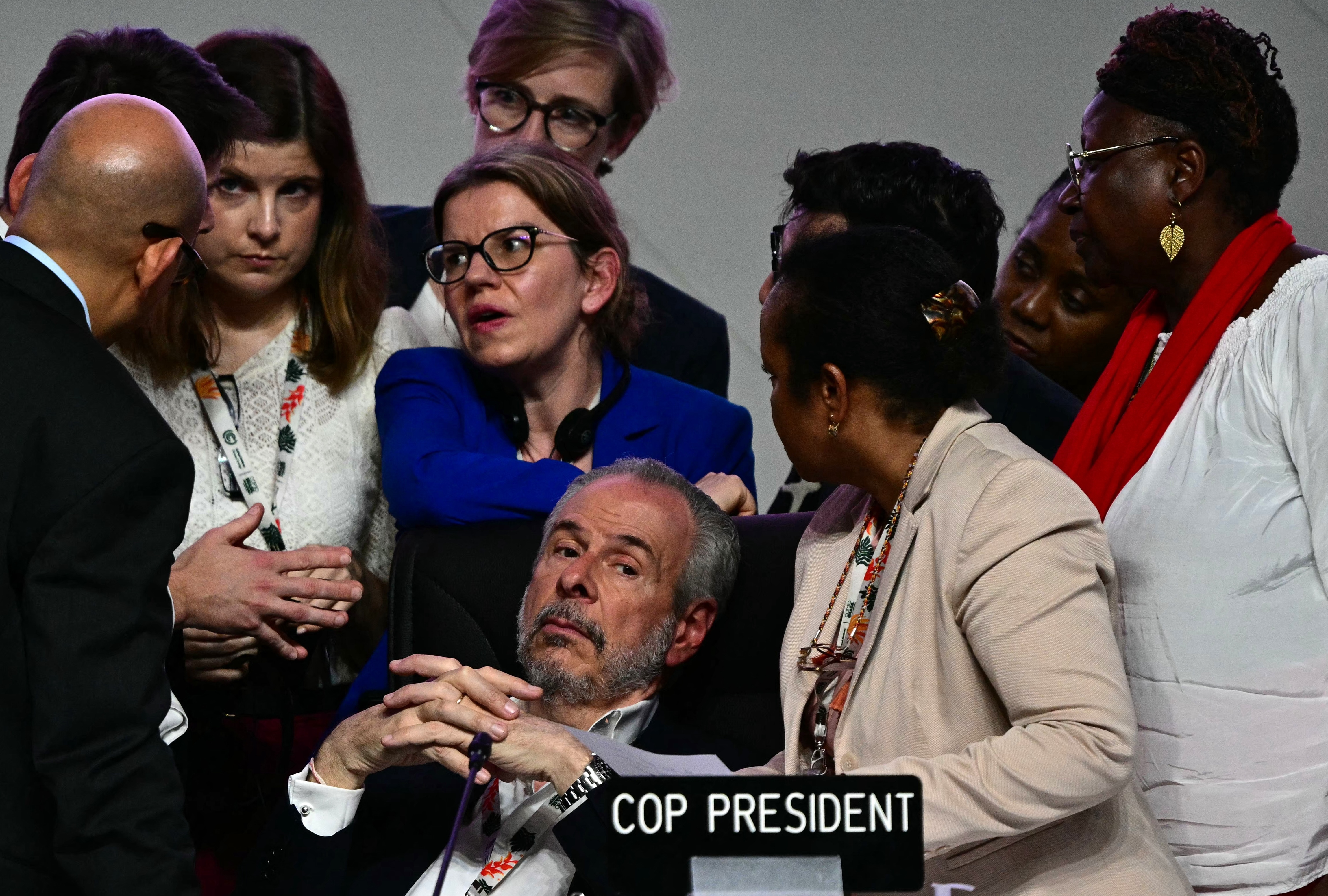
"We know some of you had greater ambitions for some of the issues at hand," COP30 President André Corrêa do Lago acknowledged. "I know the youth civil society will demand us to do more to fight climate change. I want to reaffirm that I will try not to disappoint you during my presidency."
"I cannot pretend that COP30 has delivered everything that is needed. The gap between where we are and what science demands remains dangerously wide," said UN Secretary-General António Guterres.
"COP30 is over, but our work is not. I will continue pushing for higher ambition and greater solidarity," he said.
While some leaders said COP30 had moved the needle amid what UN climate chief called "gale-force political headwinds," reaction from others, including climate scientists and activists, was scathing.
"A climate decision that cannot even say 'fossil fuels' is not neutrality, it is complicity," Panama negotiator Juan Carlos Monterrey Gomez said. "And what is happening here transcends incompetence."
"Science has been deleted from COP30 because it offends the polluters," he added.
"A climate deal without explicit language calling for a fossil fuel phaseout is like a ceasefire without explicit language calling for a suspension of hostilities," climatologist Dr. Michael Mann wrote on the social media platform Bluesky.
A record number of fossil fuel lobbyists had been accredited to attend the climate summit.
Next year's COP31 is in Antalya, Turkey.










0 comentários:
Postar um comentário