Greetings,
Can Waymo justify a $100 billion valuation? That's the question investors are weighing as Alphabet's autonomous ride-hailing company discusses raising new funding at a price tag that amounts to 280 times its annualized revenue.
Anita Ramaswamy reports on why this valuation, while high, may be supported by Waymo's rapid expansion. The company has already completed over 14 million paid trips this year—triple its 2024 volume—and plans to bring its robotaxi service to at least five more cities by 2026. While the hardware costs for Waymo's sensors remain high compared to rivals like Tesla, the precedent set by Uber's early growth suggests that these massive multiples can be justified if the revenue climbs fast enough.
Why it caught my eye:
- Growth Trajectory: Annualized revenue from paid rides in five cities has already topped $350 million, and analysts project that figure could reach $2.5 billion by 2030.
- Diversified Revenue Streams: Waymo isn't just sticking to ride-hailing; it plans to expand into local delivery and long-haul trucking, while eventually licensing its autonomous technology to other automakers.
- The Regulatory Lead: Unlike Tesla or Amazon's Zoox, Waymo has already secured the necessary clearances to charge for rides in several major cities, creating a solid first-mover advantage.
This fundraise represents a massive bet that Waymo can follow the Uber playbook, turning early market dominance into a lasting, diversified moat.
Best,
Jessica Lessin
Founder & Editor-in-Chief
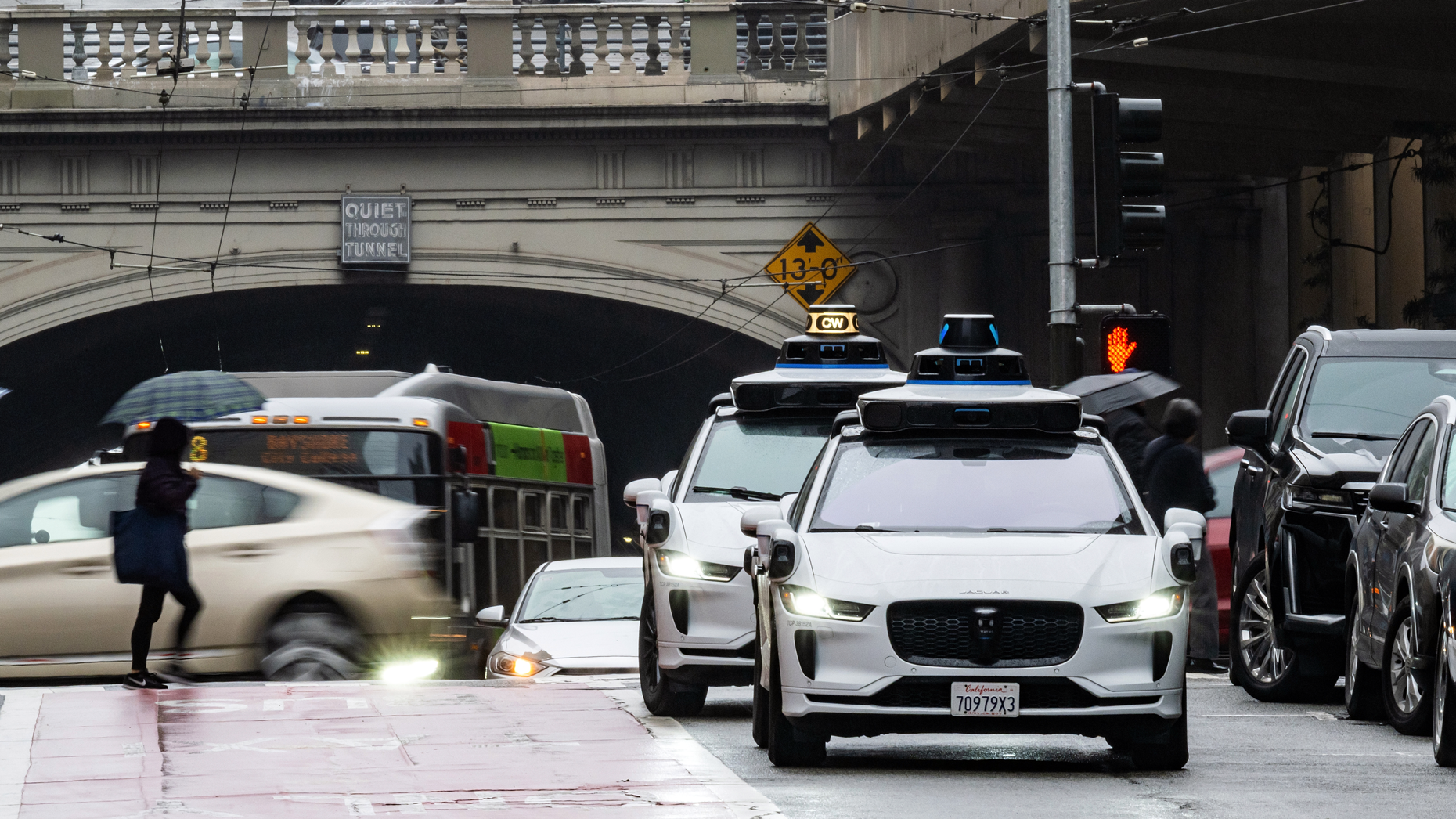
Can Waymo justify a $100 billion valuation? That's a question investors will answer as Alphabet's autonomous ride-hailing company discusses raising funding at a valuation that amounts to 280 times its annualized revenue—many times higher than other ride-hailing companies.
Waymo's rapid expansion in recent months—despite some hiccups such as a service suspension during a San Francisco blackout—suggests it can grow into that valuation. Revenue should rise as it adds riders and new services in cities, either by taking market share from Uber and Lyft or by unlocking entirely new demand.








0 comentários:
Postar um comentário