Hello and welcome back to our weekly climate newsletter.
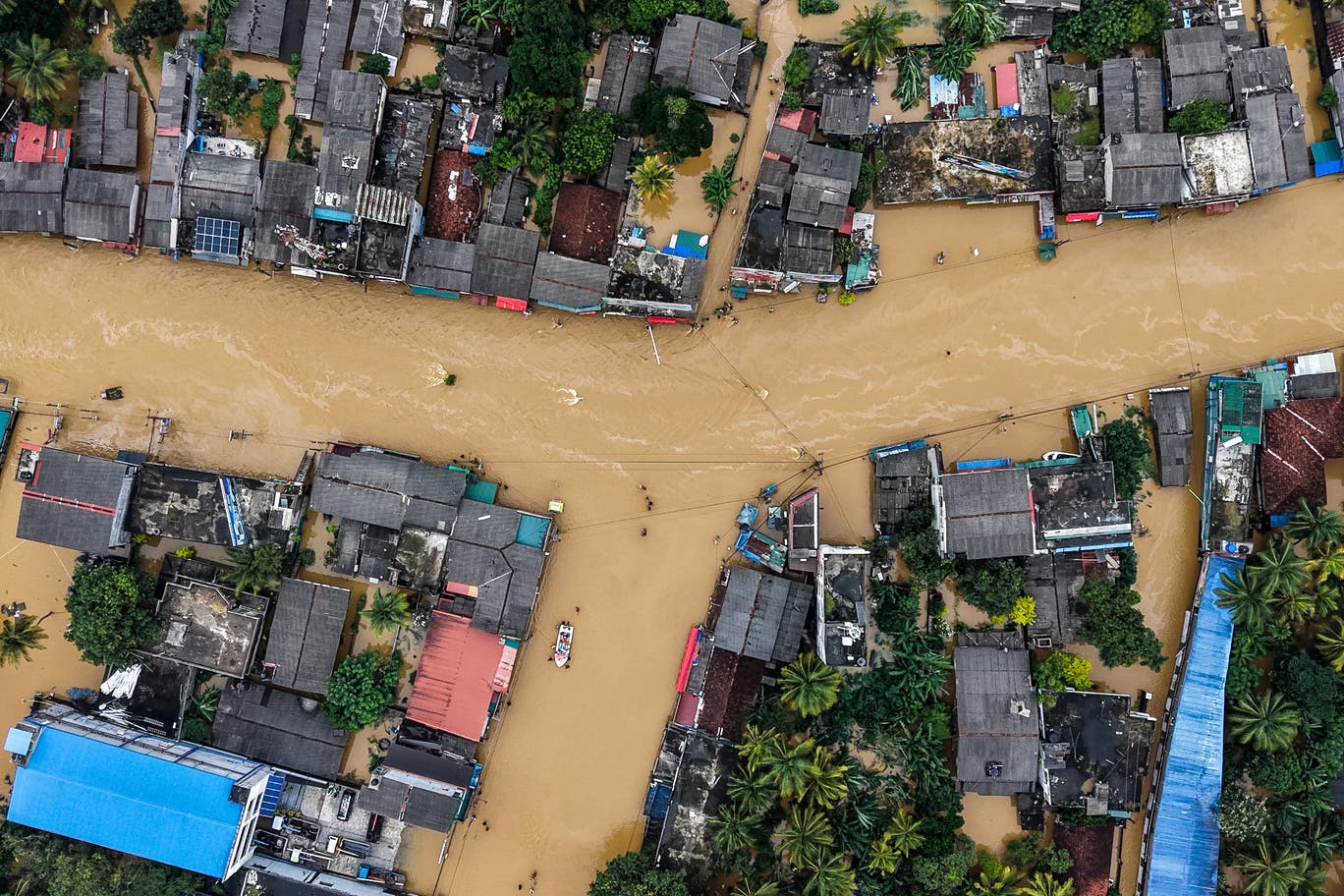
Rescuers are still struggling to reach isolated communities a week after catastrophic floods and landslides tore through south and southeast Asia, leaving more than 1,500 people dead and nearly 1,000 missing.
The combined disasters have killed at least 837 people in Indonesia, 479 in Sri Lanka, 185 in Thailand, and three in Malaysia, even as rain and flooding triggered by storms continues across the region.
Hundreds of villages remain buried under mud and debris and vast areas are still without electricity or telecommunications.
The floods are a result of three cyclonic storms hitting the region in quick succession, leading to record rainfall.
Mahesh Palawat, a meteorologist with Delhi-based private forecaster Skymet, said the seas around the region were unusually warm and primed for "cyclogenesis", or the birth and rapid strengthening of storms.
Normally, there is a gap of "15 to 20 days" between tropical storms in this basin as each system uses up energy from the ocean and atmosphere, Palawat said. "The gap of these cycles was much less," he added.
Concerns about environmental degradation were emerging as well. Residents and emergency workers in Padang said that piles of neatly cut timber were found in the flood debris, prompting fears that illegal logging might have worsened the disaster by weakening hillsides.
"From their shape, it was clear these were not just trees torn out naturally by the flood, but timber that had been deliberately cut," Neviana, a member of a clean-up crew, said.
Read more