A newsletter by Reuters and Westlaw |
|
|
By Diana Novak Jones, Mike Scarcella and Sara Merken |
|
|
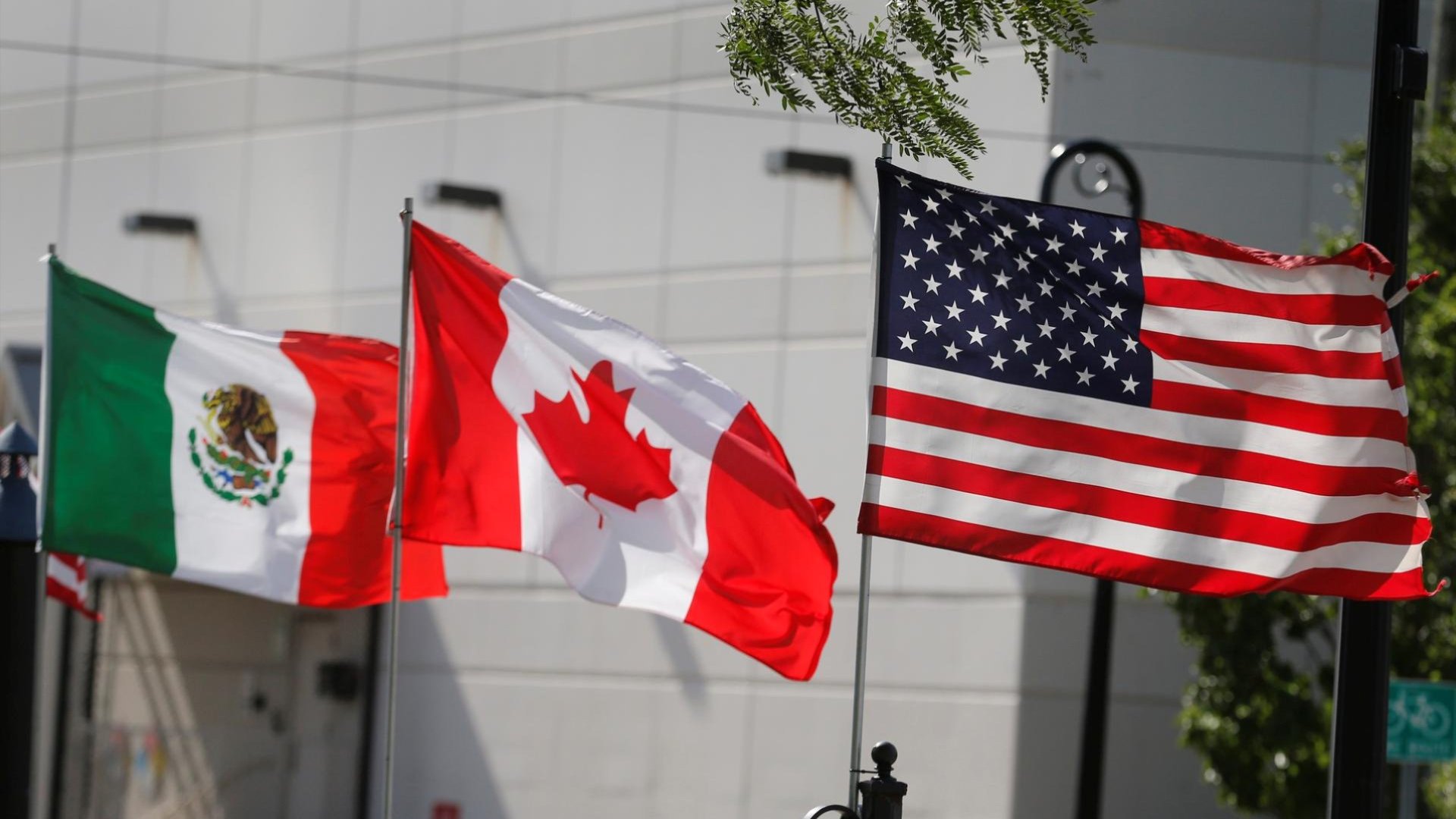
President Donald Trump pushed into new trade law territory with an emergency sanctions law to justify punishing 25% tariffs on Canadian and Mexican imports and an extra 10% duty on Chinese goods to curb fentanyl and illegal immigration into the U.S., our colleague David Lawder writes. Trade and legal experts said the 1977 International Emergency Economic Powers Act (IEEPA) is untested for imposing import tariffs and Trump's action will likely face court challenges that could set important precedents. Companies or industry groups would be likely to seek an injunction but may face an uphill battle blocking the tariffs, a legal expert said. The courts "historically upheld the president's power to take emergency actions, especially when they are related to national security," said Tim Brightbill, who co-chairs the international trade practice at Wiley Rein. But a key question will be whether the IEEPA includes tariffs, since it only has been used for sanctions. Another trade expert, William Reinsch at the Center for Strategic and International Studies, said "judges are not likely to second guess a president on what constitutes an emergency." |
|
|
That's the year when the federal Alien Enemies Act was signed into law. President Donald Trump is set to test the limits of his immigration crackdown by invoking the wartime law to deport immigrants alleged to be gang members without court hearings, our colleagues Ted Hesson and Kristina Cooke report. The move — which would almost certainly face legal challenges — could allow Trump to bypass due process rights and rapidly remove migrants. |
|
|
As the role of air traffic controllers comes under scrutiny in the deadly mid-air collision between a U.S. Army helicopter and an American Airlines regional jet, payouts by the federal government for past crashes show both the scope and limits of government liability. Jenna Greene in On the Case looks at the government's biggest plane crash settlements over the past 10 years — and why the payments are not higher. |
|
|
"I know people say the bar exam is supposed to be tough, but this is getting to a point of absurdity."
|
—First-time bar taker Gino Mazzoni, a recent graduate of Santa Clara University School of Law, remarking on some of the technical and logistical problems as California prepares to roll out a new bar exam on Feb. 25. Mazzoni said he lost a day of studying Thursday as he struggled to book a testing site in San Francisco. Examinees have been unable to schedule their in-person tests and are finding that there are fewer locations than they anticipated. |
|
|
- Today, Google's lawyers at Hogan Lovells will ask a 9th Circuit panel to wipe out a jury verdict and a San Francisco judge's order requiring sweeping changes to the tech giant's app store Play. "Fortnite" maker Epic Games, represented by Cravath, prevailed at the antitrust trial.
- Also today, a federal judge in Missouri will weigh a bid by three pharmacy benefit managers — Optum, CVS Caremark and Express Scripts — to block an FTC lawsuit accusing them of anticompetitive practices that artificially boosted the price of insulin.
- On Tuesday, the 5th Circuit will hear Mississippi's appeal of an injunction blocking the state from enforcing a new law that requires users of social media platforms to verify their ages and restricts access by minors to the sites if they lack parental consent.
- On Wednesday, a group of pregnant women and immigrant rights groups will urge a federal judge in Maryland to block President Donald Trump's administration from enforcing the Republican's executive order curtailing the right to automatic birthright citizenship in the United States.
- On Thursday, a federal judge in Seattle will consider at a hearing whether to further block Donald Trump's administration from implementing its birthright citizenship executive order. U.S. District Judge John Coughenour on Jan. 23 issued a temporary restraining order.
- On Friday, the 9th Circuit will hear challenges to Facebook's deal to pay $725 million to settle a data privacy class action in San Francisco federal court. Law firms Keller Rohrback and Bleichmar Fonti & Auld were co-lead counsel for the plaintiffs, and won a fee award worth more than $181 million.
Court calendars are subject to last-minute docket changes.
|
|
|
- McDonald's and Pfizer separately settled lawsuits by conservative groups challenging programs at the companies that were intended to benefit minorities.
- HHS said it may seek more than $1 billion from Johnson & Johnson as reimbursement for federal health agencies' payments of medical costs for patients who allege that the company's baby powder and other talc products caused them to develop cancer. J&J has denied allegations that its baby powder or other talc products contained asbestos and caused cancer.
- Starbucks and its union representing more than 10,000 baristas agreed to withdraw lawsuits filed against each other, a day after the two sides said they would bring in a mediator to help resume stalled negotiations.
- The estate of one of Superman's co-creators filed a copyright lawsuit against Warner Bros. Discovery ahead of the release of its new movie "Superman," part of a planned reboot of the DC Comics superhero film franchise.
- A proposed class action accusing Microsoft's LinkedIn of violating the privacy of millions of Premium customers by disclosing their private messages to train AI models has been dismissed. The plaintiff filed a notice of dismissal without prejudice in San Jose, California, federal court.
|
|
|
The Daily Docket is sent 5 days a week. Think your friend or colleague should know about us? Forward this newsletter to them. They can also sign up here. Want to stop receiving this email? Unsubscribe here. To manage which newsletters you're signed up for, click here. Reuters Terms & Conditions and Privacy Statement |
|
|
|






0 comentários:
Postar um comentário