A newsletter by Reuters and Westlaw |
|
|
Good morning. A busy day awaits. We have a look at the use of RICO in the Diddy trial. Plus, there's a lot going on in Trump litigation today, including two separate hearings over "Liberation Day" tariffs. Plus, the trouble with AI "hallucinations" has spread to big law firms. It's a Mondayest Tuesday. Let's dive in. |
|
|
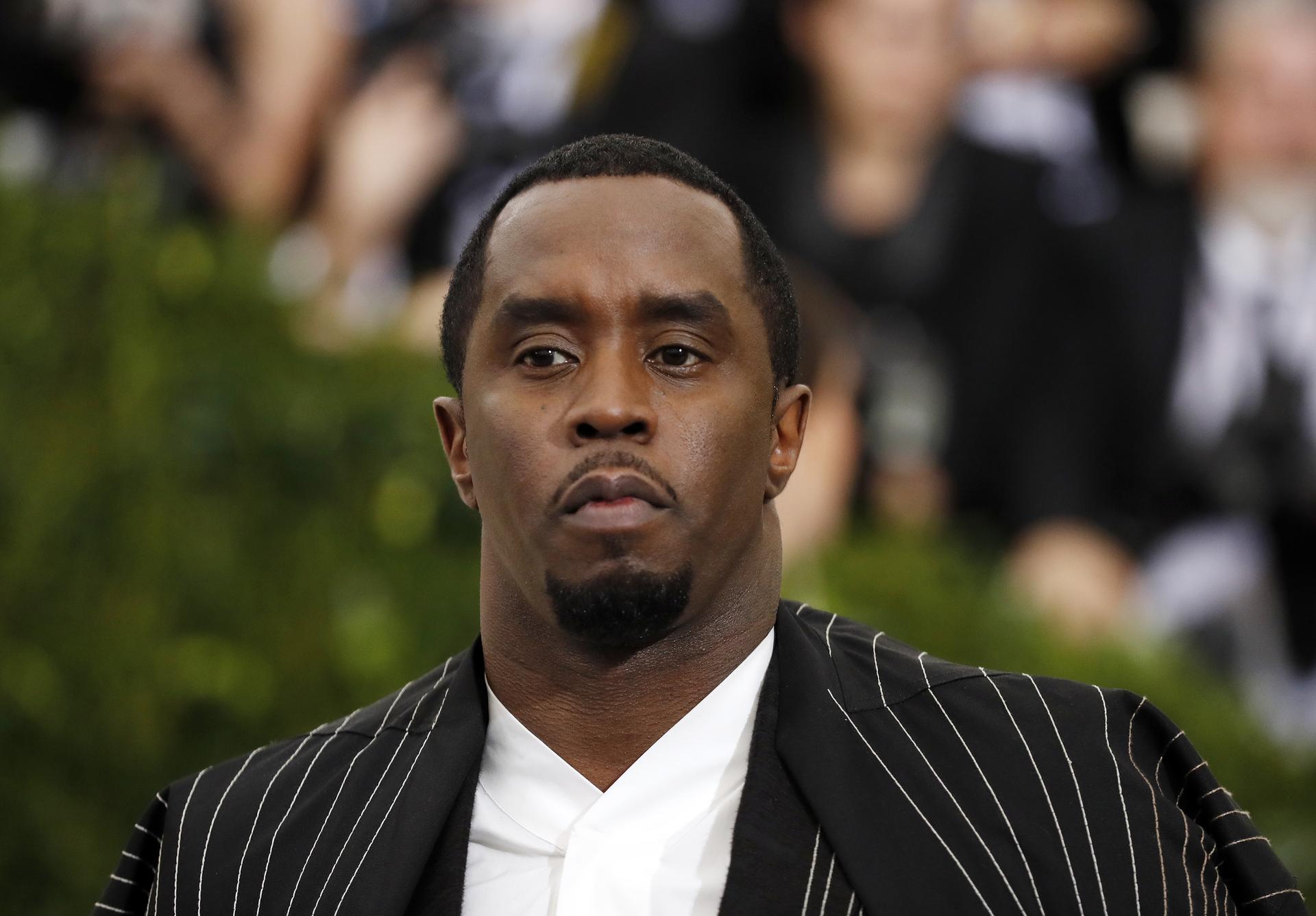
The third week of the Sean "Diddy" Combs sex trafficking trial begins today and witnesses have accused the hip-hop mogul of everything from breaking into a rival's home to hurling apples at a woman and attempting to intimidate or pay off witnesses in the case. Combs isn't charged with any of these alleged crimes, but legal experts say they provide powerful fodder for the prosecution's use of RICO. Here's what to know: | - RICO became law in 1970 and was aimed at taking down organized crime bosses. It allows prosecutors to introduce evidence of crimes that are not charged in the indictment or even tied directly to the defendant.
- The Combs prosecution involves an unusual application of RICO, according to legal experts, who say the law is not typically used in cases that primarily concern things like sex trafficking and prostitution, which Combs is also charged with.
- The evidence in Comb's case could paint such a compelling picture that jurors feel comfortable making the leap from trafficking to racketeering. Combs' lawyers have conceded the rapper abused his ex-girlfriend but have argued prosecutors are trying to criminalize consensual sex and his "swingers lifestyle."
- There is legal precedent for applying RICO in sexual abuse cases from the case of singer R. Kelly, who argued in an unsuccessful appeal of his 2021 conviction that allegations of assault were unrelated to racketeering.
|
|
|
Court calendars are subject to last-minute docket changes. |
|
|
—That's how much Boeing will pay in fines and compensation to affected families in a deal with the DOJ to avoid prosecution in a fraud case stemming from two fatal 737 MAX plane crashes that killed 346 people. The company must also pay over $455 million to strengthen the company's compliance, safety and quality programs. Read more. |
|
|
"There's no clear legal authority that permits company-specific tariffs, but the Trump administration may try to shoehorn it under its emergency power authorities."
|
—Sally Stewart Liang, partner at Akin Gump in D.C., commenting on the potential legal and economic hurdles President Trump could face in his bid to bring back iPhone manufacturing to the U.S. Read more. |
|
|
Baker McKenzie's Michelle Heisner, Andrii Moskalyk and Yanshu Zhang look at the legal framework around the U.S.-Ukraine mineral deal. Read today's Attorney Analysis. |
Additional writing by Shruthi Krishnamurthy. |
|
|
The Daily Docket is sent 5 days a week. Think your friend or colleague should know about us? Forward this newsletter to them. They can also sign up here. Want to stop receiving this email? Unsubscribe here. To manage which newsletters you're signed up for, click here. This email includes limited tracking for Reuters to understand whether you've engaged with its contents. For more information on how we process your personal information and your rights, please see our Privacy Statement. Terms & Conditions |
|
|
|






0 comentários:
Postar um comentário