Days away from being hit with punitive tariffs on its U.S. exports, India's diplomatic manoeuvres have focused on putting in place hedges against its currently fractious relationship with Washington.
On Monday, the U.S. notified rules for the higher 50% tariff to begin on August 27, signalling the Trump administration is serious about increasing trade pressure on India.
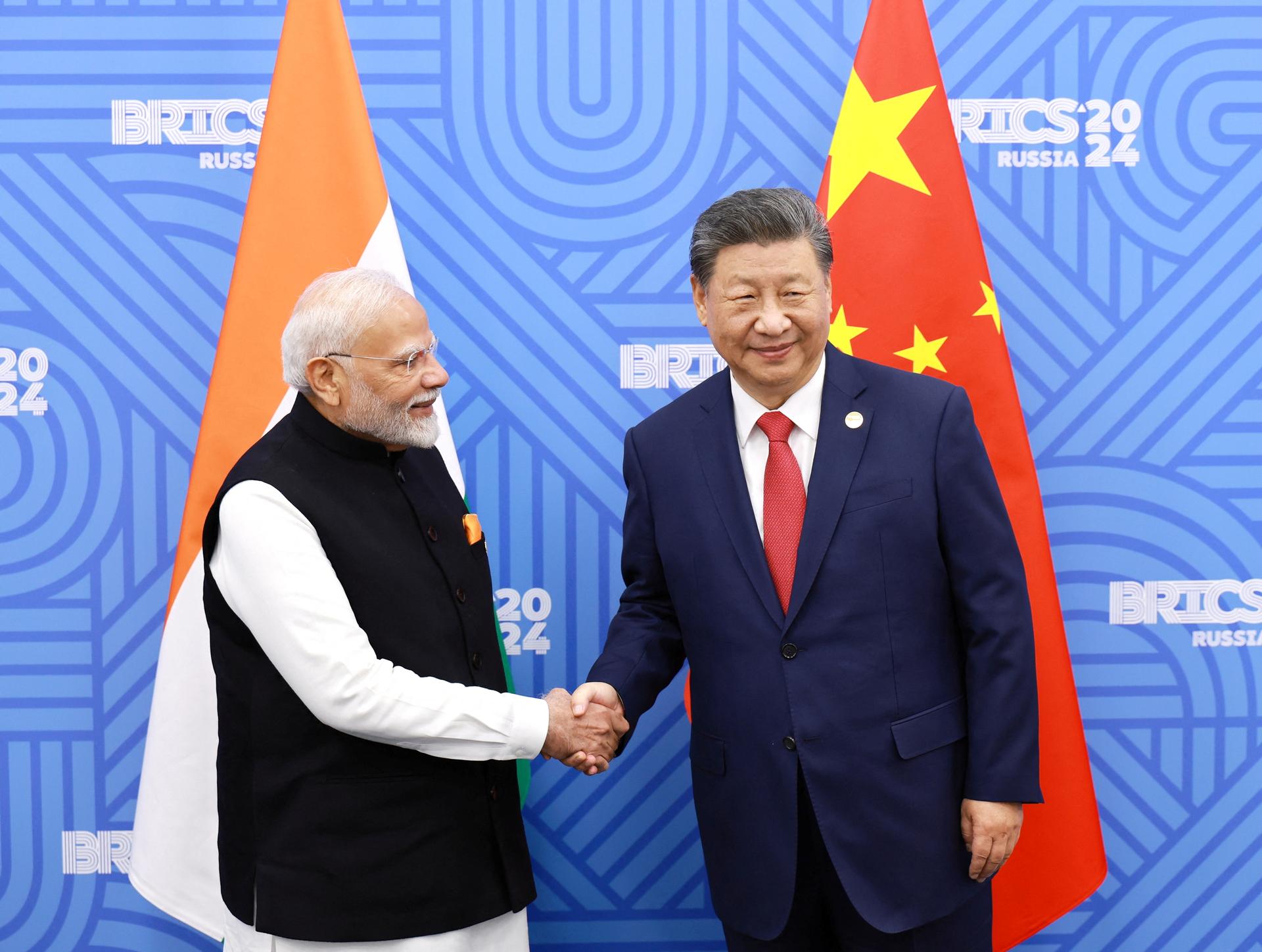
Since Trump threatened India with tariffs that are among the highest across America's trading partners, New Delhi's focus has been on mending ties with neighbouring China while signalling the country's continued closeness with long-time friend Russia.
Indian Prime Minister Narendra Modi has confirmed his visit to China at the weekend for the Shanghai Cooperation Organisation (SCO) summit, which will host leaders of more than 20 countries, including Russia's Vladimir Putin.
Ahead of that, India and China agreed to restart direct flights, stopped after the border clashes of 2020. Thorny trade issues including Chinese supply of rare earths, fertilisers and tunnel boring machines, are being addressed.
China opposes Washington's steep tariffs on India and will "firmly stand with India", Chinese ambassador to India Xu Feihong said last week.
Read here for more on the cautious attempts by India and China to repair relations.
There are reasons to doubt the likelihood of a significant improvement in Sino-Indian relations, including the risk that these overtures could worsen India's tensions with the U.S., Shilan Shah, deputy chief emerging market economist at Capital Economics, wrote in a note.
Capital Economics sees India's overtures to China as an attempt to build a geopolitical hedge but sees limits to an improvement in the relationship.
"There are several strains within the India-China relationship that would be hard to overcome," Shah wrote.
"An influx of cheap Chinese imports is undermining India's efforts to strengthen its domestic industry. And the biggest constraint on stronger relations is the view within India that China poses a threat to national security," he wrote.
A new Chinese mega dam is among the latest points of friction. Read this exclusive report on why the dam is sparking fears of a water war.
Alongside, India has continued to demonstrate its closeness to Russia, with foreign minister S. Jaishankar's visit to Moscow last week.
Relations between the two countries have been among the steadiest of major relationships after World War Two, Jaishankar said, as India continued to buy Russian oil despite the looming threat of U.S. tariffs of up to 50%.
Read here for more on the outcome of the India-Russia talks.






0 comentários:
Postar um comentário