Hello!
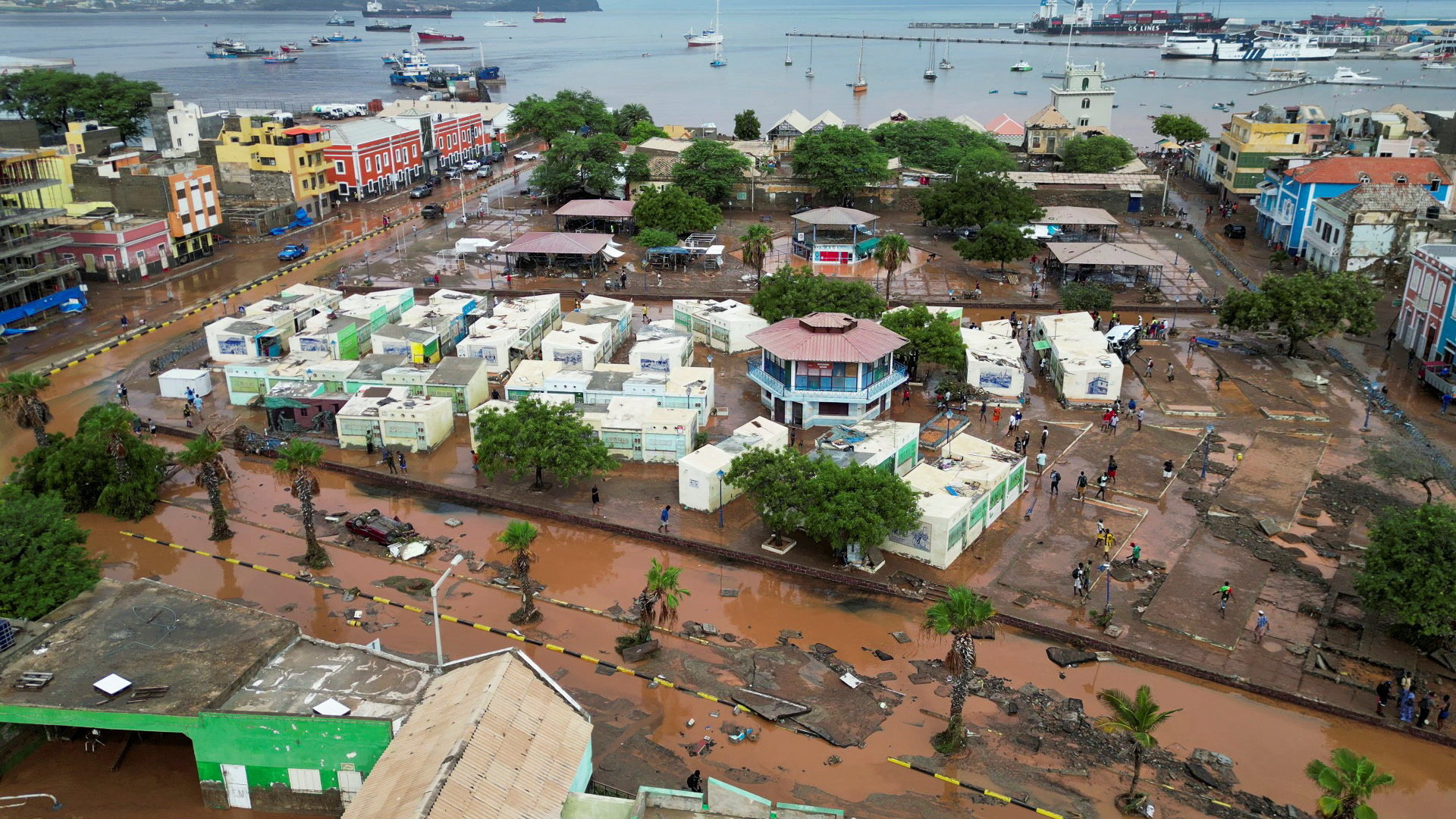
Today's newsletter focuses on massive, sudden downpours of rain known as cloudbursts that struck Pakistan and India during this monsoon season, killing hundreds of people in the flash floods and landslides they have triggered.
Click here to read a Reuters explainer on what caused the deadly floods or click here to watch a Reuters video on why these cloudbursts were so dangerous.
The monsoon has brought havoc across Pakistan, with the death toll from flash floods that hit the mountainous northwest rising to 385. Authorities said an unspecified number of people are still missing.
There have also been heavy monsoon rains in Mumbai, India's financial capital, with some parts of the city drenched with as much as 875.1 mm of rain in the five days to August 20, the local weather department said.
The rains began in Pakistan's financial capital Karachi on Tuesday, causing widespread flooding as rainfall reached levels not seen in years in some parts of the country's biggest city – home to more than 20 million people.
The deaths were caused by drowning, road accidents, building collapse and electrocution, said Abdul Wahid Halepoto, a provincial government spokesperson.
"I have never experienced rain like this in my life," said Anosha, 30, a creative designer, who did not want to give her full name. "Our car got stuck in the flooded road, water seeped in, and I panicked."
Anjum Nazir, a spokesperson for the provincial meteorological department, said the area around the airport received 163.5 mm (6.4 inches) of rain, the highest recorded there since 1979.
Rescue workers, police, volunteers and government agencies were helping relief efforts, the city's Mayor Murtaza Wahab told a press conference.
"We are using all our resources to clear roads and restore utilities," he said.
Wahab said the rain had overwhelmed the city's infrastructure. The city's drainage system has the capacity to manage 40 mm of rain, and anything above that would spill over into flooding, he said.








0 comentários:
Postar um comentário