Greetings from London! It seems that issues surrounding Tesla's "Full Self-Driving" system are rarely out of the news nowadays. FSD has already been under investigation by the U.S. safety agency NHTSA, including an inquiry into 2.4 million Tesla vehicles equipped with the system after four reported collisions in reduced roadway visibility. And in January the regulator launched an investigation into 2.6 million Teslas over reports of crashes involving a feature that lets users move their cars remotely. NHTSA is also reviewing Tesla's deployment of self-driving robotaxis in Austin, Texas, investigating whether Tesla employees can remotely drive the vehicles. Now two U.S. senators want NHTSA to investigate reported failures by FSD to detect and safely respond to railroad crossings, citing risks of "catastrophic" collisions. Democratic Senators Ed Markey and Richard Blumenthal cited a growing number of reported near-collisions in their call for an investigation, to which the regulator responded that it was gathering information on such incidents. That will not be welcome news at Tesla headquarters, where the company has (again) been eagerly selling bold visions of vast fleets of self-driving cars on America's roads. Which brings us to today's Auto File… |
|
|
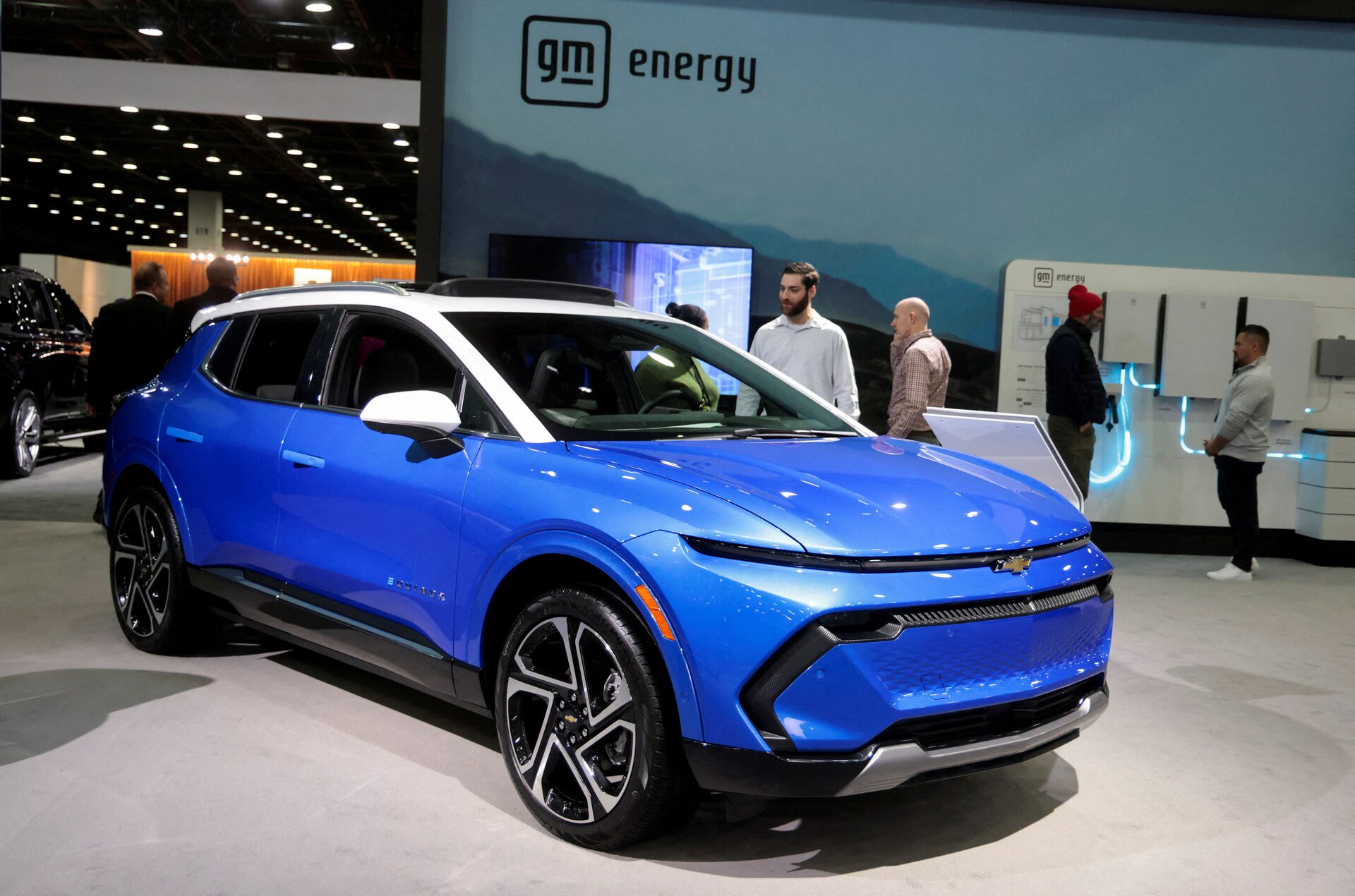
Chevy Equinox, maybe still available with $7,500 tax credit - REUTERS/Rebecca Cook. |
Ford, GM's EV tax credit move |
The U.S. EV tax credit officially dies today. But according to a story from Reuters colleague Mike Colias, General Motors and Ford have found a way to keep the party going. You can read more about it here. According to Cox Automotive, the Trump administration's moves to kill the EV tax credit helped push EVs electric car sales during the third quarter as U.S. car buyers rushed to take advantage of the $7,500 federal subsidy. As of tomorrow, sales are expected to tail off as EVs immediately become more expensive. But Ford and GM have both been racing to sign up car dealers for programs that would effectively extend the use of the tax credit on leases of EVs. The two automakers have rolled out programs to retailers under which the automaker's financing arm initiates purchases of EVs in dealers' inventory by making down payments on them. Those down payments qualify the lending arms for the $7,500 tax credit on those vehicles, allowing dealers to offer leases on those cars to retail customers as usual for several more months with the subsidy factored into the lease rate. And it's all above board, as sources say Ford and GM devised their programs after discussions with officials at the Internal Revenue Service. It is unclear, however, if other automakers have pursued similar tactics to squeeze every last sale out of the EV tax credit. |
|
|
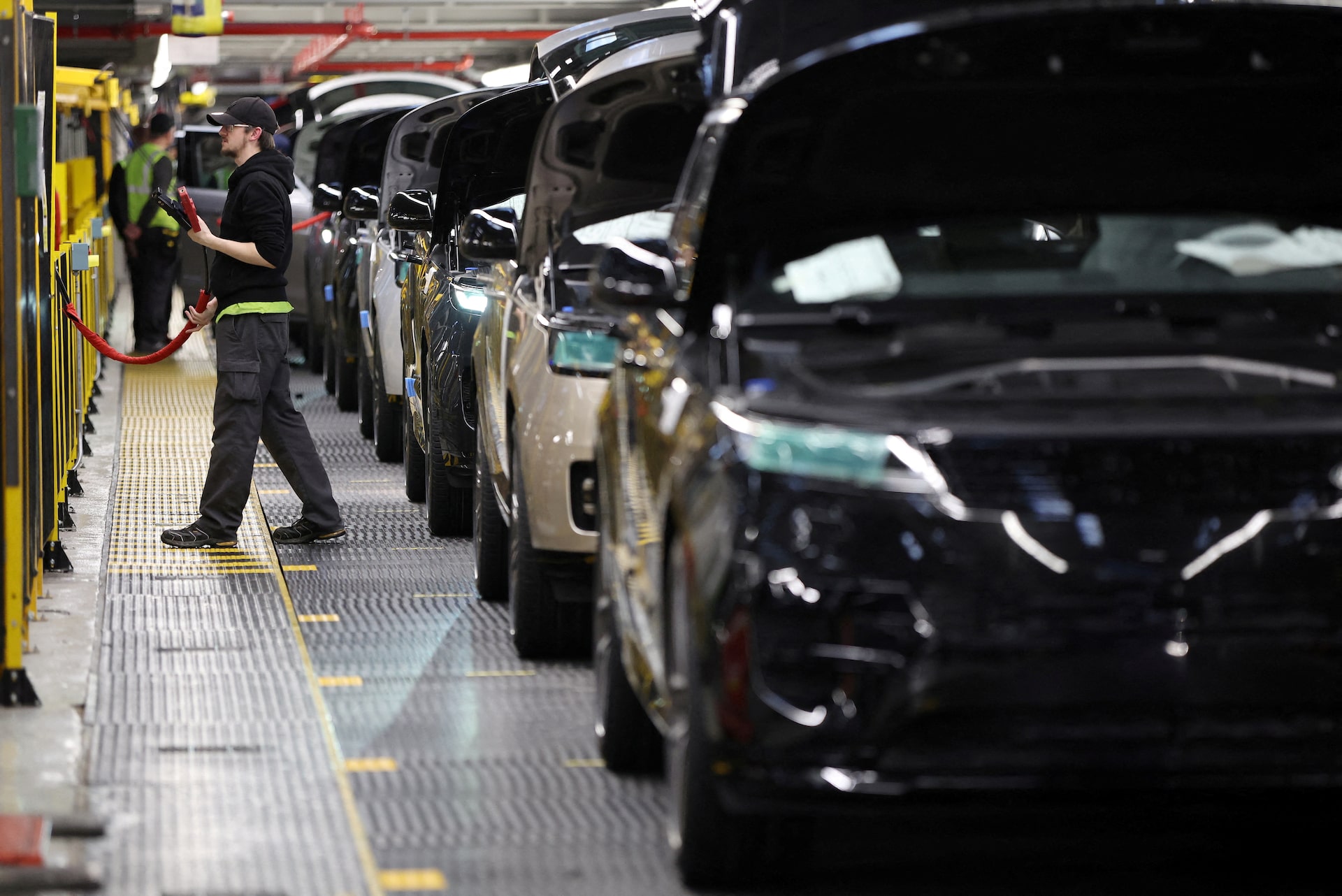
JLR hopes to make more of these soon - REUTERS/Phil Noble. |
Earlier this decade, JLR's problem was that it could make cars but couldn't make a profit. JLR solved that problem and has been making money. But for the last month it has been unable to make cars in Britain and just about anywhere else. Weeks after a cyberattack shut down JLR, including its factories, at the end of August, JLR finally said this week that it will resume some manufacturing operations in the coming days, as part of a phased recovery. That came after the British government pledged a $2 billion loan guarantee for the group to help support suppliers hit by the production shutdown – though some argue that sends a risky message to others that bailouts for cyberattacks are okay. But Britain's government was stuck with no good choices as suppliers cut jobs and employee hours. Perhaps unsurprisingly, JLR owner Tata has chosen this moment to name insiders Shailesh Chandra as managing director and CEO and Dhiman Gupta as CFO, who will have to work through the fallout from what appears to be Britain's worst ever cyberattack. |
|
|
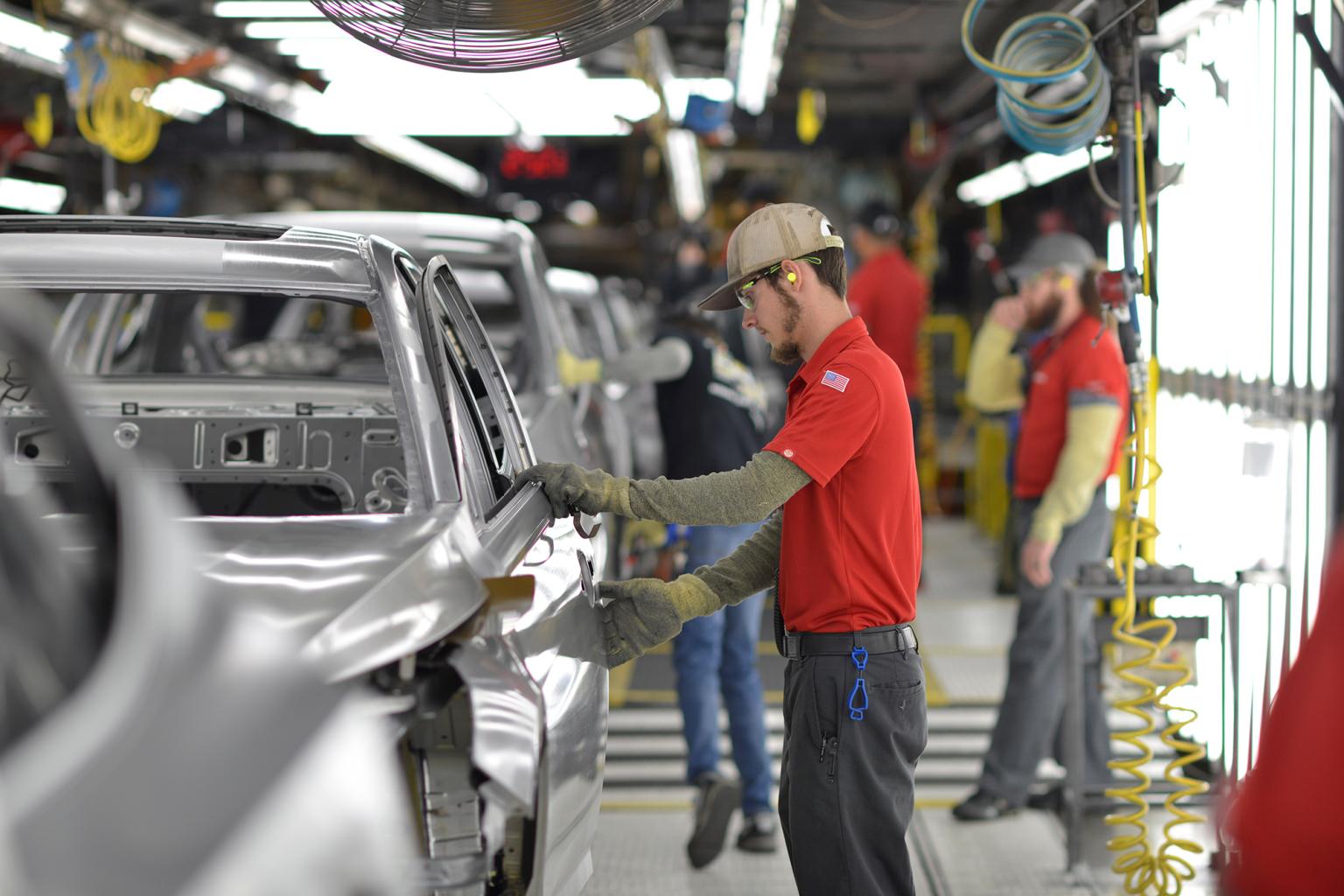
Is Trump's car boom real? - REUTERS/William DeShazer. |
During President Donald Trump's first term in office, he leaned on automakers to announce new U.S. factories, declared victory when they did and rarely followed up to see whether they were actually built. Only eight months into his second term, Trump is touting a booming U.S. auto industry, fueled by new factories from Canada, Mexico and Europe that he says will soon be producing American-made vehicles for global markets. But as Reuters colleague Jarrett Renshaw reports, there is little evidence of a construction binge of new U.S. car factories. You can read about it here. "We have so many car company factories under construction or being designed right now," Trump said at a White House event earlier this month. Instead, auto companies are making tactical moves at existing plants as they adapt to Trump's tariffs, and policies hostile toward EVs. For example, Nissan plans to make more Rogue SUVs and other vehicles at plants in Tennessee and Mississippi, while reducing imports from Japan. |
|
|
South Korea's auto shipments to the U.S. have declined for six consecutive months since Trump announced his 25% tariffs in April. But in an interesting twist, its global car exports have risen for three straight months, supported by record-high second-hand vehicle sales, which accounted for a quarter of the total auto exports by volume and 13% by value, according to trade ministry and customs data. You can read all about it here. Used vehicle export growth is largely driven by insatiable demand for older Hyundai and Kia models in Russia and in the Middle East and a weaker won. Shin Hyun-do, director of the Korea Used Car Distribution Research Institute, said rising prices because of U.S. tariffs will hurt the new car market but will continue boosting demand for used vehicles. |
|
|
Volvo Cars will make a new hybrid model in the United States by 2030 as the Swedish auto maker continues to adjust to President Trump's tariff policies. Toyota's global sales grew for an eighth straight month in August, as continuing strong U.S. demand for some hybrid models offset a weaker performance in Japan. Stellantis will temporarily halt production at its Poissy plant in France and Pomigliano in Italy, at the end of September for up to three weeks because of weak car demand in Europe. Aluminium made with renewable power and from recycling is helping premium automaker Mercedes-Benz cut CO2 emissions in the production of new EVs as part of a wider effort to decarbonise operations. Toyota workers in Brazil voted overwhelmingly in favour of temporary layoffs following storm damage to one of the Japanese carmaker's factories in the state of Sao Paulo. Ferrari and Stellantis chair John Elkann faces a new legal battle with his mother after her lawyers on Monday presented what they said was a previously undisclosed handwritten amendment to the will of her father, the late Gianni Agnelli. Think your friend or colleague should know about us? Forward this newsletter to them. They can also subscribe here. |
|
|
Auto File is sent weekly. Think your friend or colleague should know about us? Forward this newsletter to them. They can also sign up here. Want to stop receiving this email? Unsubscribe here. To manage which newsletters you're signed up for, click here. This email includes limited tracking for Reuters to understand whether you've engaged with its contents. For more information on how we process your personal information and your rights, please see our Privacy Statement. Terms & Conditions |
|
|
|






0 comentários:
Postar um comentário