A newsletter by Reuters and Westlaw |
|
|
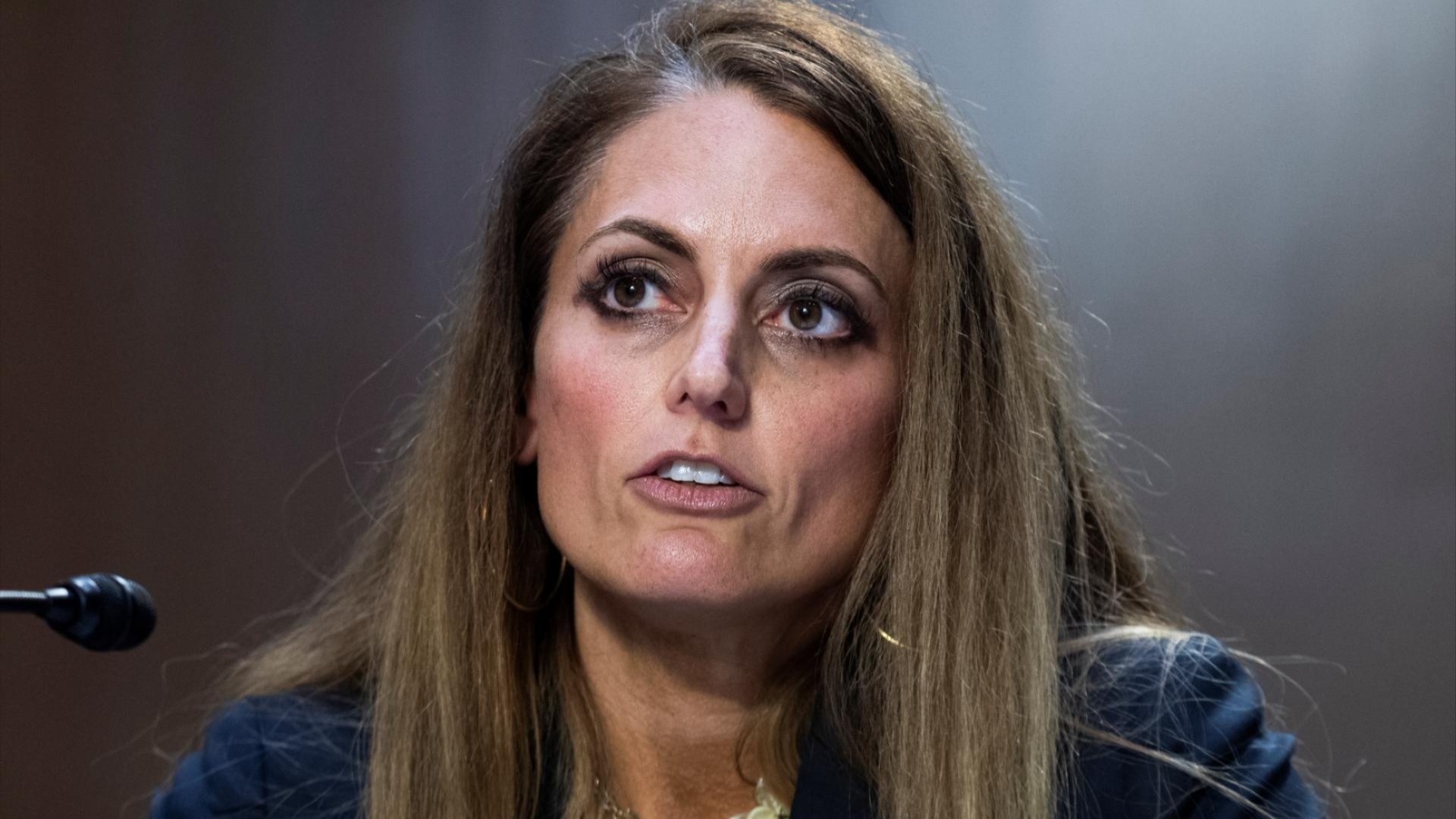
Tom Williams/Pool via REUTERS |
|
|
- The committee voted 12-10 along party lines in favor of Jennifer Mascott, a conservative academic with minimal ties to Delaware, filling a seat traditionally reserved for Delaware residents on the Philadelphia-based 3rd Circuit.
- Mascott previously clerked for Justices Clarence Thomas and Brett Kavanaugh and recently served in the White House Counsel's Office. Read more about her background here.
- Senator Chris Coons, Delaware's senior Democratic senator, objected to Mascott's "norm-shattering" nomination, highlighting her lack of Delaware legal experience. Many talented conservative lawyers live in Delaware, he said, yet Trump picked someone whose main link to the state is a beach house she owns.
- In a different era, Coons' objection might have tanked Mascott's nomination, given the long-standing Senate custom of only allowing judicial nominees to advance whose home state senators return "blue slips" supporting them. But Senate Republicans ended the blue slip custom for appellate court nominees during Trump's first term.
- Mascott is Trump's second nominee to the 3rd Circuit in his second term, after recently winning Senate confirmation of his former personal lawyer, Emil Bove, who was at the DOJ, to the court.
- Three other nominees advanced on Wednesday: Alabama Solicitor General Edmund LaCour and Harold Mooty, a partner at Bradley Arant Boult Cummings, who if confirmed would serve in Alabama's Northern District, and Alabama Supreme Court Justice Bill Lewis, who would serve in Alabama's Middle District. Read more here.
| - Jessica Leslie, a former federal grand juror who leaked information about an investigation into the handling of the high-profile murder prosecution of Karen Read is set to be sentenced before U.S. District Judge Indira Talwani in Boston. Read was acquitted in June on charges that she killed her boyfriend, Boston police officer John O'Keefe, in 2022 with her car.
|
|
|
That's the amount U.S. cities say President Trump's executive orders put at risk in DHS grants to local governments. More than two dozen cities and counties in California, Washington and Arizona sued the Trump administration, arguing that Trump has illegally attempted to attach new political conditions to funding from DHS and FEMA, including grants that local governments use to prepare for and recover from disasters. Read more. |
|
|
"There's no more belt tightening that can be done."
|
— Chief U.S. District Judge Randy Crane of the Southern District of Texas, commenting on how tight budgets in recent years have reduced the availability of the funding needed to sustain paid operations of the federal judiciary if Congress does not act. Courts nationwide could maintain paid operations through October 17 after Congress failed to pass spending legislation in time to avert a government shutdown. Read more. |
|
|
When a San Francisco federal jury in August found Facebook parent Meta liable for violating the privacy of users of fertility tracking app Flo, one big question remained: How much will the class action payout be? Based on signals from U.S. District Judge James Donato at a damages hearing in San Francisco on Tuesday, Meta could be on the hook for up to $8 billion, if the plaintiffs get their way and the verdict is upheld on appeal, Jenna Greene writes in On the Case. Read more about what happened at the hearing. |
|
|
Additional writing by Shruthi Krishnamurthy. |
|
|
The Daily Docket is sent 5 days a week. Think your friend or colleague should know about us? Forward this newsletter to them. They can also sign up here. Want to stop receiving this email? Unsubscribe here. To manage which newsletters you're signed up for, click here. This email includes limited tracking for Reuters to understand whether you've engaged with its contents. For more information on how we process your personal information and your rights, please see our Privacy Statement. Terms & Conditions |
|
|
|






0 comentários:
Postar um comentário