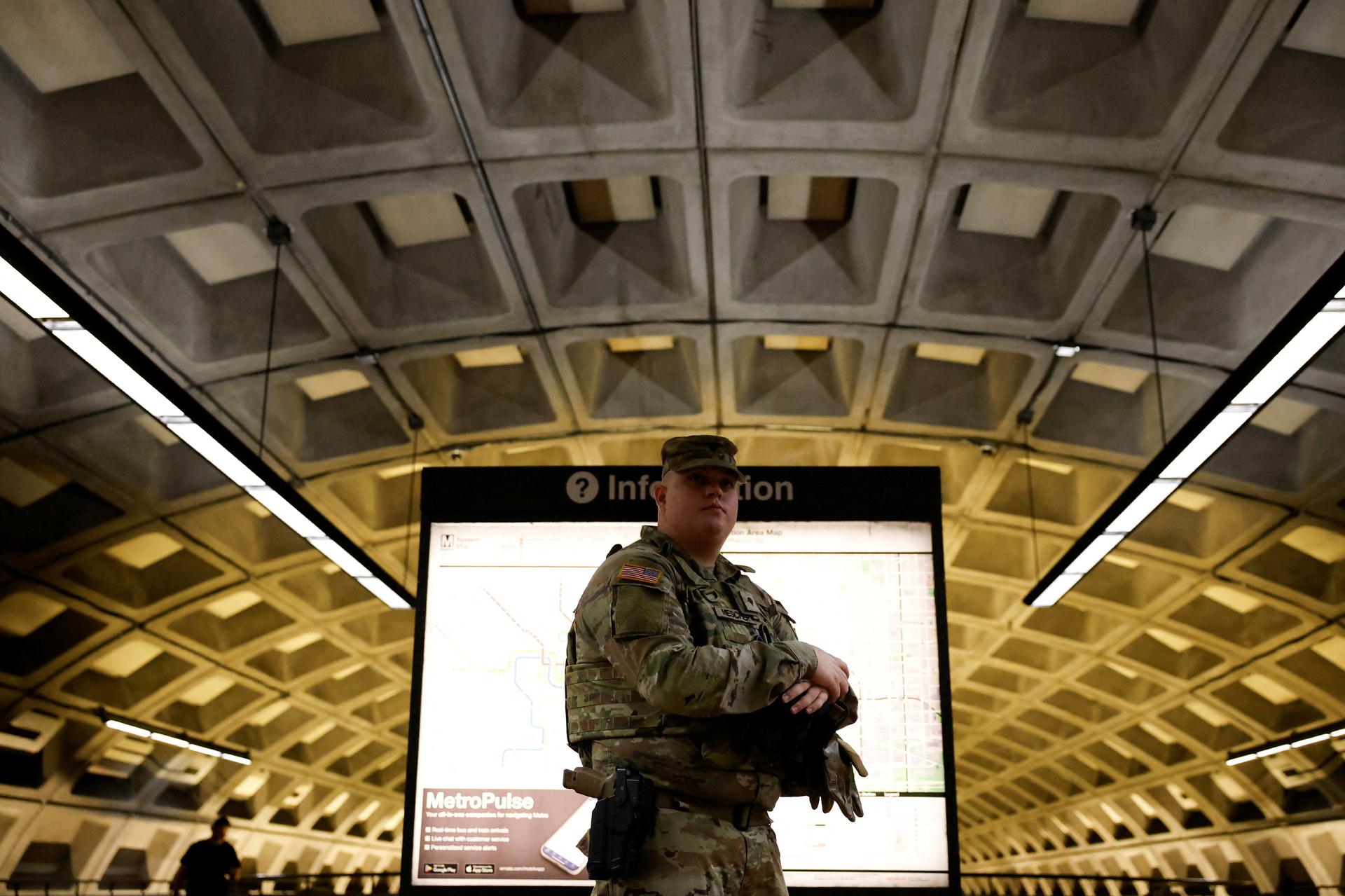
After mobilizing hundreds of federal agents and thousands of soldiers to the nation's capital, President Trump has declared victory over what he called a "crisis" of crime in D.C., and floated the idea of using such deployments to U.S. cities as training grounds for the military. "We have a very safe city now," Trump said last week. "The country is going to be safe. We do it one at a time."
Trump has ordered forces to Memphis, Tennessee and told a gathering of military officers that he plans to send troops to Chicago and other Democratic-controlled cities.
What's not clear is whether Trump's show of force in Washington has had a significant, or lasting, effect on curbing crime. A Reuters review of public safety records and interviews with four experts on crime suggest that it is premature to draw sweeping conclusions about the impact of Trump's deployments. While some types of crime – especially gun offenses – have become less frequent since Trump ordered troops into the city, overall violent crime hasn't changed that much.
"To make a claim based on a very short-term intervention under highly unusual circumstances doesn't make any sense," Columbia Law School professor Jeffrey Fagan said.
A spokesman for D.C.'s Democratic Mayor Muriel Bowser declined to comment. Bowser has credited the extra federal agents with helping to reduce crime but has said immigration raids and troop deployments did not.
White House spokeswoman Abigail Jackson said in an email "it is an objective fact that crime in DC dropped dramatically during the President's 30-day emergency."
Here is what the data shows, and why it's tricky to measure the impact of the crackdown.






0 comentários:
Postar um comentário