Hello! What happens when immigration policies collide with climate change concerns? Well, today's newsletter seeks to answer that question after the U.S. threatened to use visa restrictions and sanctions against nations that vote in favor of a plan put forward by a United Nations agency to reduce planet-warming greenhouse gas emissions from ocean shipping. The International Maritime Organization is meeting this week to formally decide whether to impose a carbon emissions price on global shipping, a move supported by an EU-led bloc including Britain, China and Japan. But the policy is strongly opposed by Washington. Keep scrolling to find out why. Also on my radar today: |
|
|
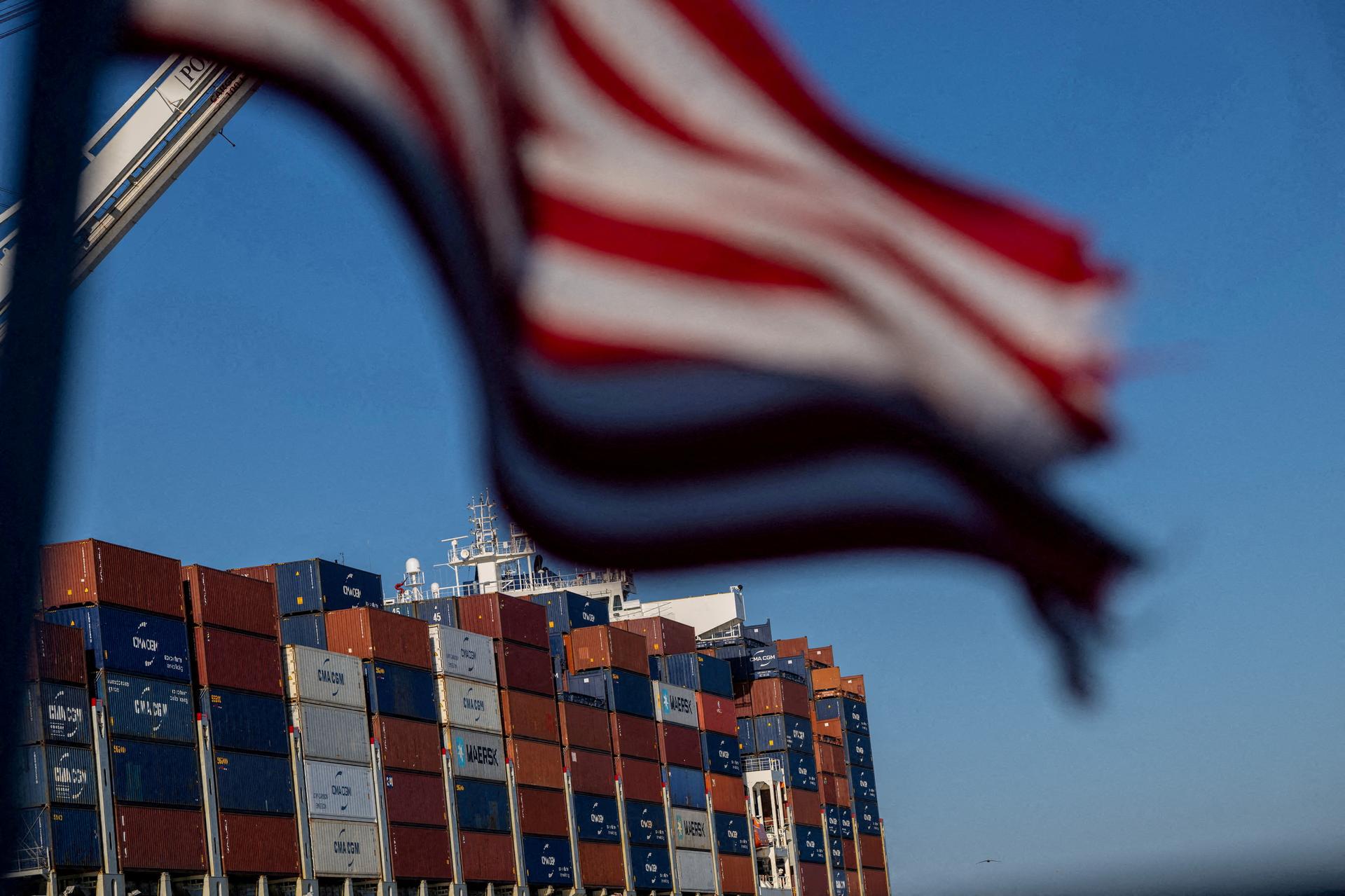
Trump admin threatens visa ban over maritime climate law. Photo of a cargo ship full of shipping containers seen at the port of Oakland, California, U.S. REUTERS/Carlos Barria/ |
Background on the IMO deal |
The IMO's proposed marine fuel emissions standard would impose a fee on ships bigger than 5,000 tons that breach a threshold of emissions, and reward vessels burning cleaner fuels. Ships will either buy remedial units or pay a penalty if they emit more than the threshold. Ships emitting less than a separate threshold will receive surplus units. The April deal is now tabled for adoption at a meeting of the IMO's environmental committee scheduled for October 14-17, which is expected to include the United States. However, Washington has continued its efforts to derail the measure since April, threatening port fees and visa restrictions against countries that support it. "The United States will be moving to levy these remedies against nations that sponsor this European-led neocolonial export of global climate regulations," the U.S. State Department said in a statement on October 11. "The Administration unequivocally rejects this proposal before the IMO and will not tolerate any action that increases costs for our citizens, energy providers, shipping companies and their customers, or tourists," U.S. Secretary of State Marco Rubio, U.S. Energy Secretary Chris Wright and U.S. Transportation Secretary Sean Duffy said in a joint statement. |
|
|
How about other countries? |
European Union states, meanwhile, have called for the IMO measure to be adopted, the European Commission said in an October 12 statement. Last month, a group of some of the world's biggest oil tanker companies, including firms such as Cyprus-based Frontline and Saudi Arabia's Bahri, said they had "grave concerns" about the proposal Large container carriers, under pressure from investors to fight climate change, generally agree that a global regulatory framework is crucial to speeding up decarbonization. |
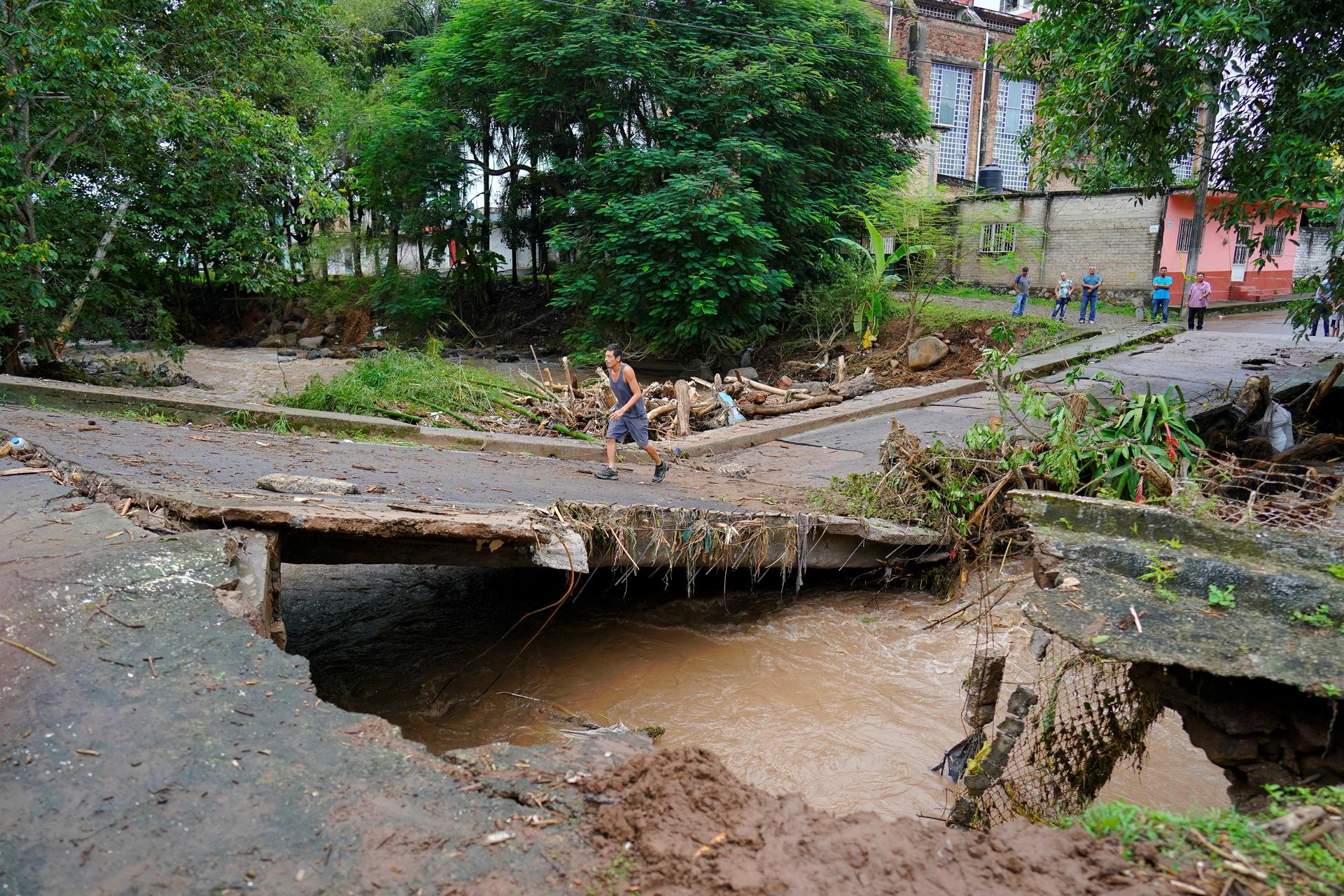
A man walks on a damaged bridge as torrential rains from tropical storm Raymond triggered landslides and flooding in Jalcocotan, Nayarit state, Mexico. REUTERS/Christian Ruano |
- Mexico rains: Torrential rains that lashed Mexico last week have left at least 64 people dead and 65 missing after downpours triggered landslides, cut off power in some municipalities and caused rivers to burst their banks, the government said. Mexican authorities have deployed thousands of personnel to help evacuate, clean up and monitor areas in the Gulf Coast and central states.
- Philippines twin quakes: Two powerful offshore earthquakes struck off the southern Philippines, killing at least seven people, while towns near the epicenter suffered structural damage and authorities warned of strong aftershocks. The twin quakes were among the strongest in recent years to hit the Philippines, which sits on the Pacific "Ring of Fire" and experiences more than 800 quakes each year.
- Gaza aid: There are promising early indications from countries, including the U.S. as well as Arab and European states, about their willingness to contribute to the $70 billion cost of rebuilding Gaza, a United Nations Development Programme official said on Tuesday. Want to keep up with global diplomacy and development in the Middle East? Register now to watch the live broadcast of the inaugural #ReutersNEXTGulf summit in Abu Dhabi on October 22.
- Hyundai worker deaths: Three workers have died since Hyundai Motor started construction of its $7.6 billion auto plant in Georgia in 2022 and more than a dozen workers have suffered serious injuries, including from falling without wearing harnesses and getting crushed by forklifts, according to the Wall Street Journal, citing a review of federal records.
- Europe's ESG law: After reporting on the initial watering down of the EU's corporate sustainability due diligence directive (CSDDD) and fossil fuel giants requesting it to be slashed in its entirety, this week the European Parliament's legal committee backed plans to further cut back the law aimed at companies fixing human rights and environmental issues in their supply chains. This time, lawmakers are pushing for the rules to only apply to companies with 5,000 or more employees, as opposed to 1,000.
|
|
|
Climate change giveth and climate change taketh away in this special combination of lens and spotlight in today's newsletter as the small Japanese town of Yoichi went from celebrating its ability to grow a tricky red grape for wine to worrying about rising temperatures and heavier rains. Yoichi, initially known as the home of Nikka Whisky, turned its hand to winemaking after witnessing gradually warming temperatures which encouraged locals to try their hand at cultivating Pinot Noir over the past two decades. |
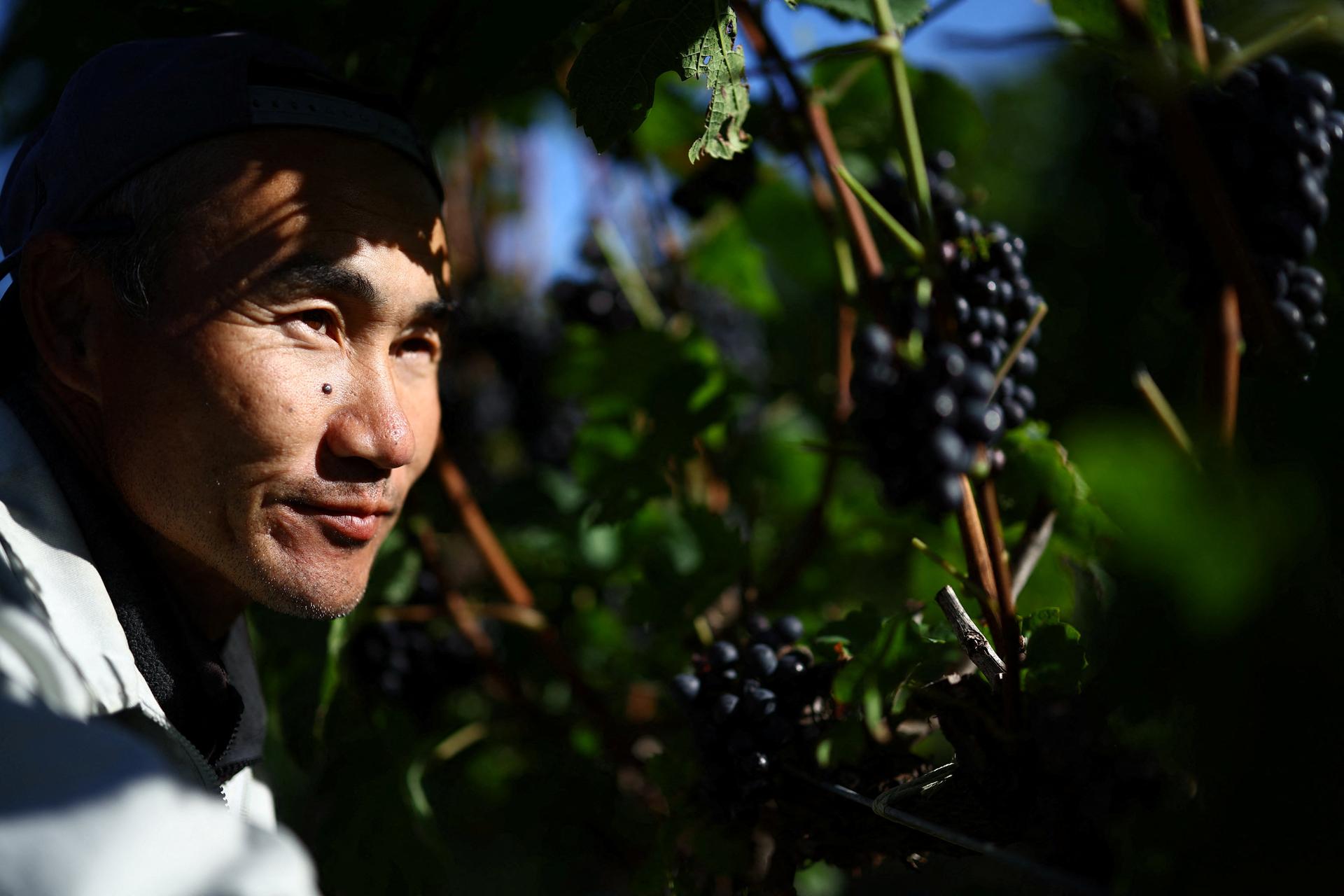
Yuichi Hirotsu, checks Pinot Noir grapes at his Hirotsu Vineyard in Yoichi on Japan's northernmost island of Hokkaido. REUTERS/Issei Kato |
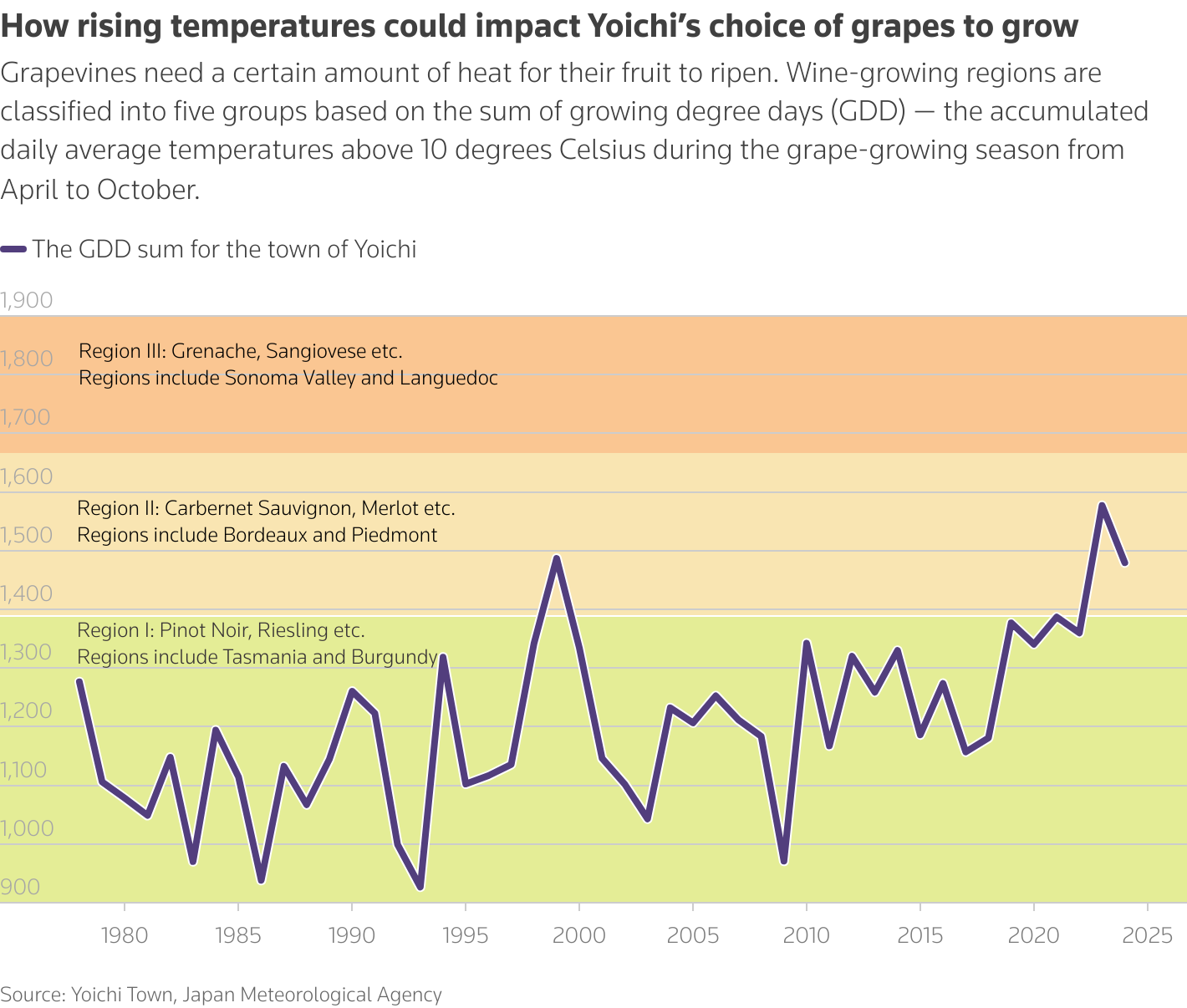
But Yoichi's farmers fret that even before the town's reputation has had a chance to be embraced by mainstream consumers, recent rapid gains in temperatures and potentially more rain during the harvesting season could mean that it will become difficult to grow the Pinot Noir grape. "It's like a roller coaster," said Domaine Takahiko owner Takahiko Soga, who founded his winery in 2010. Climates of wine-growing regions around the world are classified under the Winkler Index, which is calculated by adding daily average temperatures above 10 degrees Celsius (50 degrees Fahrenheit) or growing degree days (GDD) from April to October. Hokkaido has generally been viewed as having a Region I climate – the coolest of the five Winkler climate groups. But since 2023, Yoichi's GDD sum has nudged up into Region II territory, according to data from Japan's Meteorological Agency. |
|
|
Sustainable Switch was edited by Mark Potter. |
|
|
Sustainable Switch is sent three times a week. Think your friend or colleague should know about us? Forward this newsletter to them. They can also sign up here. Want to stop receiving this email? Unsubscribe here. To manage which newsletters you're signed up for, click here. This email includes limited tracking for Reuters to understand whether you've engaged with its contents. For more information on how we process your personal information and your rights, please see our Privacy Statement. Terms & Conditions |
|
|
|






0 comentários:
Postar um comentário