Has anyone in Britain had a good week? I mean, anyone? Even Radiohead kicked off a triumphant first tour in seven years with a deep-cut called "Let Down".
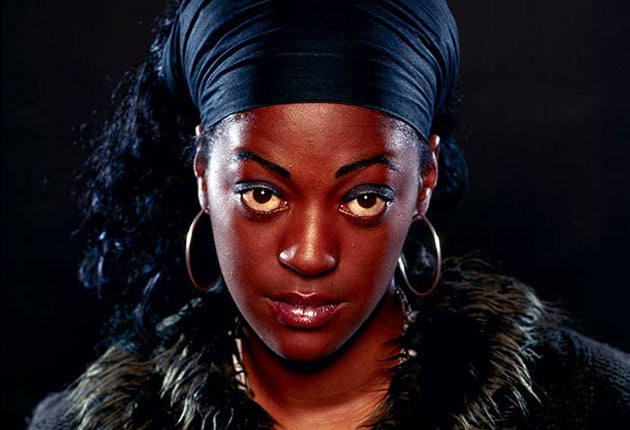
Deputy prime minister David Lammy filling in at PMQs was supposed to be a truly historic occasion, the first Black politician ever at the helm. But, said John Rentoul, it was "nothing short of disastrous".
Easily skewered by the repeating of a reasonable question from James Cartlidge ("the least well-known member of the shadow cabinet"), about "whether any other prisoners had accidentally been let out this week, Lammy's unexpected growing bluster left him "humiliated… having already made the mistake of forgetting to wear a poppy". It was Lammy at his calamitous worst, the reasons for which only became clearer later.
The Westminster week had started badly, with a live, breakfast-time broadcast by the chancellor Rachel Reeves, who wanted to warn us about what her second Budget is about to inflict upon the country's finances. But, as Sean O'Grady noted, it wasn't "alarm-clock Britain" she was talking to – those busy mums and dads getting kids ready for school before heading to work while it's barely light – this address was aimed firmly at City's bankers: "She knows as well as the markets do, but not yet the British people, that taxes will have to go up, and at such a scale that there's no alternative to hiking up income tax."
For Chris Blackhurst, Reeves had given a very public admission that she is not up to her job as chancellor. "The whole point was to soften the coming blow – holding her hand up, but also preparing to slap. In 22 days we will learn exactly what she was referring to, with 'we will all have to contribute to that effort [to rebuild Britain]' and that 'each of us must do our bit'. Gone is the pretence."
Simon Walters worried that such measures could be destabilising for the parlous British economy – and may even see Reeves going cap in hand to the IMF for a bailout, like her No 11 predecessor some 50 years earlier. "Like Reeves, Denis Healey had been in charge of the Treasury for just over a year. Like her, he blamed the previous Conservative administration. Like her, his first Budget had failed to put things right and, according to critics, made them worse. Which is how, in April 1975, Healey came to increase the basic rate of income tax from 33p to 35p in the pound."
Tory leader Kemi Badenoch had a particularly pithy verdict on Reeves's address. It was, she said, "one long waffle bomb" – which, for Rentoul, meant a "glorious new addition to the lexicon of political insults", worthy of sitting alongside "ominshambles", "clusterf—" and the like.
All of this week's political mudslinging seemed to bring out the worst in Robert Jenrick. Never one to be outdone, overlooked or outshone, the shadow justice secretary went on breakfast TV and, before the 7am news bulletin, dropped the S-bomb. Sean O'Grady said "effing and jeffing at this hour of the day is simply not on. It is not the same as, say, a late-night showing of A Clockwork Orange – which Jenrick, true to form, would likely claim is now more like a documentary about the hellscape that is Starmer's Britain."
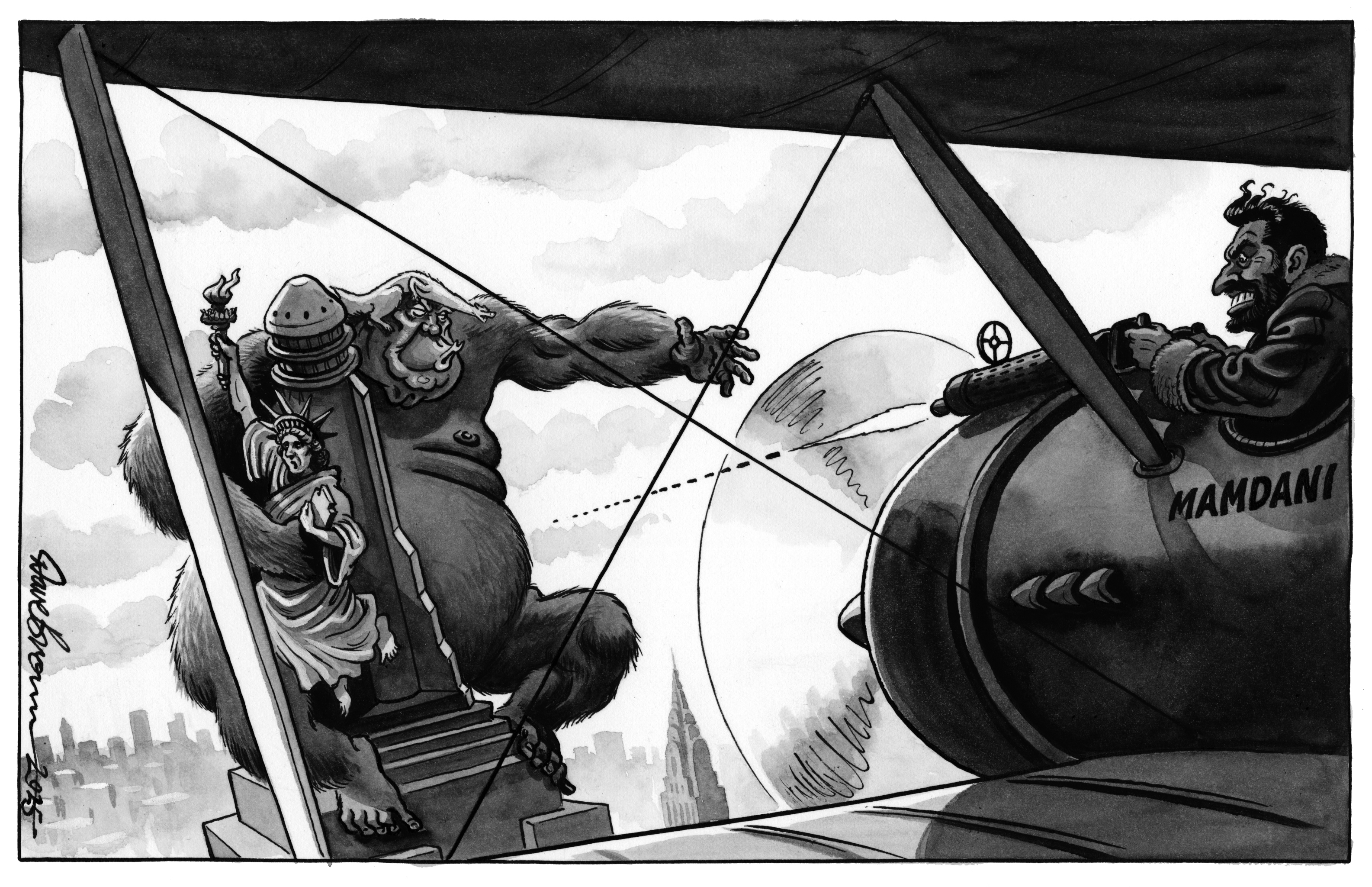
At least New Yorkers had something to celebrate. Perhaps. They have a new Democrat mayor-elect, a mostly unknown 34-year-old Zohran Mamdani. But his against-the-odds victory came with a note of caution from Mary Dejevsky, who wondered if it would now dupe the national party into picking another "democratic socialist" to run against JD Vance for the presidency in 2028. "While there are undoubtedly points for the Democratic Party mainstream to note, there have to be questions about how far Mamdani's victory could or should translate into a comprehensive template. Could he ever win in a different city, like Chicago?"
Time will tell if that's a case of looking for the cloud in every silver lining. In the meantime, could everybody please try and cheer up before next week?










0 comentários:
Postar um comentário