Hello! Today's newsletter focuses on the United Nations COP30 climate summit in Belem, Brazil as the annual conference comes to an end this week. Brazil failed to land an early COP30 climate deal on Wednesday, but President Luiz Inacio Lula da Silva remains hopeful about being able to achieve a deal before the summit ends. Usually, these negotiations tend to carry on for a few hours or days after the official end of the summit. Last year's COP29 deal was clinched a day after the summit ended. So, what are the big issues and why is there no agreement? Also on my radar today: |
|
|
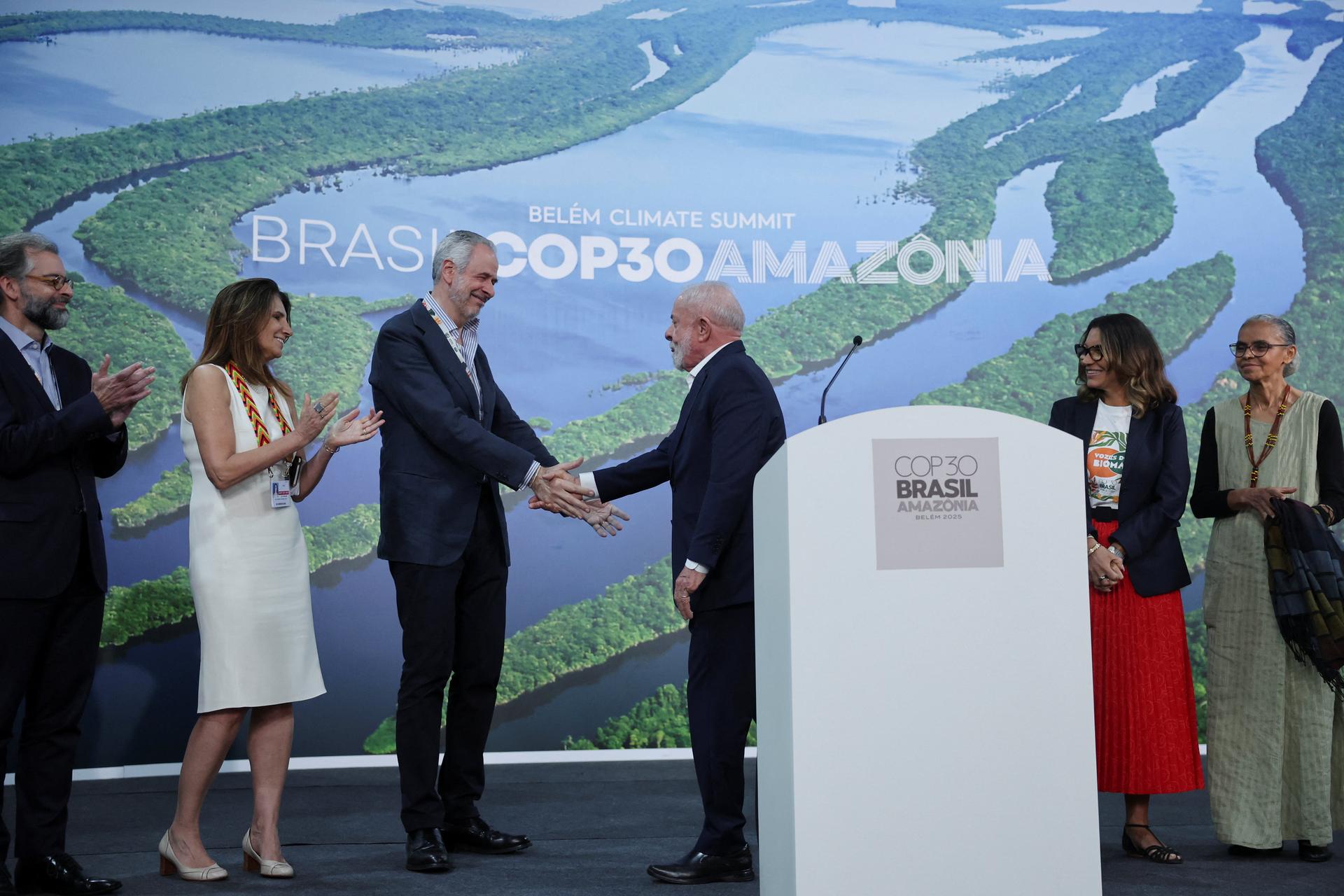
Brazil's President Luiz Inacio Lula da Silva and COP30 President Andre Correa do Lago shake hands as delegates react at the summit in Belem, Brazil. REUTERS/Adriano Machado |
What's the deal with no deal? |
The summit is supposed to lead to a final agreement on action points for countries to start implementing in order to achieve net zero. The deal covers some of the most divisive issues in the global climate talks, including fossil fuels and climate finance. A central issue in the COP30 talks is whether countries will agree to develop a "roadmap" setting out how the world will transition away from fossil fuels. Burning coal, oil and natural gas is the main source of the emissions heating the planet. The COP28 climate summit in 2023 agreed to this transition, but nations have not mapped out how, or when, it will happen. Other contentious issues in the package include pinning down how rich countries will provide financing to poorer countries to switch to clean energy, and what must be done about a gap between promised emissions cuts and those needed to stop temperatures rising. One diplomatic standoff about which country would host next year's COP31 was resolved. There was initially a stalemate in terms of choosing Turkey or Australia. Turkey will be leading the COP31 event next year, while Australia will lead the conference's negotiations among governments, Australian Prime Minister Anthony Albanese said. |
|
|
Who's causing the delays? |
Dozens of countries, including Germany, Kenya and Britain, have rallied behind a deal for a roadmap away from fossil fuels, but as of Wednesday, less than half of countries at the summit had publicly backed this idea. To bring more countries on board, the European Union submitted a proposal late on Wednesday. The proposal, reviewed by Reuters, said countries would offer a roadmap to manage the shift from fossil fuels guided by the best available science on climate change, but in a "non-prescriptive" way – meaning it would not impose specific obligations on individual countries. Ralph Regenvanu, the climate minister for the Pacific Island nation of Vanuatu, whose people have been impacted by rising sea levels it attributes to climate change, told Reuters Saudi Arabia was one of those opposed to plans to transition away from fossil fuels. Saudi Arabia, the world's largest oil exporter, did not respond to requests for comment. To wrap it up, today's newsletter focused on countries' climate governance, while the 'Talking Points' turned its attention to companies' governance. Keep scrolling for more. And a little reminder, if you're enjoying the stories featured in this newsletter, don't forget that a Reuters subscription gives you unlimited access to all stories and fewer ads. Plus, no surprise price increases and you can cancel anytime. Sign up here. |
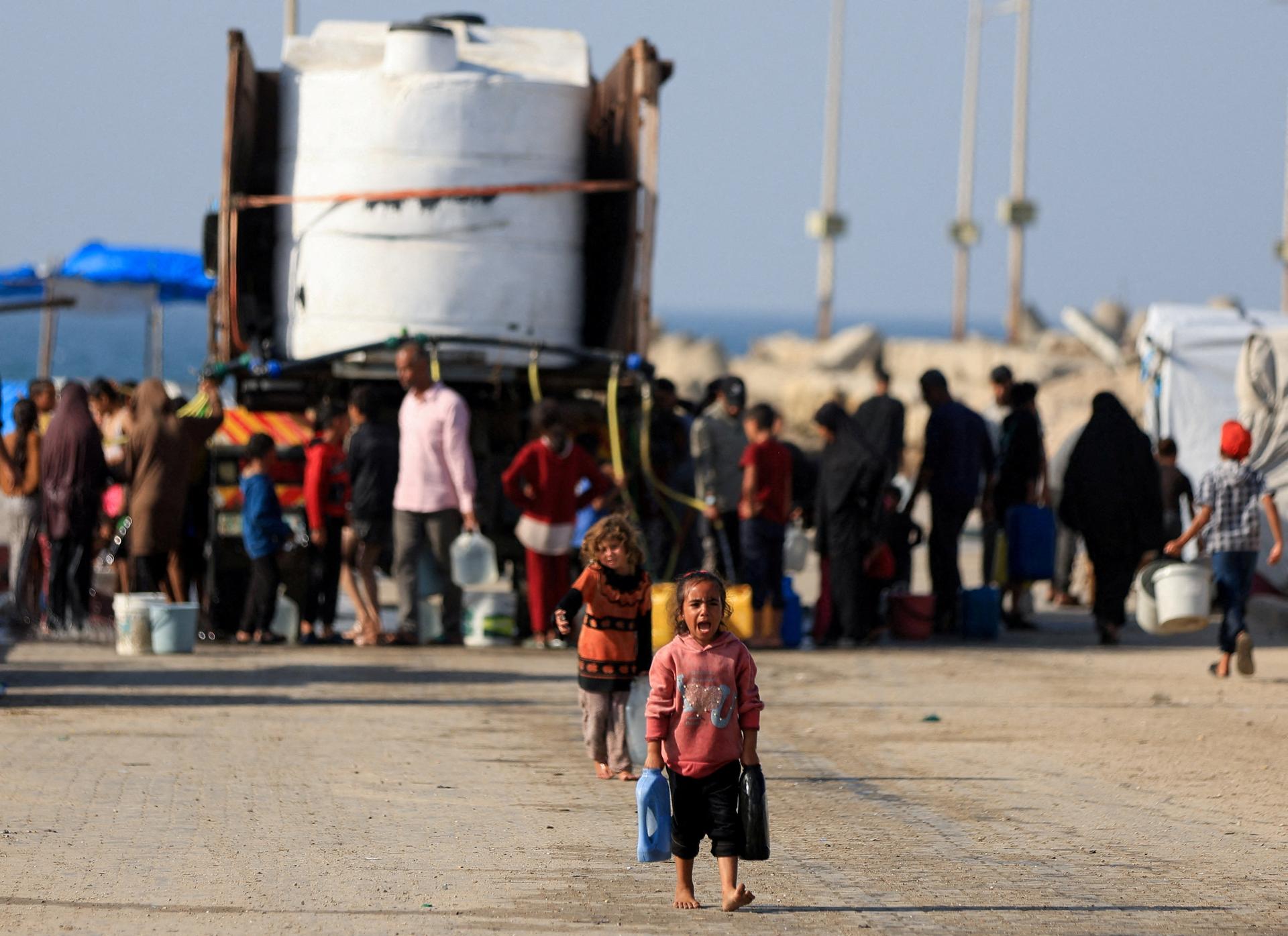
A Palestinian child carries water containers, amid a ceasefire between Israel and Hamas, in Gaza City. REUTERS/Dawoud Abu Alkas |
- Gaza water company protest: The Abdul Salam Yassin Company, a water desalination firm in the Palestinian enclave, has resumed its operations after a brief pause to protest the detention of one of its staff by Hamas – a move seen as a rare show of dissent against the group that has run the Palestinian enclave since 2007. The staff member has since been freed by Hamas-led security. The company apologized for what it said was a "misunderstanding" that led to the detention of its employee and affirmed its respect for the Hamas-led government in Gaza.
- Vinted child protection probe: Sarah El Hairy, France's child protection agency chief, has asked internet regulator Arcom to investigate second-hand clothes marketplace Vinted for allegedly failing to prevent minors accessing adult content after finding some classified ads on the platform that allegedly redirected all users, even underage ones, to websites with pornographic content. A spokesperson said Vinted does not allow members to use listings to promote adult website and will be taking action when they become aware of them.
- TAP Portugal corruption: Portuguese police searched the headquarters of flag carrier TAP and other companies as part of a 2023 investigation into suspected corruption in a complex aircraft leasing deal in 2015, the prosecutor general's office said. The prosecutor's office said it suspects that the leasing contract was part of an illegal scheme in which Airbus helped finance the acquisition of TAP in 2015, resulting in losses for the airline. A TAP spokesperson said the airline "does not comment on legal proceedings and fully cooperates with authorities in all investigations". Airbus: An Airbus spokesman said the company "does not comment on situations involving its client companies".
- EU's privacy and AI: The European Commission is on a mission to water down more of its regulations. Earlier this year, it "simplified" its two corporate sustainability rules through the EU's Omnibus initiative, narrowing down which companies fall under its scope. Now, the EU is doing the same with its tech laws. According to a draft of its 'Digital Omnibus' seen by Reuters, the new rules aim to allow tech firms to use personal data to train AI models based on legitimate interest without asking for consent, and delaying rules for high-risk AI systems by a year. Click here for the full report.
|
|
|
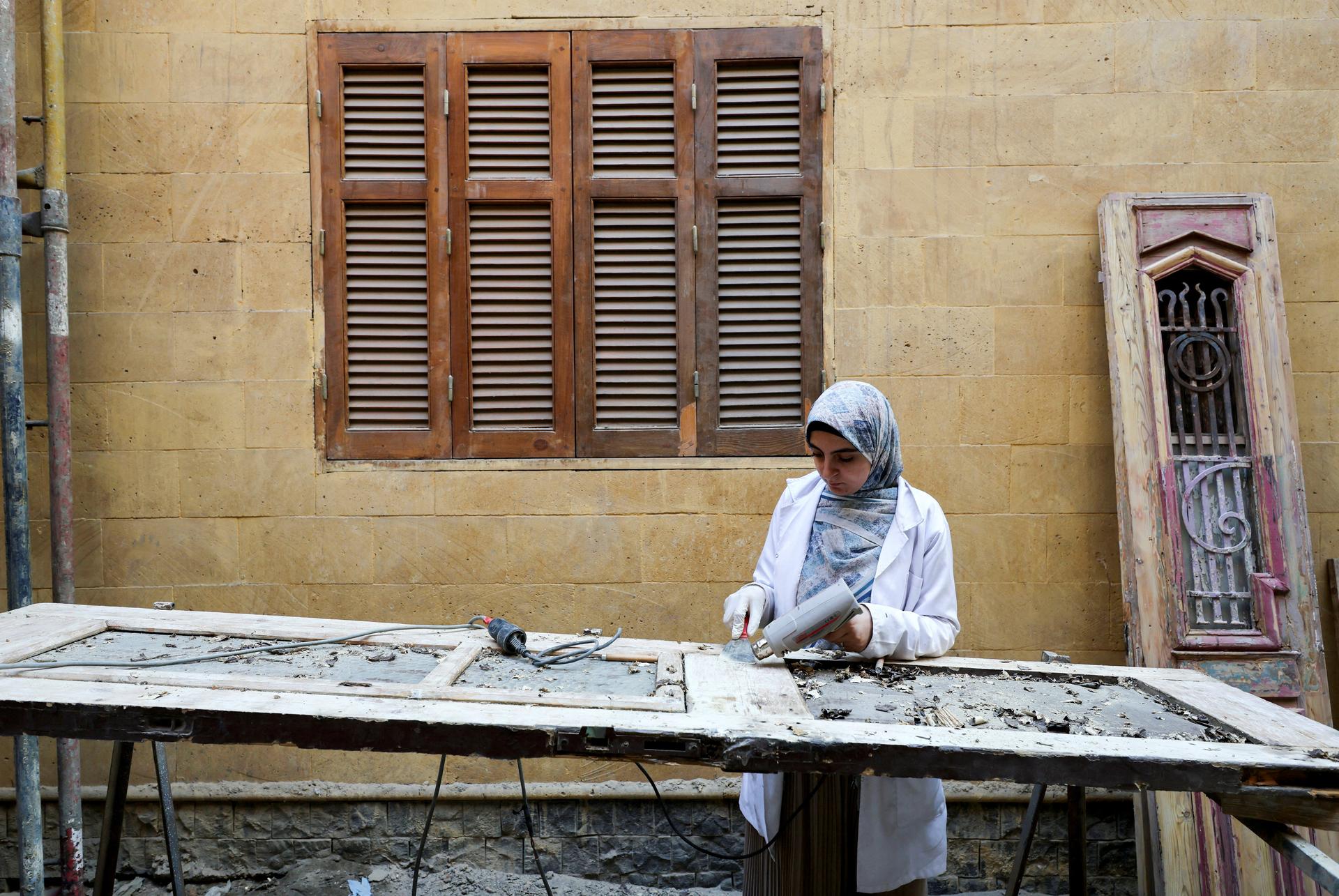
A restoration specialist works at the Darb al-Labbana restoration project to rebuild the historic yet dilapidated neighbourhood in old Cairo, Egypt. REUTERS/Mohamed Abd El Ghany |
Sustainable rebuilding is the focus of today's spotlight as Egyptian restorers are reconstructing a dilapidated neighbourhood in Cairo's historic centre, dismantling houses and then rebuilding them with materials from the old structures in a model they hope can be applied to other districts. Click here for the full Reuters story. |
|
|
Sustainable Switch was edited by Jane Merriman. |
|
|
Sustainable Switch is sent three times a week. Think your friend or colleague should know about us? Forward this newsletter to them. They can also sign up here. Want to stop receiving this email? Unsubscribe here. To manage which newsletters you're signed up for, click here. This email includes limited tracking for Reuters to understand whether you've engaged with its contents. For more information on how we process your personal information and your rights, please see our Privacy Statement. Terms & Conditions |
|
|
|






0 comentários:
Postar um comentário