Hello! It feels like I blinked and it was already the end of the year. There's so much to unpack before wrapping up this season. First of all, I'd like to thank all my dedicated 'Switchies' for sticking around, engaging with all the little Easter eggs I pop in and sending supportive messages throughout the year. You are all my beacons of light and hope. Secondly, I want to thank all the staff who work on this newsletter with me week after week – you are literally the best! And finally, please do subscribe to our website to get unlimited access to our amazing global sustainability reporting if you've found these insights valuable, which I think you have as you're still here. Right, now that the felicitations are out of the way, let's get right into it with a Sustainable Switch Wrapped. This year will be a little different as tomorrow's newsletter is still in play. With that in mind, I figured I'd split this year's 'Wrapped' into two – one for social and governance news today and the other for environmental news in tomorrow's Climate Focus. It's also due to the volume of extreme weather-related major events this year which would be good to unpack on its own. Before we get into it, here are some top ESG stories of the day: |
|
|
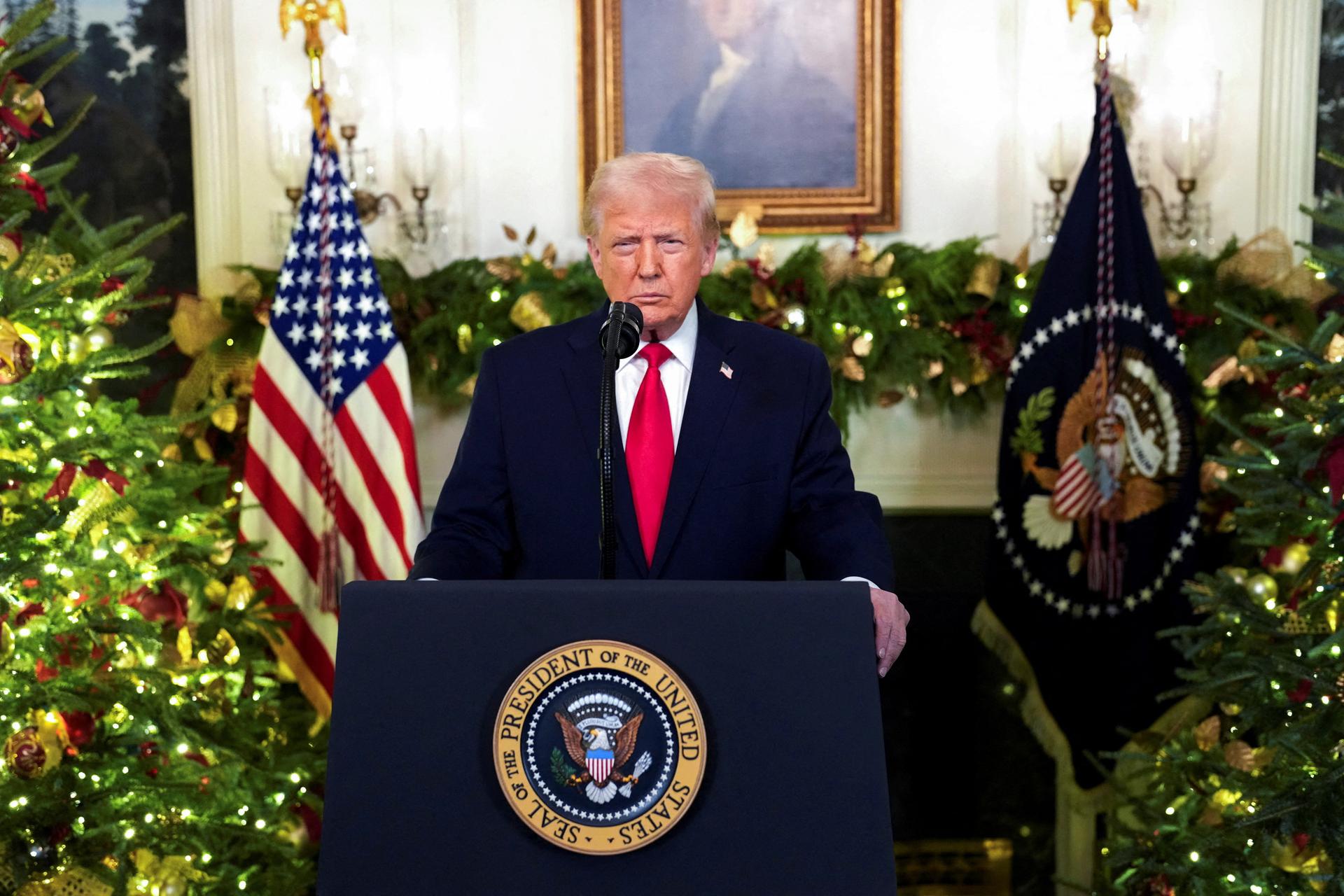
President Donald Trump delivers an address from the Diplomatic Reception Room of the White House, in Washington, D.C., U.S., Wednesday. Doug Mills/Pool via REUTERS |
So, what are the top stories in the social and governance space from this year? Instead of using the data of the most clicked this year, I'm measuring it by what has had the most impact. There was a clear throughline that began in the very first Switch of the year – U.S. President Donald Trump. On his first day in office Trump issued a series of executive orders to end diversity, equity and inclusion (DEI) programs, which attempt to promote opportunities for women, ethnic minorities, LGBTQ+ people and other traditionally underrepresented groups. He also called climate change the "greatest con job ever perpetrated on the world," during a speech at the United Nations General Assembly in September. There are also myriad legal cases in the Supreme Court awaiting judgement over ESG issues such as equality, abortion, immigration, LGBT+, employment and climate change that emerged after Trump's administration came into power. Click here to sign up to the Daily Docket to get all the latest legal news. There have also been quite a lot of Reuters special reports around the Trump administration this year from the cuts to staff after Charlie Kirk's murder to the federal judges that received death threats and harassment for ruling against the Trump administration in dozens of politically charged cases. Click here for the latest Reuters special report on the aftermath of Trump's mass pardons of the U.S. Capitol rioters as they harass, threaten and push for prosecutions of the federal lawyers who once helped convict them. |
|
|
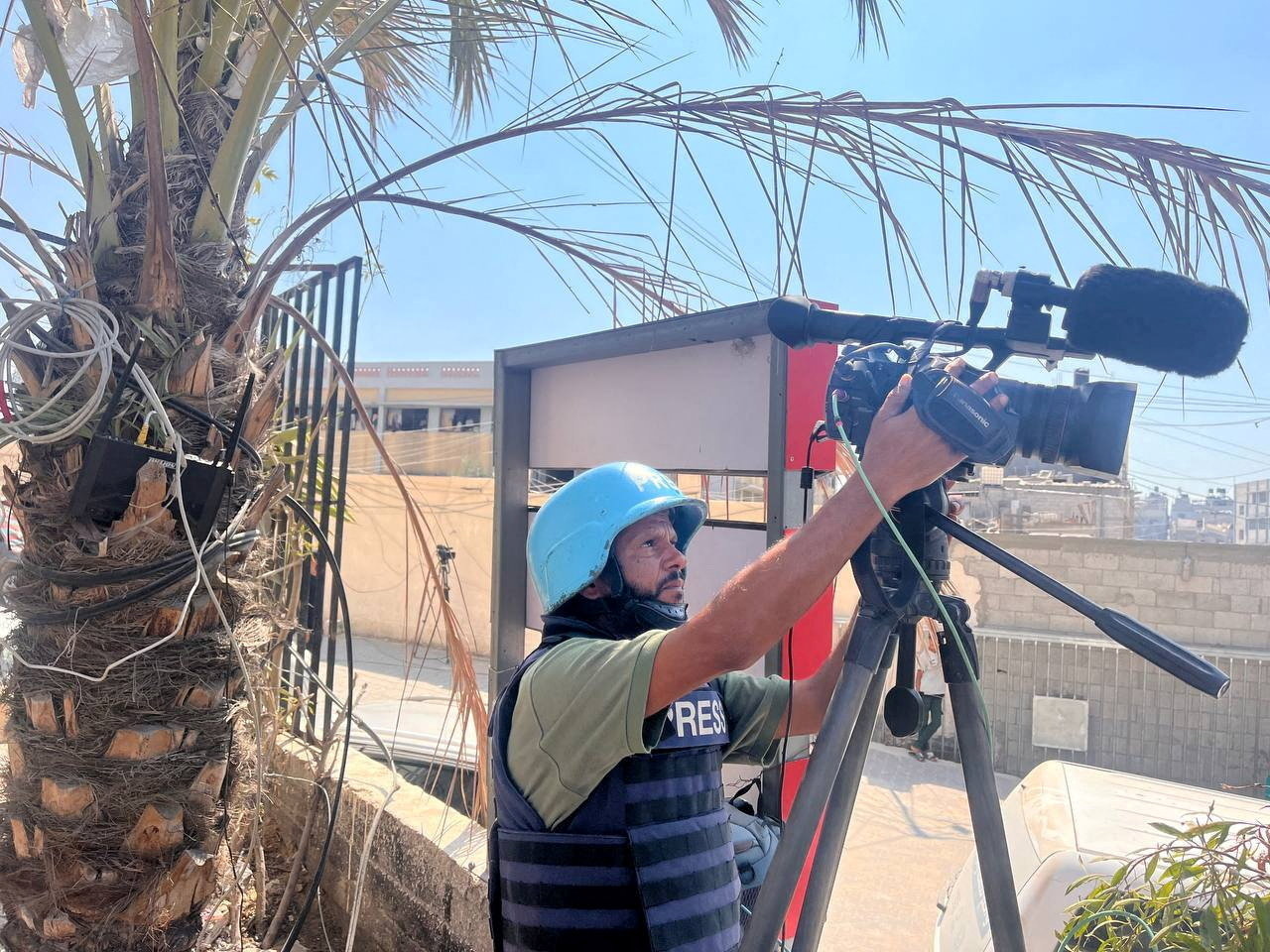
Reuters cameraman Hussam al-Masri was killed in Israeli strikes on Nasser hospital on August 25, 2025, in Khan Younis in the southern Gaza Strip. REUTERS/Stringer |
Choosing a top newsletter based on impact was easy as there was one that was especially difficult to write this year – the tragedy at Nasser hospital in the south of the Gaza Strip where an Israeli strike killed our colleague Hussam al-Masri. Photographer Hatem Khaled, also a Reuters contractor, was wounded. Hussam was killed while operating a live video feed at Gaza's Nasser Hospital. He was reporting on the war's civilian suffering while living in a tent and struggling to find food for his family. More than 260 media professionals have been killed in Gaza – the deadliest conflict for journalists in decades, according to a recent United Nations report. More than 500 have been wounded and Israel has arrested over 200 others. There was one special report on one family's story of terrible loss and fragile hope that has always stuck with me. Click here for a recap. |
|
|
Since I can never tell what might happen in the future, I get to outsource it. Here are some 2026 predictions from spokespeople at the Rights and Resources Initiative, a global NGO based in Washington, United States: "1. Rights-based climate action becomes the global baseline: With 160 million hectares pledged for protection and historic recognition of Afro-descendant Peoples in U.N. climate talks, countries will face pressure in 2026 to shift from symbolic commitments to enforcing tenure rights, Free, Prior and Informed Consent, and community governance. Expect more legal challenges, stronger rights movements, and scrutiny of carbon markets and conservation deals. "2. Indigenous & local leadership moves from 'included' to setting the agenda: 2025 saw the largest Indigenous presence ever at COP and the launch of global youth and livelihoods networks. In 2026, Indigenous Peoples and local communities, especially women and youth, are ready to drive debates on climate policy, finance, and land governance, not just react to them. "3. Critical minerals – the coming collision of supply, sovereignty & rights: 2026 will be shaped by a tightening minerals market (especially copper), rising resource nationalism, and explosive growth in new mining and processing sites, most on or near Indigenous lands. Africa and Latin America will be hotspots. Expect legal disputes, major land-claim battles, new Indigenous equity and co-governance models, and pressure on companies to prove "just transition" credentials. "4. Congo Basin becomes a central climate battleground: With $2.5 billion pledged under the Belém Call, 2026 will be a defining year for funding reaching local communities; whether protections extend to mineral-rich forests; and governance reforms tied to cobalt, copper, and timber supply chains. "5. Women's tenure rights & gender justice rise to the forefront: After COP30's renewed focus on equity, 2026 will spotlight women securing land rights as a climate and economic necessity, the growth of women-led enterprises in community forestry and conservation, and gender-inclusive legal and governance standards." |
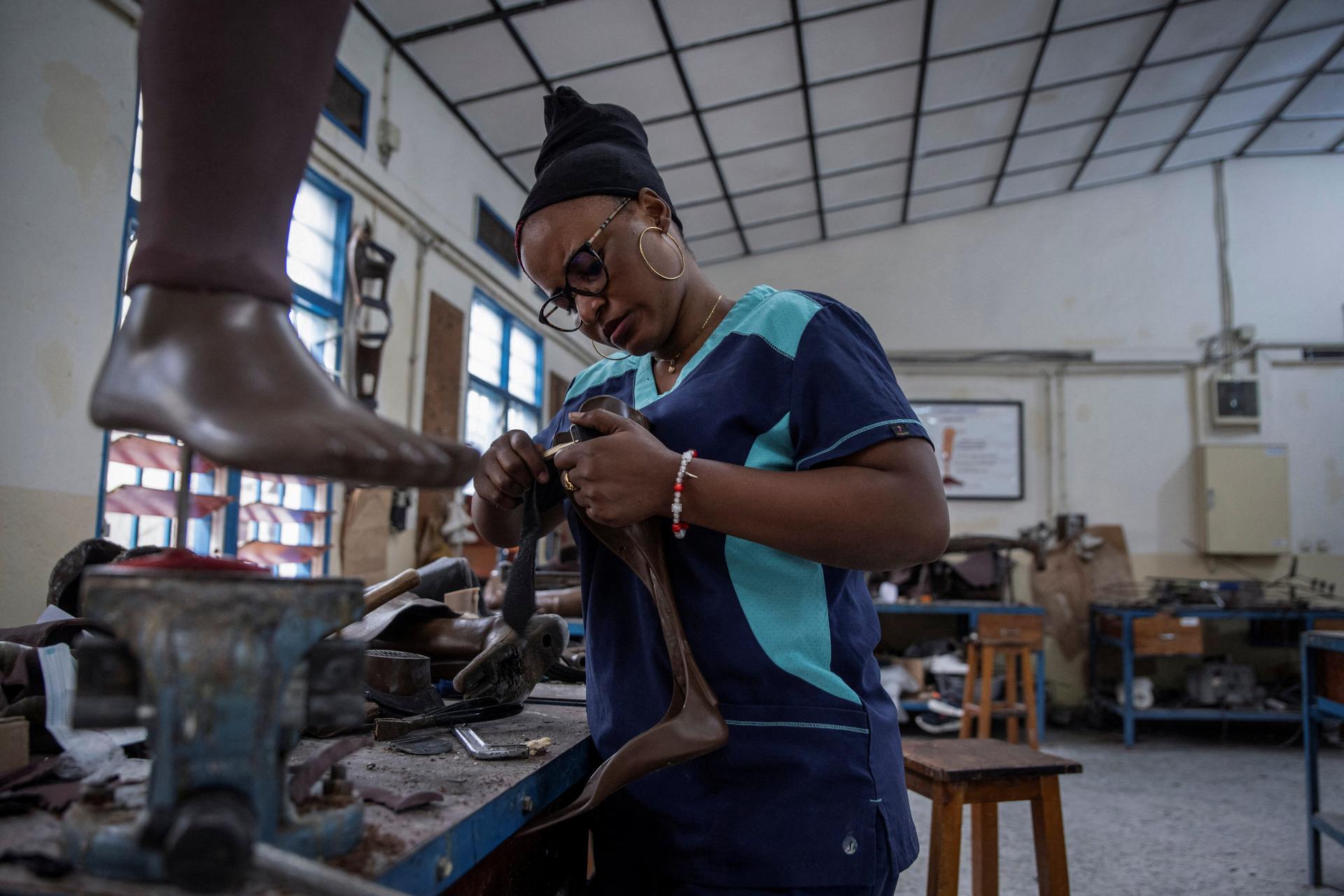
Ortho-prosthetist Wivine Kavira Mukata adjusts the orthoses of a patient at Shirika la Umoja orthopedic center, Goma, eastern Democratic Republic of Congo, REUTERS/Arlette Bashizi. |
This section of the newsletter always leaves me feeling hopeful and I hope it does the same for you too. This year's spotlight stories have been so refreshing, moving and empowering. There was one that I still think about during quiet moments and that's Wivine Kavira Mukata's story. She survived a bomb attack that hit her home in Beni, in eastern Congo's war-hit North Kivu province, but had to have one of her legs amputated. She then dedicated her life to designing artificial limbs as well as braces and splints for those who have suffered injuries like hers. Click here for a recap of that Reuters special report. That's a wrap from me on my top social and governance highlights of the year. It's not been an easy year, but there's still hope for a better tomorrow. Stay tuned for the Climate Focus wrap in your inbox on Friday. |
|
|
Sustainable Switch was edited by Mark Potter. |
|
|
Sustainable Switch is sent three times a week. Think your friend or colleague should know about us? Forward this newsletter to them. They can also sign up here. Want to stop receiving this email? Unsubscribe here. To manage which newsletters you're signed up for, click here. This email includes limited tracking for Reuters to understand whether you've engaged with its contents. For more information on how we process your personal information and your rights, please see our Privacy Statement. Terms & Conditions |
|
|
|






0 comentários:
Postar um comentário