You can replace this text by going to "Layout" and then "Page Elements" section. Edit " About "
Pague com LPs do Mister Colibri
Quer comprar celular,Tablet,pen drive, GPS e muito outros produtos e ainda podendo pagar tudo em LPs ?Pois saiba que isso é possível,basta você visitar o site downloadstotal.com e realizar a sua compra com toda tranquilidade e segurança!!!
Thanks for reading The Briefing, our nightly column where we break down the day's news. If you like what you see, I encourage you to subscribe to our reporting here.
Greetings!
Talk about raising the stakes. A day after Google parent Alphabet scared the market by projecting plans to double its capital expenditures to around $180 billion, Amazon went one better by announcing it plans to lay out $200 billion on capex this year, 56% higher than what it spent in 2025. Investors were just as unimpressed as they had been with Google: Amazon stock dropped as much as 10% in after-hours trading. That's despite the fact that, also like Google on Wednesday, Amazon reported solid fourth-quarter results—highlighted by a four-percentage point acceleration in its Amazon Web Services cloud unit's revenue growth to 24%.
Of course, market conditions couldn't have been worse: Investors have turned extremely risk averse in recent days, dumping tech stocks left and right as well as crypto (for more on the cryptopocalypse, see below) and even precious metals like gold on Thursday. In the past week, big tech names like Microsoft and Nvidia are down about 10%, while software stocks such as Salesforce, ServiceNow and Palantir have fallen between 10% and 20%, according to Koyfin. Conscious of investor worries about AI's costs, Amazon CEO Andy Jassy made an impassioned pitch on an analyst conference call Thursday evening as he described what he believed to be a "huge opportunity" represented by AI as more businesses figure out how to use it throughout their operations.
That's why, he said, he was "very confident" Amazon would earn a "strong return on investment" from its capex spending. But investors have a couple of worries. One is uncertainty about how much of the cloud industry's growing AI-related revenue is coming from OpenAI and Anthropic, which are both spending a fortune on cloud servers to develop new AI models. Amazon, for instance, is a key cloud provider for Anthropic, whose business has been exploding—which also means it is spending much more on Amazon's cloud services. And Amazon recently signed a deal to provide cloud services to OpenAI, which means it is also sharing in that cloud gravy train. Microsoft, Google and Oracle are each in a similar position.
Investors are always nervous about businesses that depend on a small number of customers, particularly when those customers don't yet make money! The other investor worry is how big tech firms will pay for their capex, as we've now gotten to the point where it is beginning to outstrip the cash thrown off by their businesses. Amazon generated $140 billion in cash from its operations in 2025 and spent nearly all of that on capex. Its 2026 capex projection looks likely to be well beyond its operational cash flow. Like Google, Amazon has started to borrow money to buttress its cash reserves and will likely have to borrow more before too long. You can't blame investors for being nervous.
Crypto's Meltdown
The Trump crypto euphoria is officially over. Bitcoin's 12% plunge today—to $64,130—erased all of its gains since President Donald Trump's election in 2024. Bitcoin is now down 44% from its peak last October.
The damage is widespread: Crypto exchange Gemini said Thursday it would cut 25% of its workforce. Michael Saylor's bitcoin-hoarding firm Strategy posted a net loss of $12.4 billion for the fourth quarter. Shares of Coinbase and Circle are down nearly 40% this year. Smaller tokens are crashing—the Trump memecoin has dropped 95% from its peak.
This bear market is different from others because it wasn't sparked by the dramatic blowup of a big player. Instead, the downturn began last fall when crypto investors began liquidating their positions to reduce debt. That fed a downward spiral. This week crypto has been caught up in a broader market sell-off.
Crypto people are used to cyclicality. But this time, there's tiredness and exhaustion in the market, because there's no obvious catalyst that could turn things around. After years of building crypto-related products, the only thing that has reached the mainstream are stablecoins—tokens backed by cash and treasuries—which are increasingly used in payments.
But other parts of crypto, such as decentralized social media platforms, have failed to gain traction. Kyle Samani, an early crypto evangelist, said yesterday he's stepping down from his crypto investment firm Multicoin Capital to explore other areas of tech such as AI.—Yueqi Yang
Today on The Information's TITV
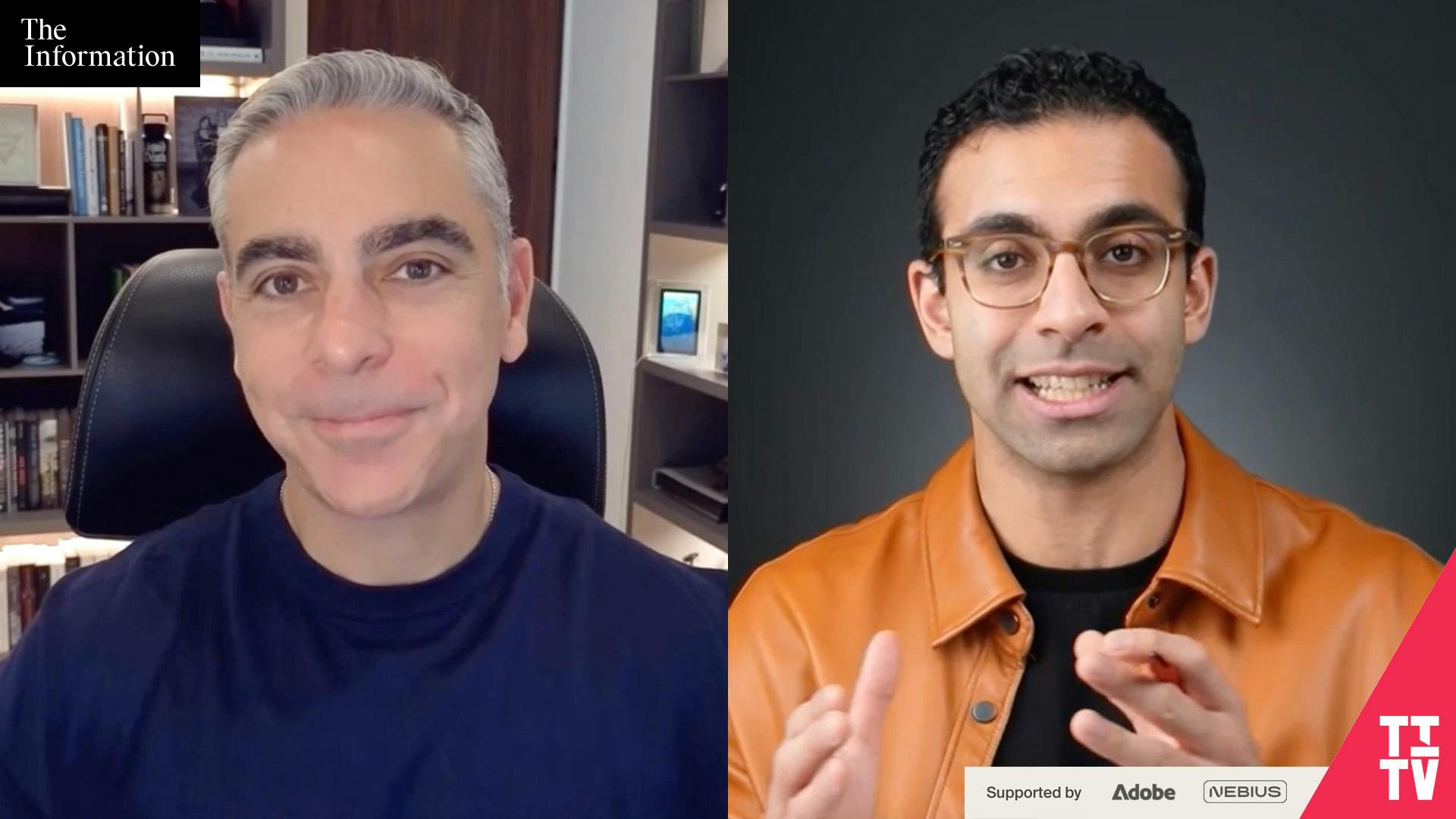
Check out our latest episode of TITV in which Akash sits down with former PayPal executive David Marcus to understand why the company has stalled.
In Other News
• OpenAI on Thursday unveiled a new platform for business customers to develop, run and manage AI agents that can take actions on behalf of employees, confirming The Information's reporting last month. OpenAI lists HP, Intuit and Uber, among others, as customers of its Frontier platform.
• Apple CEO Tim Cook acknowledged at an all-hands staff meeting on Thursday that some company employees were upset about the Trump administration's immigration crackdown.
Recommended Newsletter
Start your day with Applied AI, the newsletter from The Information that uncovers how leading businesses are leveraging AI to automate tasks across the board. Subscribe now for free to get it delivered straight to your inbox twice a week.
Join The Information for an intimate, two-day experience at Indian Wells, where tech leaders, investors, and innovators come together around a shared love of tennis. Request an invite today.









0 comentários:
Postar um comentário