The secret to better health for life |
|
|
Hello, and thanks for joining me on this new-look Well Enough newsletter – the first with my freckly face plonked at the top. As such, I should probably introduce myself: I'm Harry, a fitness coach, The Independent's senior fitness writer, and a huge fan of movement in all its forms. My approach to exercise is a bit different from the classic "suffer, sweat, shred fat" mantra often parroted elsewhere. I want to help people enjoy movement in a way that complements their life and reap the many benefits of doing so. That means you can expect this weekly newsletter to be filled with simple, realistic, and affordable tips – all drawn from my daily chats with leading coaches, trainers, researchers, academics, athletes, and more. In the newsletter this week: |
- A six-move kettlebell workout for building full-body strength and muscle sans-gym
- The benefits of Nordic and plant-based diets
- What we can learn from Helen Mirren's 1950s fitness routine
|
Our first stop is this six-move kettlebell workout, which recruits muscles across your entire body in just 20 minutes. The trainer who shared this session with me used it to maintain fitness while living in a converted van for a year. Upon returning to the gym, she found she had actually gained strength during her 12 months away – proof that small, consistent, and inexpensive fitness commitments can go a long way. This brings me to a recent interview with experienced trainer Paddy James, head coach at the Marchon Victoria gym in London, about the differences between training in your 20s and exercising after you turn 50. "Knowing what to prioritise in your exercise plans is like trying to fill a jar with sand and rocks," he says. "If we only have time to add a few things, and we want to fill it up as much as possible, we are going to move the rocks before we move the grains of sand." The sand? All the stuff that tends to be trendier and more expensive, but usually only makes an incremental difference to your health and fitness. And the rocks? Plenty of daily movement (i.e., walking), regular progressive strength training workouts, a nutritious and energy-appropriate diet, adequate hydration, and the best nightly snooze you can muster in this increasingly busy world – among a few other fundamentals. (This piece from last week, "Six things you can do for immediate results", provides a solid framework for nudging many of these factors in the right direction.) On the topic of sleep, a new study suggests the world isn't simply a binary split of early birds and night owls. Instead, people can be divided into one of five types of sleeper, with groupings determined by both sleep schedule and a series of characteristics that could have several implications for their health. Interestingly, and contrary to much previous research, early birds weren't always the gold standard for better health. Another critical pillar of health and fitness is diet. For the latest on this, The Independent's resident food expert Hannah Twiggs has you covered. This week, she explored the rise of the Nordic diet – a cold-weather competitor for the Mediterranean diet's healthy eating crown. "Think smoked fish instead of olives, rye instead of sourdough, berries instead of citrus," she writes. I experienced this during my first trip to Finland last year. After eating pickled everything, practically bathing in blueberry juice, developing a taste for rye bread, and enjoying the best salad of my life from a cardboard lunchbox (lettuce, strawberries, and boiled potatoes – who knew?), I left feeling surprisingly fresh and energised. Maybe I'll have to give this one a go. Hannah also interviewed former semi-pro footballer Jeffrey Boadi on the myths and merits of a plant-based diet for building muscle. So what's better – a Nordic diet or a plant-based diet? Training in a gym or with a kettlebell on the road? It depends. There are almost limitless methods for getting in shape, many of which have been hijacked to turn a profit in recent years. But they are all underpinned by a few fundamental principles. For example, if you want to build strength and muscle, challenge your body to lift progressively heavier loads over time – your muscles don't care if you are pressing a barbell or performing a press-up, so long as the task is challenging enough to trigger the desired response. For my parting thoughts, I once again defer to Paddy. "I feel very grateful and fortunate to understand a lot of the principles behind becoming fitter, growing stronger, and losing fat. Those principles will never go away," he tells me. "If your goal is to lose body fat, focus on moving a bit more and lowering your calorie consumption before looking at things like red light therapy or choosing organic vegetables. We want to focus on the big rocks." The key is to find a way to move the big rocks that matter, in a way you find doable and – dare I say it – fun. If you can do this, you've found the key to better health and fitness for life. Hope this helps! Harry |
| | I'm always up for a natter, especially on the topic of health and fitness. Whether it's your take on this week's talking points, a specific fitness question or ideas for a future edition, I would actively encourage you to email me at harry.bullmore@independent.co.uk. I'm keen to build a bit of a community here, which means you're as much a part of this newsletter as I am. Looking forward to hearing from you! |
|
|
I tried training like Helen Mirren |
|
| Last year, I tried the 10-move bodyweight workout Helen Mirren has used "off and on my whole life". It's taken from a 1950s booklet issued by the Royal Canadian Air Force, intended to help personnel stay fit for service with zero equipment. Despite it being 70 years old, I came away rather impressed. Why? Because it adheres to many of the principles we discussed earlier – the big rocks that will always stand the test of time. The routine raises your heart rate for cardio perks, tasks you to squat, jump, bend and twist to maintain mobility, and uses a series of progressive charts to ensure your progress doesn't plateau. It's also incredibly accessible. It isn't perfect – no workout is, really. But as a vehicle for helping people move more, a few weeks of this is likely to leave you feeling far better than you did when you started. |
|
|
The lasting legacy of three women who died from cancer |
Wednesday marked World Cancer Day, and this is a brilliant read from Radhika Sanghani about the legacy left by three young women who died from the disease. One of them, Jess Brady, was just 27 when she died of cancer in 2020, after her serious symptoms were initially mistaken for long Covid. When her mother, Andrea, eventually paid for a private consultation, Jess was diagnosed with stage 4 cancer. She passed away just three weeks later. One month on, Andrea launched a petition – Jess's Rule – calling on the government to ensure that GPs escalate cases if symptoms remain unresolved or worsen after three consultations. "We hope that Jess's Rule serves as a reminder to primary care clinicians about the rule of three, because we know that catching cancer earlier dramatically improves the chance of survival," Andrea says. |
| |
How to choose a lower-sugar bottle of wine |
As will become a running theme in this newsletter, small but consistent swaps can have a significant cumulative impact on your health. While science suggests no amount of alcohol can be considered "good for you", switching your regular tipple to a low-sugar option could present some perks around blood sugar regulation and weight management. In this feature, wine and spirits specialist Rosamund Hall walks you through how to choose a wine that's lower in sugar, without sacrificing on flavour. Cheers! |
| |
Make your daily steps go further |
|
|
| If you can spare 10 minutes, this trick is well worth trying. It comes from a new study published in Nature, which found that a brief walk immediately after a meal can help regulate blood sugar levels. I previously discussed this with Dr Elroy Aguiar, a researcher at the University of Alabama who specialises in the health benefits of walking. "Immediately after exercise, you get lower blood pressure and lower blood glucose," he explains. "That effect over years and decades is what prevents you from developing metabolic syndrome, diabetes and high blood pressure." He suggests it could even aid weight management. So, if you want to give your health a quick boost, try moving for 10 minutes after meals. |
| |
|
Building a more robust body at home |
|
|
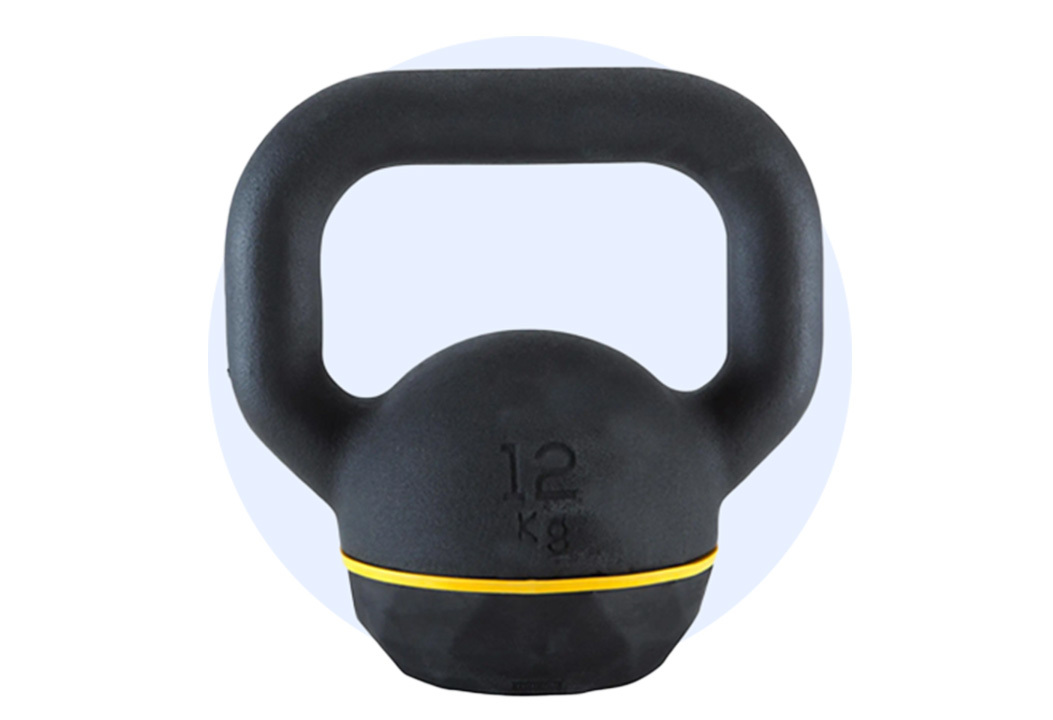
Kettlebells are brilliant – they represent an entire gym in a compact package that doubles as a doorstop. There's no need to overcomplicate it either: it's just a heavy metal ball with a handle attached. As long as there's enough room to hold the handle with both hands, and the shape nestles neatly between your shoulder and forearm in a front-rack position, you're golden. This Decathlon option is one of the best robust-yet-budget options on the market, although if I was really treating myself I would plump for this Bulldog Gear 'bell with slightly better ergonomics. |
|
| | The exercise I recommend trying this week is the goblet squat. Hold a weight – or a filled water bottle or rucksack – close to your chest with both hands, elbows pointing down, and then perform a squat. If you keep your chest up and let your elbows lightly brush the insides of your knees at the bottom, your body will naturally settle into an excellent squat position with minimal effort. Aim for three sets of 12–15 repetitions, resting for 60 seconds between sets, and repeat this twice a week to build stronger legs. |
| |
|
| A nutritious diet isn't defined by a single ingredient, but there are a few staples I always try to keep in my kitchen. One of them is beetroot, which is packed with essential vitamins and minerals. "Studies show beetroot can speed up recovery and improve endurance by helping muscles use oxygen more efficiently, enhancing high-intensity performance in intermittent sports like football and rugby," says clinical dietitian Dr Richard Allison. "Beetroot can also support cardiovascular health by lowering exercise-induced blood pressure spikes and contributing to an overall reduction in blood pressure." |
| |
|
| Modern life often involves a lot of sitting still. But based on recent research from his team at Brunel University, Dr Daniel Bailey shared with me the many benefits of incorporating some movement into your day every 30–60 minutes. This can be as simple as standing up, stretching, or walking to get a drink. |
| |
|
Something not to sleep on |
| | | Good sleep is key for a body that feels great and functions at its best – though it can be surprisingly difficult to achieve. Establishing a few consistent pre-bed rituals, such as dimming the lights, reading, or putting on your pyjamas in the hour before you plan to sleep, can signal to your body that it's time to wind down. Whoop's senior vice president of research, Emily Capodilupo, says these habits can help prime you for a solid night's rest. |
| |
|
I have a good gut feeling about this |
This week on the Well Enough podcast, Emilie Lavinia meets Dr Karan Rajan, a former NHS surgeon and author of This Book May Save Your Life. Together, they bust common fat loss myths, reveal the secrets of better gut health and discuss five "unsexy" pillars of health.
The episode is available to listen to here, with the full video online here.
|
|
|
- Stephen Graham transformed his physique in six months for A Thousand Blows – his trainer reveals how he did it
|
- Hang on, £15 salads – when did eating lunch at your desk become so expensive?
|
- This one-move workout from Anne Hathaway's trainer builds a stronger core in just three minutes
|
|
|
Join the conversation and follow me |
|
| Please do not reply directly to this email You are currently registered to receive the Well Enough newsletter from The Independent. To unsubscribe from the Well Enough newsletter from The Independent, or to manage your email preferences please click here. This e-mail was sent by Independent Digital News and Media Ltd, 14-18 Finsbury Square, London EC2A 1AH. Registered in England and Wales with company number 07320345
Read our privacy policy and cookie policy
|
|
|
|





0 comentários:
Postar um comentário