A newsletter by Reuters and Westlaw |
|
|
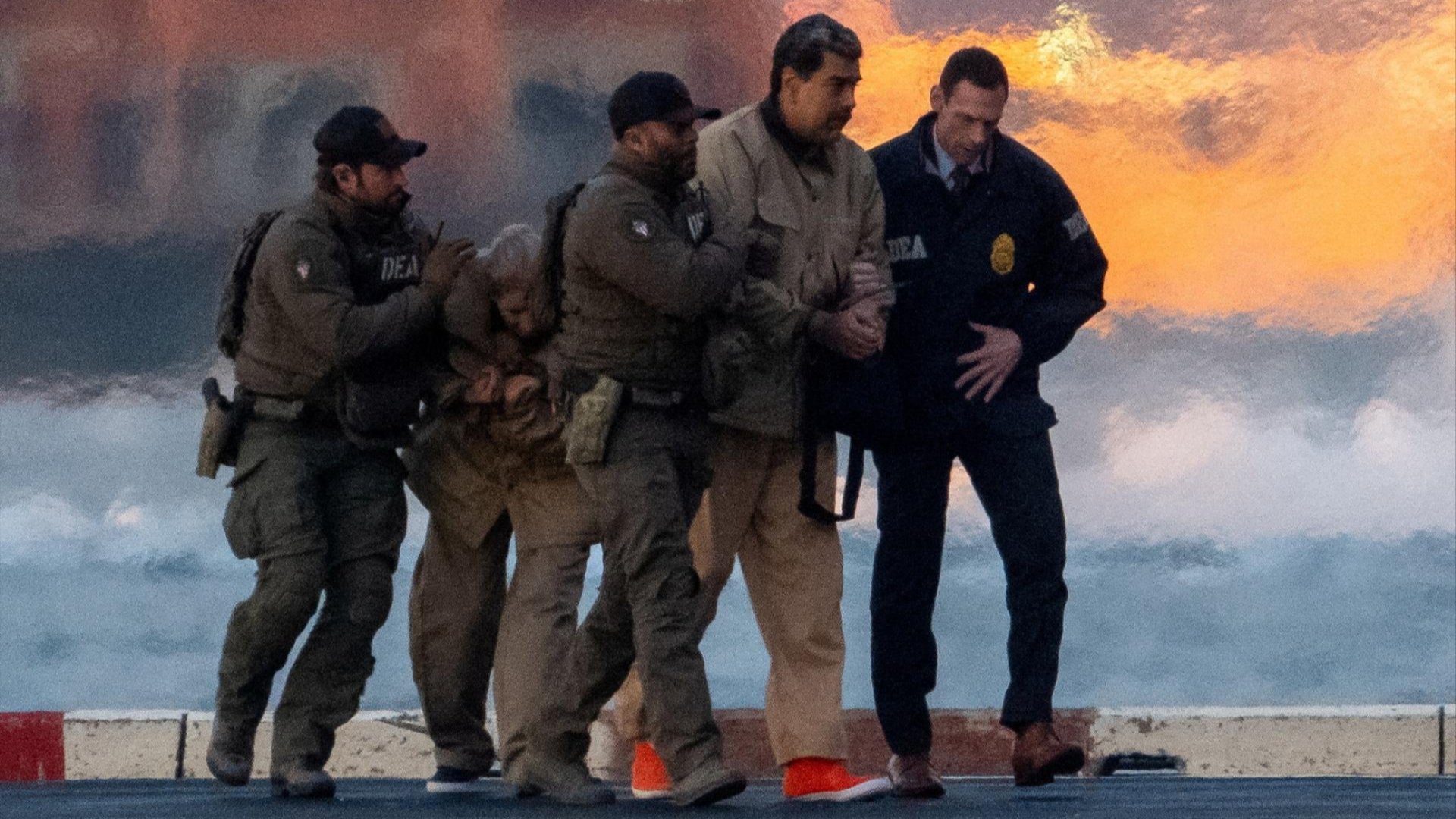
Ousted Venezuelan President Nicolás Maduro returns to a U.S. court today on criminal charges including narcoterrorism, a statute that has rarely been tested at trial and has a limited record of success. Here's what to know: |
- Prosecutors must prove Maduro knowingly linked alleged drug trafficking to terrorism, the statute's most demanding element.
- The 2006 statute at issue, enacted to target drug trafficking tied to activities the United States considers terrorism, has produced just three trial convictions, a Reuters review of federal court records shows, and two were later overturned over issues stemming from witness credibility.
- The mixed record highlights what could be a central challenge for prosecutors in the Maduro case: persuading jurors that evidence from cooperating insiders credibly establishes a knowing link between alleged drug crimes and terrorism.
- The case may hinge on cooperating witnesses, including former Venezuelan military officials charged alongside Maduro.
- Luc Cohen has more analysis here.
|
|
|
- Immigration: U.S. District Judge Brian Murphy in Boston will consider whether to block the Trump administration from ending protections from deportation that had been granted to thousands of Ethiopians living in the United States. In January, Murphy put a temporary pause on ending the protections.
- IP: The NCAA will ask U.S. District Judge Tanya Pratt in Indianapolis for a temporary restraining order that would block sports-betting site DraftKings from using trademarks related to the "March Madness" college basketball championships.
- Government: U.S. District Judge Lance Walker in Maine will consider whether to dismiss a lawsuit by the DOJ over what it described as the state's failure to provide information regarding voter list maintenance procedures and electronic copies of statewide voter registration lists.
- Government: U.S. District Judge Mary McElroy in Rhode Island will consider whether to dismiss a lawsuit the DOJ filed after the state refused to turn over its voter registration list to the Trump administration.
|
Court calendars are subject to last-minute docket changes. |
|
|
- Kara Westercamp, a White House lawyer nominated by President Trump to serve on the same court hearing litigation over his tariffs, apologized for her past social media posts in which she criticized U.S. senators and spoke out about "controversial" topics like the January 6, 2021, attack on the U.S. Capitol.
- Elon Musk asked a Delaware judge to step aside from a pair of shareholder lawsuits against him and Tesla, saying she showed bias in her "support" of a LinkedIn post mocking him and his lawyers after a separate jury verdict went against him in California.
- Kristen Clarke, who led the DOJ's civil rights division under President Biden, joined the NAACP as general counsel as the largest U.S. civil rights group looks to counter what it describes as escalating attacks on voting rights.
- David Ogden, a former top DOJ official during the Obama administration, left WilmerHale to join Democracy Defenders Fund, one of the most active advocacy groups leading lawsuits challenging Trump administration policies.
|
|
|
—That's how much legal software firm Harvey was valued at in its latest round of funding. Harvey raised $200 million and will use some of the funds to expand its AI agent as investor appetite for AI tools accelerates. Read more here. |
|
|
The Federal Employees Liability Reform and Tort Compensation Act of 1988, often known as the Westfall Act, gives federal employees immunity for common law torts, or private wrongs, they commit in the scope of their employment. Negligence is one such private wrong. Though the federal government enjoys sovereign immunity from many lawsuits, it can through the Federal Aviation Administration be held responsible for air traffic controllers' negligence through the Federal Tort Claims Act. Jonathan Stempel has more here. |
- SCOTUS: In a 9-0 ruling, the U.S. Supreme Court found that Cox Communications cannot be held liable for piracy by its internet service subscribers of songs owned by Sony Music, Warner Music Group, Universal Music Group and other labels, ending their billion-dollar-plus music copyright lawsuit. Read the opinion.
- Health: A Los Angeles jury found Google and Meta liable in a landmark social media addiction lawsuit. The outcome could influence thousands of similar cases against the tech companies brought by parents, attorneys general and school districts. Read more about the verdict here.
- Immigration: The 8th Circuit became the second appeals court to uphold the Trump administration's policy of subjecting people arrested in its immigration crackdown to mandatory detention without the chance to be released on bond, in a ruling that will affect numerous cases in Minnesota and six other states. Read the opinion.
- SCOTUS: The U.S. Supreme Court once again waded into a legal battle over who qualifies for an exemption from having to arbitrate work-related legal claims, taking up a case involving a "last mile" driver for the maker of Wonder Bread. Read more about the oral arguments here.
- Immigration: The Trump administration has informed a federal court that it has deported about 6,000 Cubans to Mexico under an "unwritten" agreement by Mexico to accept them, prompting U.S. District Judge William Young in Boston to demand details and question whether the deal was a "secret." Read Young's order.
- First Amendment: The Trump administration agreed to a settlement that will bar three federal agencies from pressuring social media companies to remove or suppress speech, ending a high-profile lawsuit that reached the U.S. Supreme Court when Trump's predecessor Joe Biden was president. Read the filing.
- Environment: Maryland's highest court has rejected efforts by three municipal and county governments to hold major oil and gas companies including Exxon Mobil, BP and Chevron responsible for helping cause climate change. Read the ruling. The decision came as the U.S. Supreme Court prepares to consider whether similar cases should be allowed to proceed in other states.
- Finance: U.S. District Judge Margaret Garnett in Manhattan dismissed a lawsuit accusing the mutual fund giant Fidelity of cheating many investors in its $439.1 billion Fidelity Government Money Market Fund by keeping them in higher-cost share classes than they were eligible for.
|
|
|
A legal battle unfolding in New York combines an Old Master painting, a modern family drama, and the common law rule that a thief can't pass good title. The artwork in question is a 15th-century Fra Angelico masterpiece. The family are heirs to the Bic pen fortune. And the alleged thief? A former chauffeur, who allegedly acquired the painting 20 years ago under questionable circumstances. Jenna Greene has the details in On the Case. |
|
|
McDermott's Sagar Ravi and Joe McClure examine a recent court ruling which held that communications with a publicly available generative AI platform are not protected by attorney-client privilege. Read today's Attorney Analysis. |
Additional writing by Shruthi Krishnamurthy. |
|
|
| | | | | The Daily Docket is sent 5 days a week. Think your friend or colleague should know about us? Forward this newsletter to them. They can also sign up here. Want to stop receiving this email? Unsubscribe here. To manage which newsletters you're signed up for, click here. This email includes limited tracking for Reuters to understand whether you’ve engaged with its contents. For more information on how we process your personal information and your rights, please see our Privacy Statement. Terms & Conditions | | | | | © 2026 Thomson Reuters. All rights reserved.
3 Times Square, New York, NY 10036 | | | |
|
|
|






0 comentários:
Postar um comentário