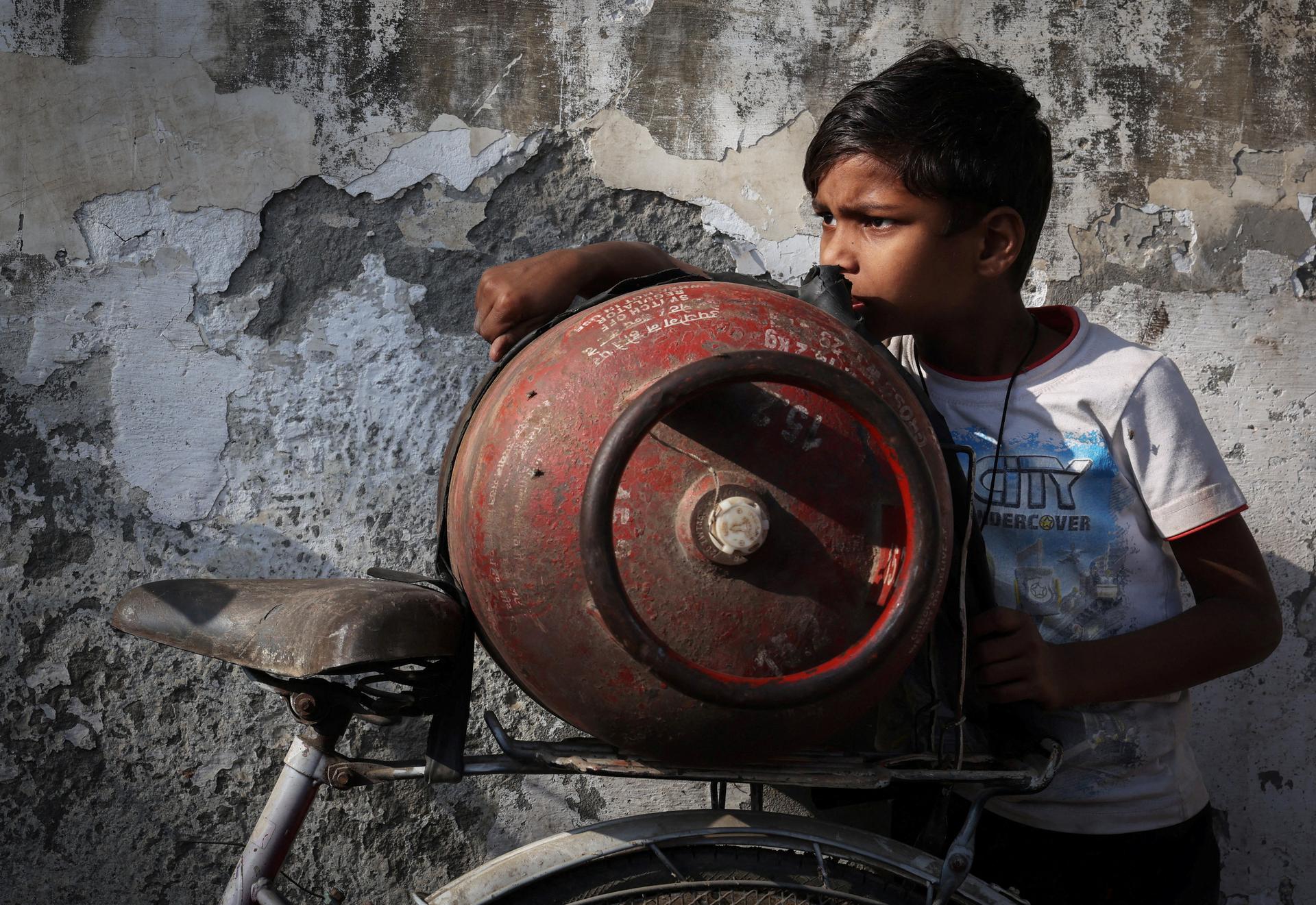
A conflict thousands of kilometres away is suddenly dictating what households can cook and what restaurants can serve as LPG supplies tighten across India.
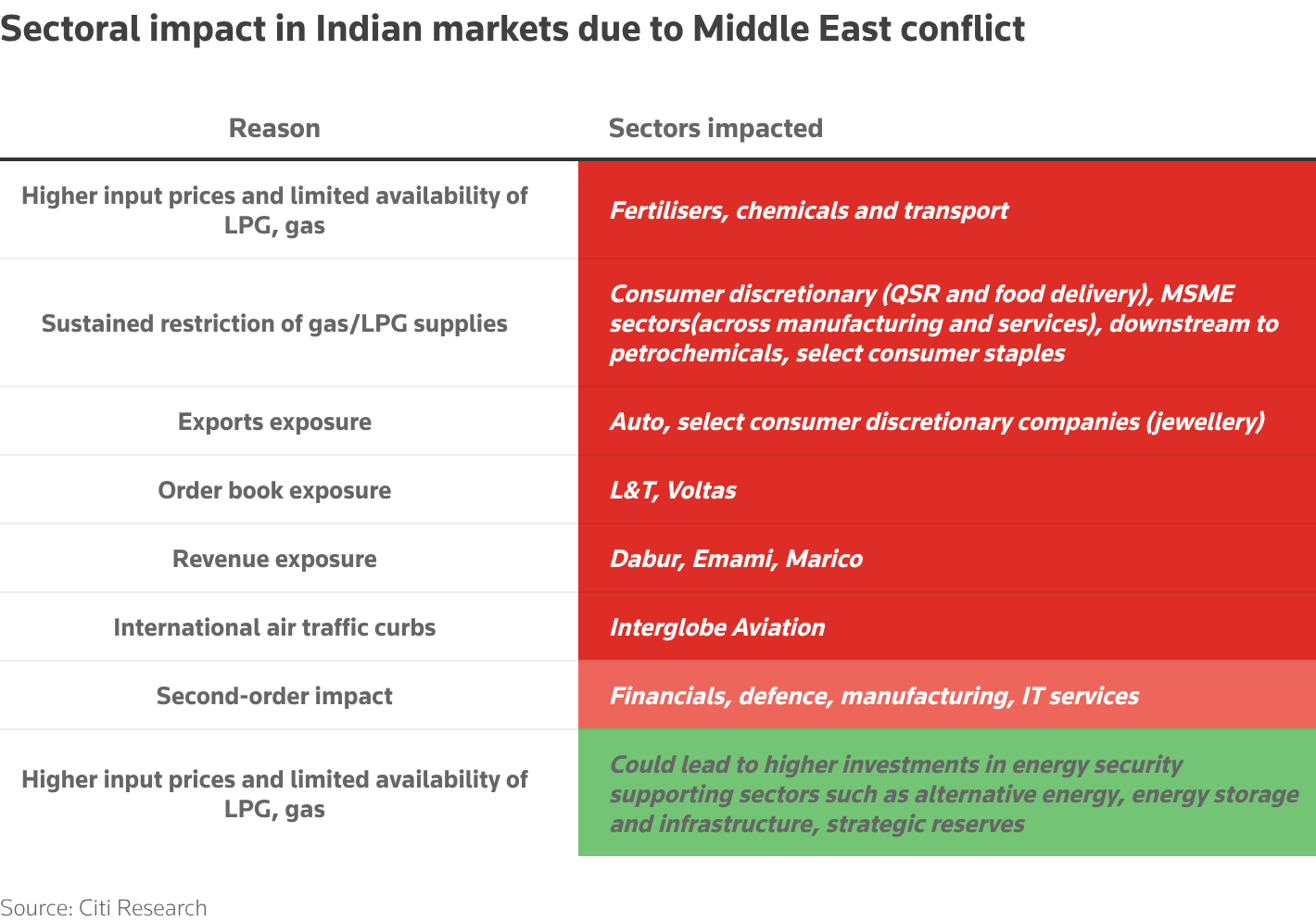
The U.S.-Israeli war with Iran has disrupted shipping through the Strait of Hormuz, a critical route handling about a quarter of daily sea-borne energy supplies, including those bound for India, resulting in the South Asian nation's worst gas crisis in decades.
New Delhi has invoked emergency powers, directing refiners to maximise LPG production after state-owned Indian Oil Corp raised the price of a standard 14.2 kg household LPG cylinder by 7% in Delhi, the first increase in about a year.
The government also restricted LPG supplies for industry to ensure households have enough gas for cooking.
Restaurants nationwide are warning of disruptions as commercial gas cylinders become harder to secure.
"We have LPG stock for two days. We are working on contingencies," said Bert Mueller, founder of Mexican food chain California Burrito. "We are conserving gas and installing induction stoves at certain stores."
Hostels and factory canteens are simplifying meals to stretch limited fuel supplies. Read here how paying guest facilities are tackling the issue in Bengaluru.
Also read our last India File edition, which showcases how Indian companies have found themselves in the crosshairs of the war.
Meanwhile, households are taking their own precautions, with daily booking requests for LPG cylinders spiking as people rush to secure refills.
"Panic booking and hoarding behaviour have been driven by misinformation," said Sujata Sharma, joint secretary at the oil ministry, in an appeal for calm.
Retailers report a surge in demand for induction stoves and electric cooking appliances as households look for backup options. Read here how online searches and sales of induction cooktops have jumped sharply.
Preliminary data suggests the supply chain dislocations are already reshaping consumption patterns: State fuel retailers sold about 1.15 million tonnes of LPG in the first half of March, down 17% from a year earlier and 26% from the previous month.






0 comentários:
Postar um comentário