Hello!
Today's newsletter covers the "renewable paradox at play", according to one chief investment officer.
The U.S.-Israeli war against Iran and the related surge in fossil fuel prices have driven some politicians to push for more renewable energy in Europe.
But market volatility, an expected rise in interest rates and sluggish permitting are making investors wary.
Nearly a month into the conflict that caused the biggest energy market disruption in history, countries reliant on oil and gas imports are seeking alternatives and trying to scale up green energy to ensure supply security for the future.
"There's a renewable paradox at play," said Luca Moro, chief investment officer at energy transition fund SpesX, as higher power prices boost earnings but higher capital costs can "undermine project economics".
While the longer-term shifts are clearer, the shorter-term picture is mixed.
Right now, surging prices - crude is up more than 50% and gas more than 60% since the war began at the end of February – are driving up inflation and interest rate expectations.
In the long term, the European Union's Grid Package, designed to fast‑track projects, and an additional 75 billion euros ($87 billion) in clean‑energy financing from the European Investment Bank will provide further support.
Europe's politicians already sought to scale up renewables - which was already a priority because of the Ukraine war. But much will depend on how quickly they allow new projects to go ahead.
The bloc aims to conclude talks to speed up the pace of permitting for grids, renewables, storage and recharging stations by the end of the year, as deployment rates are well behind target.
Analysis by trade group SolarPower Europe last July said permitting delays can be as long as four years. A report by its peer Wind Europe in February this year said permitting was getting slower in most of the bloc.
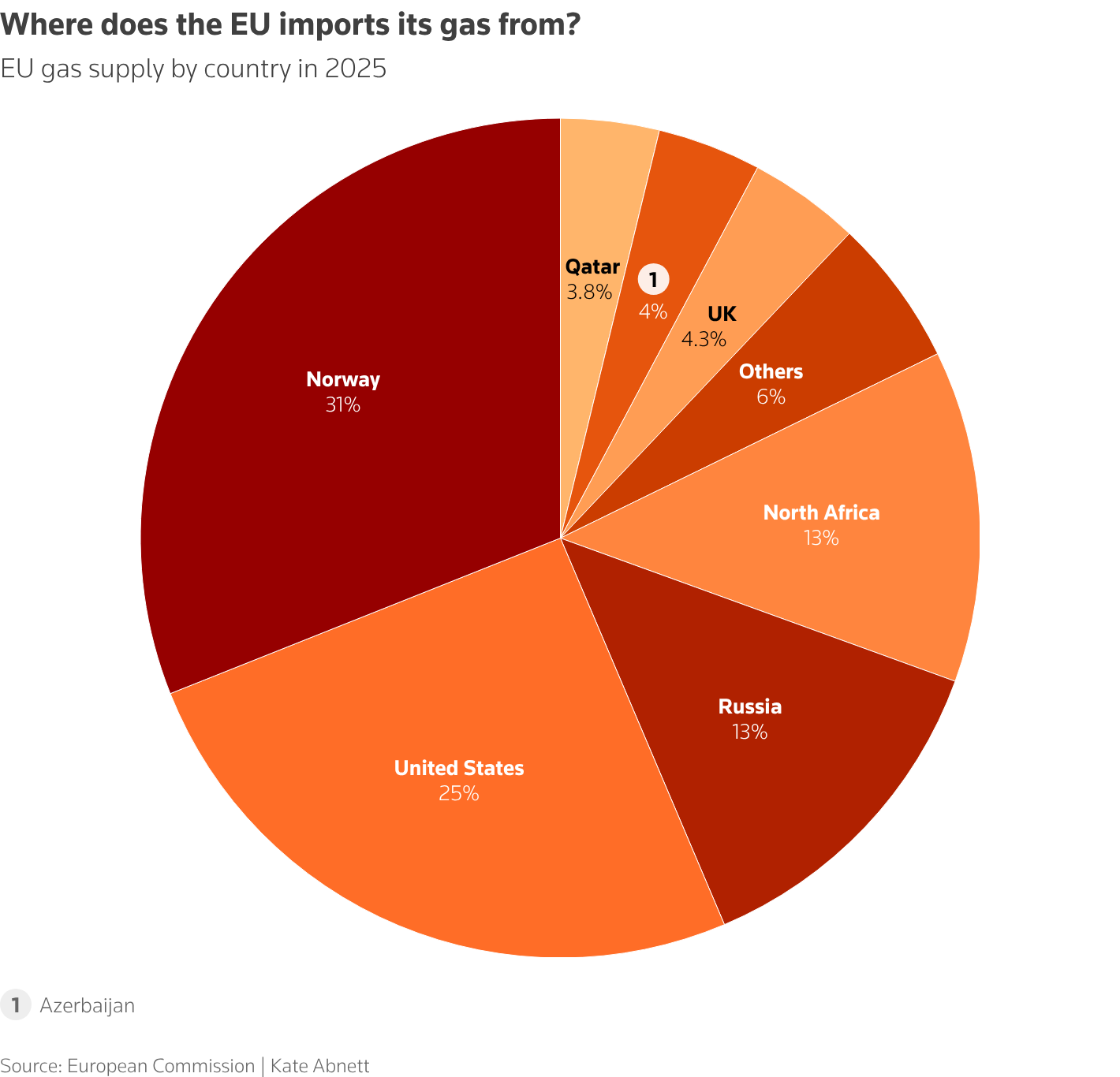
Click here for a detailed comment piece on this paradox by Reuters' energy columnist Ron Bousso. He writes about Europe's greater renewables capacity and a more diverse pool of gas supplies compared to four years ago, but how the region still enters this crisis with a heavy dependence on oil and gas imports.








0 comentários:
Postar um comentário