Greetings from New Delhi! A key global shipping route is in disarray since the start of the Iran conflict, and that is hitting the luxury car market on multiple fronts. Second-hand Lamborghinis and Ferraris, bound for Dubai from Japan, are stranded at a port in Sri Lanka because ships are unable to dock in the Middle East. Why? The Strait of Hormuz, a key shipping waterway, is out of bounds. Meanwhile, luxury carmakers like Bentley are bracing for an impact on their profits as the lucrative Gulf market moves out of reach. Though relatively small in terms of sales, the Middle East is more important for profits because of its demand for bespoke models with mother-of-pearl inlays and gold-leaf finishes that fetch higher prices. Which brings us to today's Auto File… |
|
|
Lamborghinis, Ferraris are stranded in Colombo - REUTERS/Yves Herman/File Photo |
Luxury cars adrift in used-car trade shock |
The ripple effects of the Middle East conflict are now spilling into an unlikely corner of the auto industry - Asia's sprawling used-car export trade. Shipments of high-end vehicles, including Lamborghinis and Ferraris, are stranded across ports in Sri Lanka and China after vessels were unable to reach Dubai, a key hub for Middle Eastern buyers. You can read all about it here. The disruption stems from shipping bottlenecks triggered by the near-closure of the Strait of Hormuz, a key shipping route between Iran and Oman and the only way to get by sea to Dubai. This is forcing cargo diversions and clogging alternative ports. One Japan-based exporter said a shipment of more than 500 vehicles was left idling at sea for over 10 days before finally docking in Sri Lanka, after congestion caused by rerouted cargo from the Gulf. The impact is cascading across a trade that is both fragmented and highly exposed to Middle Eastern demand. Japan and South Korea together exported roughly $19 billion worth of used cars last year, with the UAE alone accounting for about 15% of Japan's volumes. For many exporters, Dubai is not just a destination but a redistribution hub to Africa and beyond. |
|
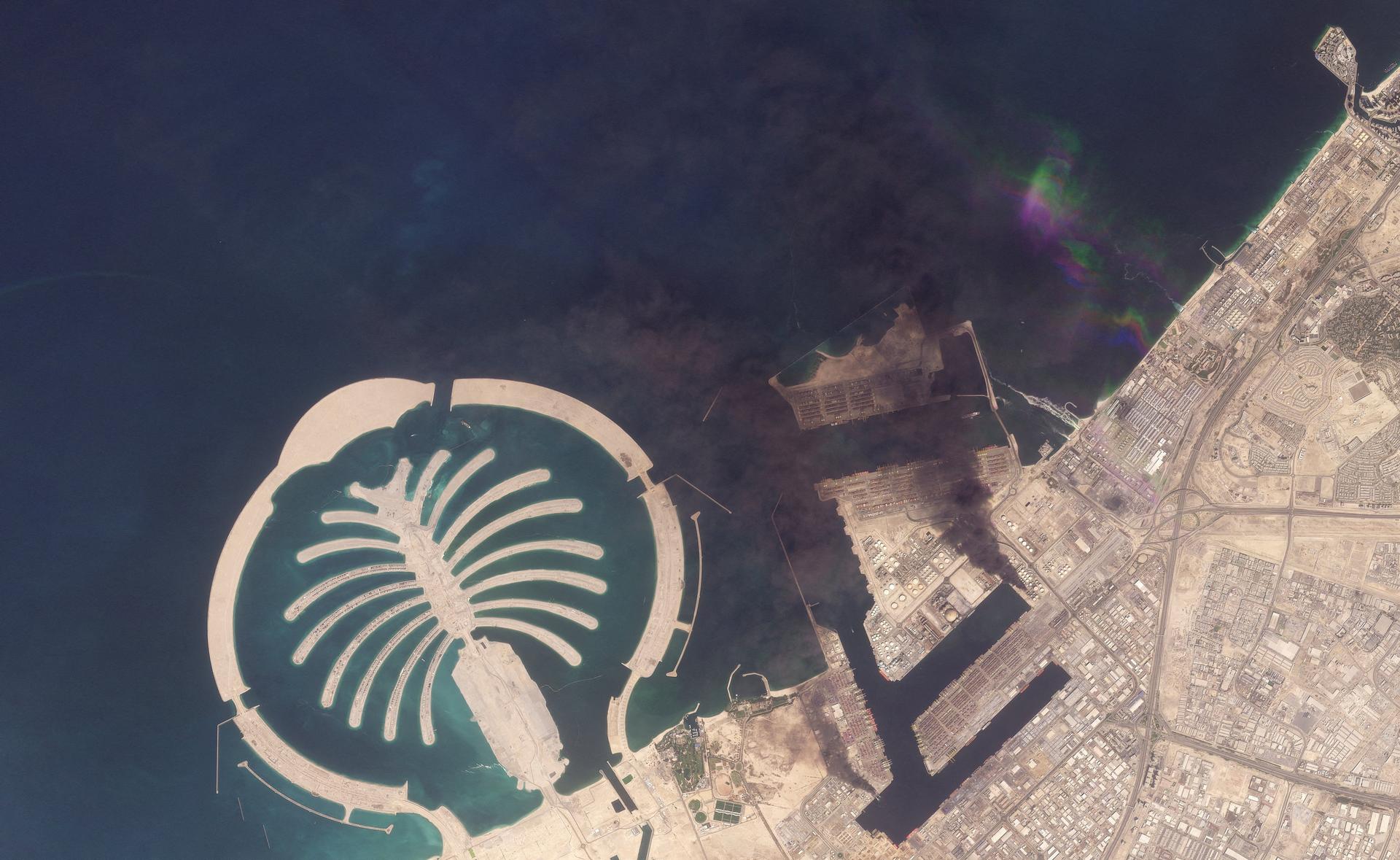
| Luxury carmakers' profit to be hit in "world's best market". 2026 Planet Labs PBC/Handout via REUTERS/File Photo |
Gulf turmoil hits luxury carmakers' profit engine |
The Middle East, long the most lucrative market for bespoke luxury cars, is emerging as an early casualty of the Iran conflict – threatening a key profit pool for global automakers. While the region typically accounts for less than 10% of global volumes, it delivers disproportionately high margins thanks to ultra-wealthy buyers willing to pay multiples of base prices for customisations – from gold-leaf finishes to hand-crafted interiors. For some models, bespoke additions can double or even triple the final price. That high-margin engine is now sputtering. Dealerships across the Gulf are temporarily shut after the outbreak of hostilities, with high-end brands such as Rolls-Royce, Ferrari and Maserati pausing deliveries. Although showrooms have begun reopening, business remains significantly weaker, with one Dubai-based dealer reporting a roughly 30% drop in sales. The disruption comes at a particularly vulnerable moment for the sector. Demand in China has sharply declined, U.S. sales face tariff-related uncertainty, and Europe remains sluggish – leaving the Middle East as one of the few profit centres. As Bentley CEO Frank-Steffen Walliser said earlier this month of the Middle East: "It's the best market in the world." |
|
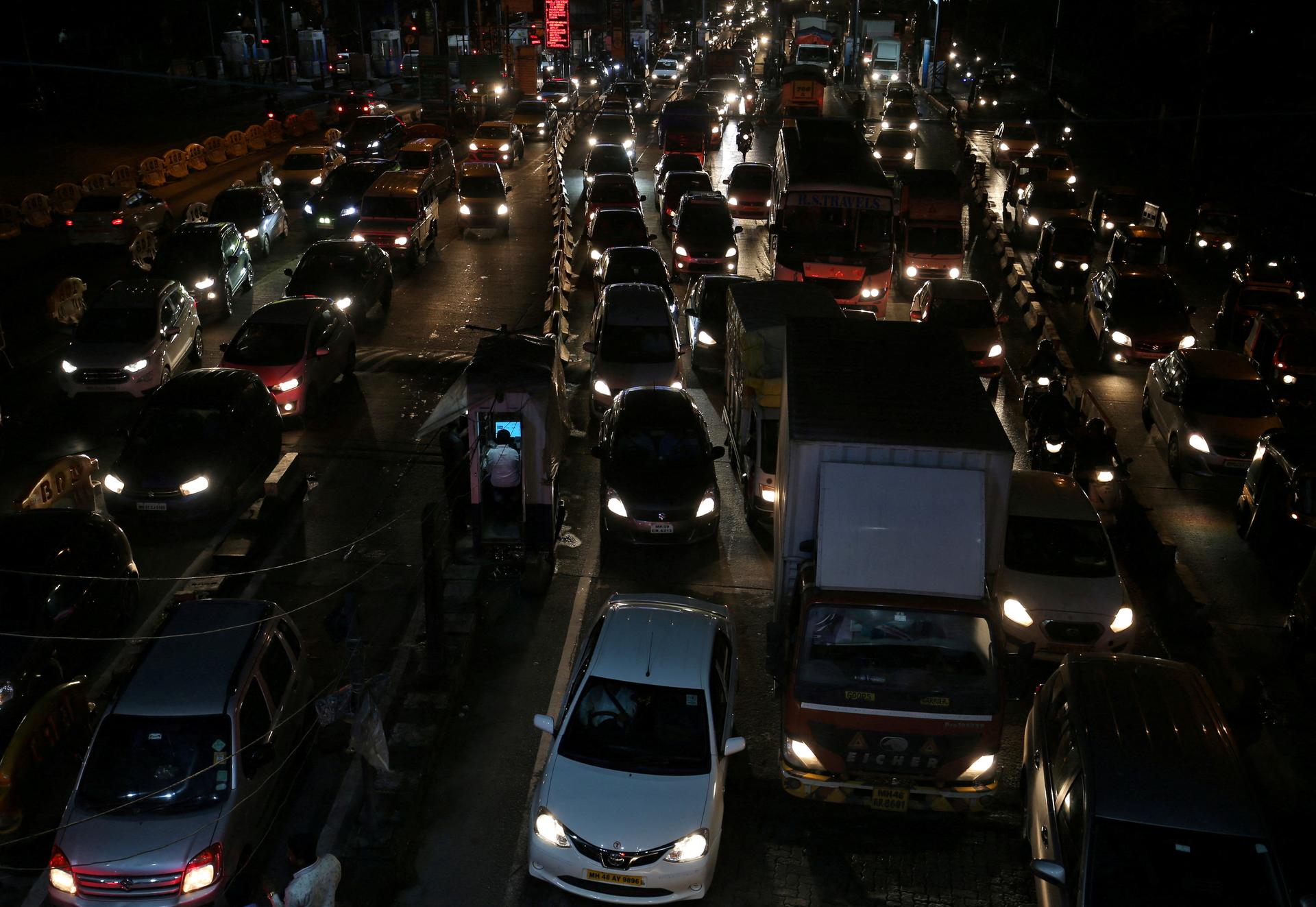
| India wants automakers to curb production to save fuel - REUTERS/Francis Mascarenhas/File Photo |
India nudges automakers to conserve fuel | India is stepping up pressure on its auto industry to manage energy use as the Iran conflict begins to strain fuel and gas supplies. The government, in a memo to the car industry, asked for production schedules to be optimised and for companies to move away from oil-based energy to electric solutions wherever possible. Early signs of stress are already emerging. Suppliers to major automakers like Tata Motors and Mahindra & Mahindra have warned of gas shortages soon. An executive at a leading carmaker said the takeaway from the notification is clear. It is not so much about switching out to other modes of energy but more about buckling up for the long haul. Conserve, adapt and prepare for prolonged disruption. |
|
|
| | | | | Auto File is sent weekly. Think your friend or colleague should know about us? Forward this newsletter to them. They can also sign up here. Want to stop receiving this email? Unsubscribe here. To manage which newsletters you're signed up for, click here. This email includes limited tracking for Reuters to understand whether you’ve engaged with its contents. For more information on how we process your personal information and your rights, please see our Privacy Statement. Terms & Conditions | | | | | © 2026 Thomson Reuters. All rights reserved.
3 Times Square, New York, NY 10036 | | | |
|
|
|






0 comentários:
Postar um comentário