The U.S.-Israel war with Iran, now into its second week, is casting its shadow on businesses across the world, including India's.
The first point of impact has been higher oil prices - which rose above $110 per barrel but slid on Tuesday as U.S. President Donald Trump's comments raised hopes of an end to the war. But disruption to trade through the Strait of Hormuz and stoppage of gas supplies are also having a more immediate impact on Indian businesses.
Over the past week, GAIL and IOC restricted gas supplies to industrial customers after Qatar halted production of liquified natural gas and shipments were disrupted.
India, the world's fourth-largest buyer of LNG, relies heavily on the Middle East for its imports.
The gas shortages will likely hit the fertiliser sector quickly, where some manufacturers such as Gujarat Narmada Valley Fertilizers have already announced planned production cuts.
Similar cuts are being seen across the region, which could potentially curb supplies just as farmers gear up for their major cereal planting season, Reuters' Naveen Thukral reported.
India imports about a third of its fertiliser needs. The government, however, was confident supplies will be adequate and added it is taking steps to diversify imports beyond the crisis-hit Middle East.
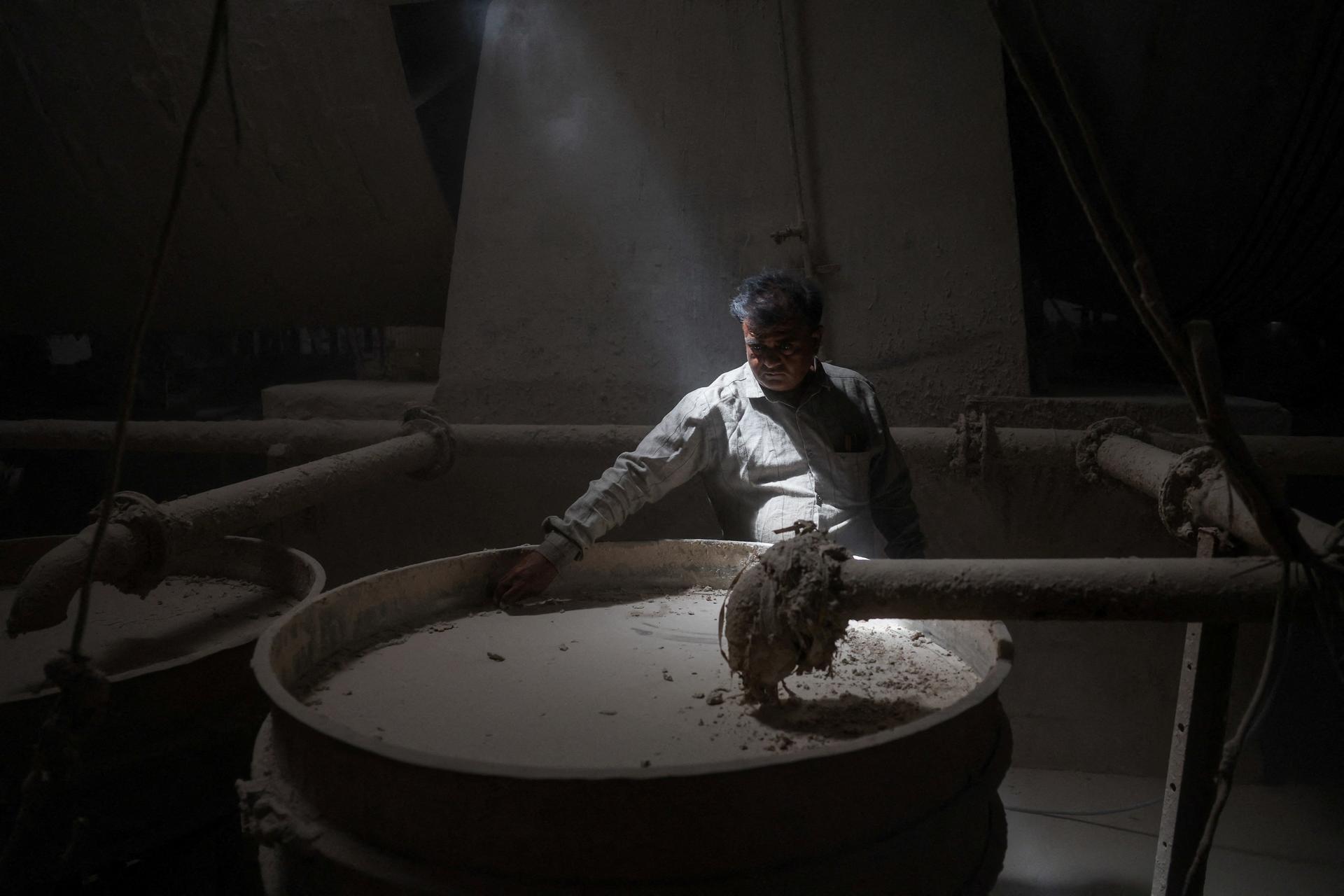
The ceramic and tiles industry has been another early casualty of fuel-supply shortages, with a number of firms planning on paring production. And restaurants have taken to social media to complain about a shortage of industrial-sized gas cylinders.
Alongside, businesses that export to the Middle East are starting to warn about delays in shipments.
India's gems and jewellery exports, as well as imports of rough diamonds from the United Arab Emirates, are being impacted because of widespread flight cancellations and airspace closures, Reuters' Rajendra Jadhav reported.
Jindal Stainless, India's biggest stainless steel producer, has warned of shipment delays.
India is not alone in feeling the impact, with many global businesses under pressure. Read here for an assessment of the global impact.
Prices are starting to be impacted as well, with India raising cooking gas prices, even though the government has ruled out a hike in retail costs of petrol and diesel for now.
The one silver lining is that interest rates may not rise immediately as production cuts due to shortages of fuel-based raw material and disruptions to exports may mean a quicker hit to India's growth than to inflation.
Read that analysis here.
In a scenario where oil prices average $120 per barrel in financial year 2026-27, inflation may rise to 4.8% while growth may slip to 6.2% from a currently estimated 7%, said Soumya Kanti Ghosh, chief economist at State Bank of India, the country's largest bank.







0 comentários:
Postar um comentário