A hotter-than-normal summer beckons, with the Indian meteorological service predicting an above-average number of heatwave days in April-June this year. Power demand is expected to touch a record 270 gigawatts during the season, government estimates show.
While the summer months would even otherwise stretch the country's power system during peak demand, what has made the situation acute this year is the Middle East conflict, which has squeezed gas supplies. While gas accounts for only around 2% of its total power generation, India uses about 8 GW of gas power during peak-demand periods or heat waves.
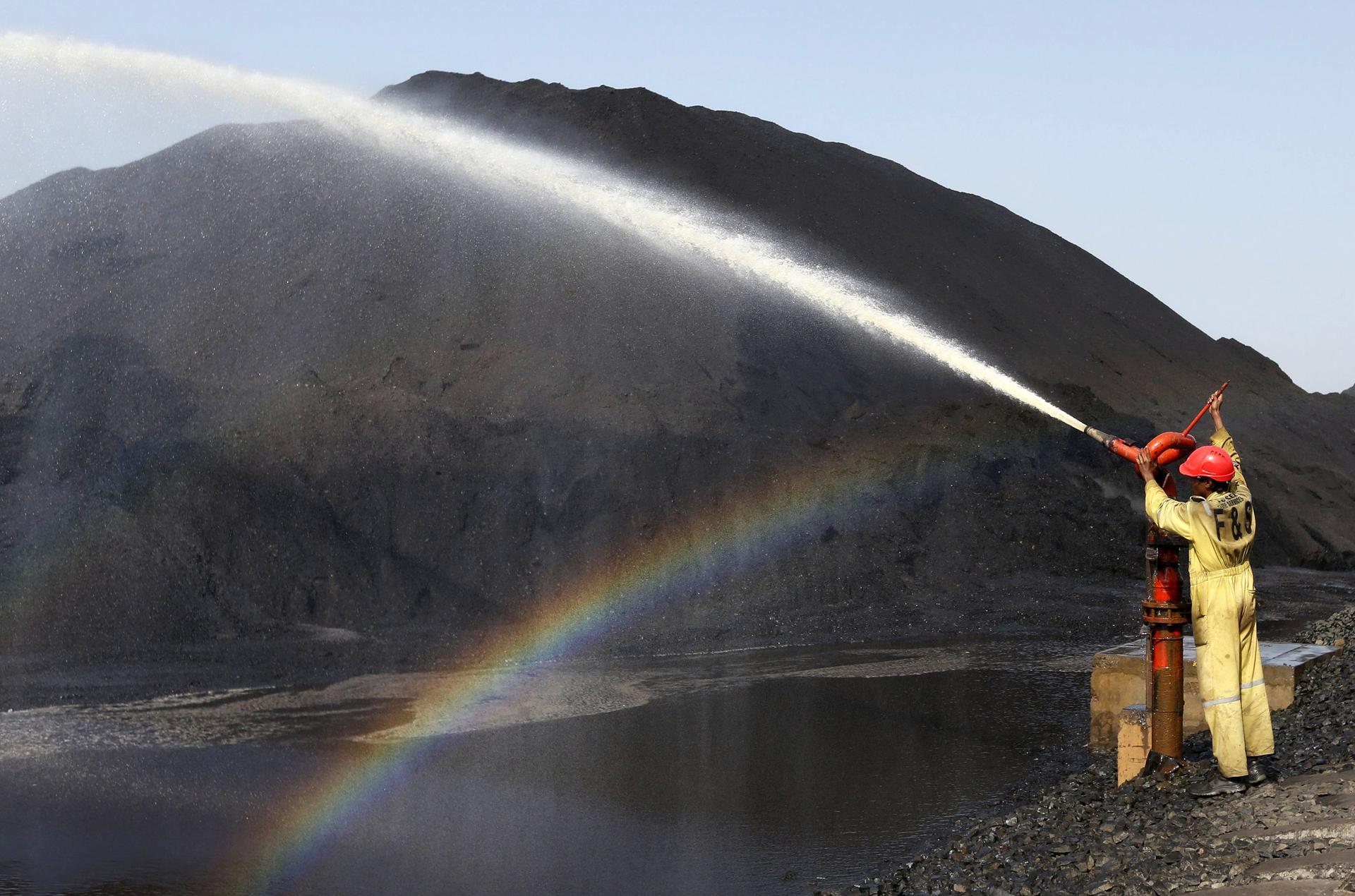
That has sent New Delhi and states scrambling to shore up coal-fired power, which the South Asian nation is trying to reduce over the longer term as it meets its decarbonisation commitments.
The western state of Gujarat set the ball rolling by approving last week a revised power supply pact with Tata Power and clearing the way for the company to resume long-term supply from its 4 GW Mundra power plant. Built to run on imported coal, the plant has sat idle for months as government compensation rules expired.
The central government has now mandated the Mundra power plant to run at full capacity from April 1 to June 30 and could extend the directive to other plants running on imported coal depending on the demand.
India is the world's second-largest producer and consumer of coal. It has 210 million tons of coal stock, enough for 88 days of consumption, and the government has instructed coal-based utilities to avoid outages, bring units back from maintenance and be ready to run flat-out.
Prime Minister Narendra Modi said on Monday that India has adequate coal supplies to meet rising electricity demand despite energy disruptions triggered by the Middle East conflict.
Gas is the weak link. India has invoked emergency clauses to divert scarce gas to households and fertiliser plants.
Read our last India File edition which looks at the struggle by households and businesses to adapt to the cooking gas supply crunch.
Gas supplies from Qatar and Abu Dhabi have been hit by the U.S.-Israeli war on Iran, forcing suppliers to declare force majeure and freezing India's summer liquefied natural gas (LNG) tenders. And top utility NTPC says it cannot offer gas-fired generation during April-June.
The Middle East conflict has forced Asian utilities from Bangladesh to Japan to switch back to coal as LNG prices double and shipments through the Strait of Hormuz stall.






0 comentários:
Postar um comentário