Hello Power Up readers,
Alarm bells are ringing to kick off the week as investors wake up to the mounting impact of the Iran war on oil prices, inflation and government borrowing costs.
Bonds from Tokyo to New York extended losses on Monday as investors bet central banks would hike rates and that yields will stay higher-for-longer on the back of deteriorating government finances and rising spending needs.
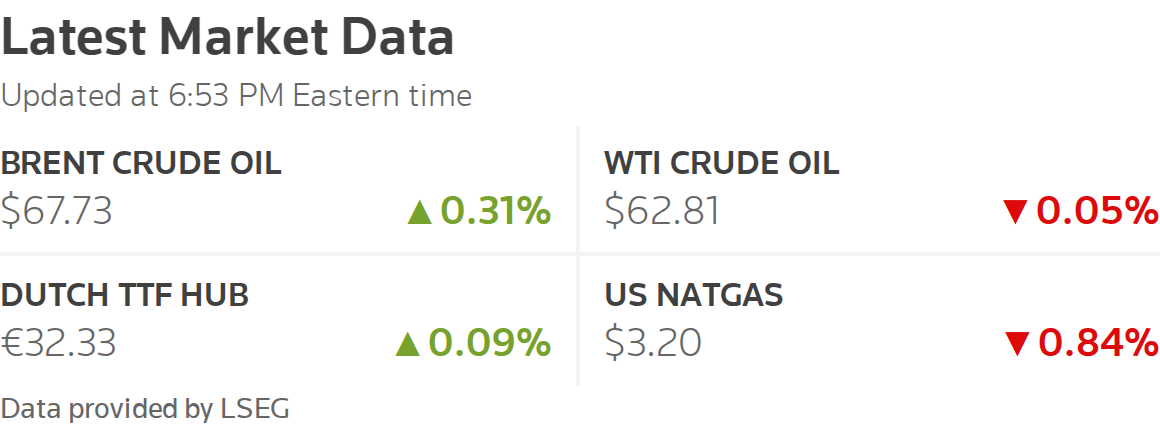
Oil prices are firmly back to $110 a barrel as efforts to end the Iran war appeared to have stalled following drone attacks on a nuclear power plant in the United Arab Emirates and in Saudi Arabia. Meanwhile, U.S. President Donald Trump has warned Iran that the “the clock was ticking” to agree to a peace deal – or else…
Amidst the rising tension over the continued obstruction of the Strait of Hormuz, the oil market is rapidly adapting to the loss of over 13% of global oil supplies. Chinese refineries cut their crude processing rates in April by 5.8% from a year earlier to around 13.3 million barrels per day, the lowest level since August 2022. This drop comes as Chinese refiners have also sharply reduced crude imports since the start of the war, as I discussed last week.
But things haven’t been static around Hormuz. There are growing signs that major Asian importers are adjusting to the new reality by striking direct arrangements with Gulf producers – often with Tehran’s consent – to allow vital flows of crude, chemicals and fertilizer through the Strait. This dynamic is threatening the decades-old dominance of the U.S. dollar-dominated global oil trading system. More on this below.
Here are a few more headlines:






0 comentários:
Postar um comentário