Once upon a time climate activists were able to harness the power and interest of many big investors to press for environmental reforms like emissions disclosures from top energy firms. The trend really took off in 2017 with a successful climate-reporting vote at Occidental.
Those days appear to be over, as shown by the annual meetings of Texas-based U.S. oil majors held on Wednesday. At Chevron directors won 97% support, as did its executive pay, and only 9% of votes cast were in support of a shareholder item on indigenous people's rights in the context of environmental concerns.
At Exxon meanwhile shareholder activists faced an un-welcome mat. The company said 71.3% of votes were cast in favor of its proposal to redomicile from New Jersey to Texas, which proxy advisers said could erode shareholder rights; and said that 23.5% of votes supported a call for reforms to an Exxon investor-voting program seen as friendly to management.
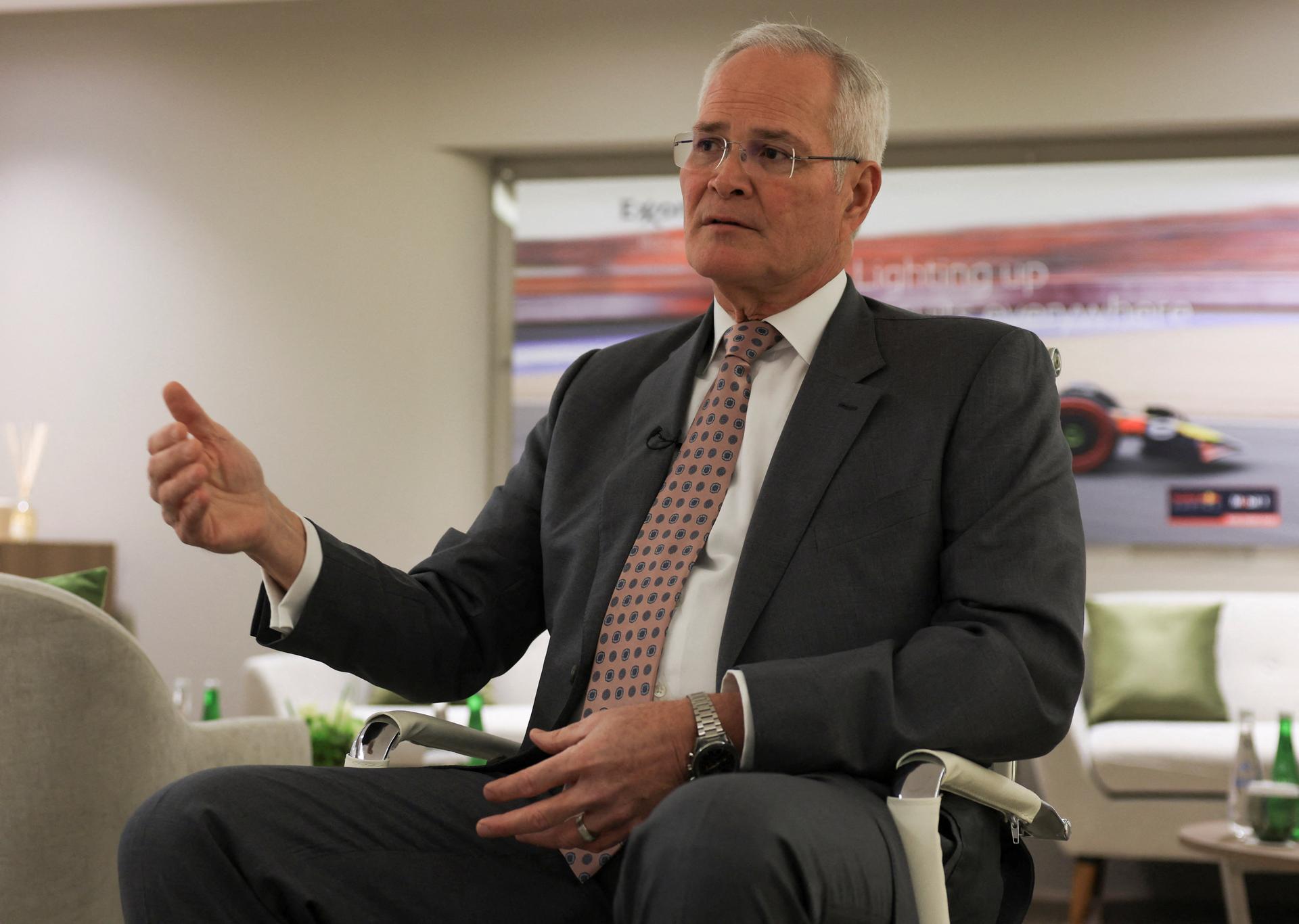
At many companies the two results, while victories for management, might signal at least some significant investor dissatisfaction and cause directors to look for compromise. But Exxon CEO Darren Woods has pushed back and at Wednesday's meeting dismissed the New York City Comptroller's office as a "serial proponent" whose idea for voting reforms was "not a serious use of the shareholder proposal process".
He also criticized conservative-leaning National Legal and Policy Center over its proposal for Exxon to have an independent board chair, an idea Woods said "has been withdrawn or excluded five times and voted down 16 times by Exxon Mobil shareholders since 2000", according to a transcript.
Activists see Woods' efforts as overkill.
"In our view, the response is more a reflection of the company’s governance and maturity shortcomings than our shareholder proposal activities," Paul Chesser, a director at the National Legal and Policy Center, whose proposal won 15.2% of votes cast, said in an email. He noted the independent chair idea hasn't been voted at Exxon since 2021.
New York City Comptroller Mark Levine said in a statement the vote result on the reform measure, brought on behalf of the New York City Police Pension Fund, showed "a meaningful showing of support for our proposal and against reincorporation."
In a separate blog post published Friday, Levine's assistant comptroller Michael Garland wrote how Exxon's approach is in line with recent moves by other Texas companies AT&T and SpaceX to diminish shareholder influence.
"This is not normal corporate behavior," Garland wrote. "It reflects a broader trend in American political and cultural discourse, increasingly normalized at the highest levels of public life: attacking institutions, impugning motives, and treating scrutiny itself as a form of aggression. That reflexive hostility toward scrutiny is now migrating into corporate boardrooms."








0 comentários:
Postar um comentário