Hello Power Up readers,
President Donald Trump signed the U.S.-Iran interim agreement to end the war before a grand dinner with French President Emmanuel Macron at the Palace of Versailles, the site of the signing of the eponymous treaty that formally ended World War One. The 14-point agreement, which was signed digitally by Iranian President Masoud Pezeshkian, is believed to be the first agreement signed by both a U.S. and Iranian president since the Islamic Republic's founding in 1979.
The memorandum includes an immediate end to the war on all fronts, including Lebanon, the full resumption of maritime traffic "with no charge" in the Strait of Hormuz, the lifting of a U.S. blockade of Iranian ports, the waiving of U.S. sanctions on Iran, the unfreezing of its assets, and a $300 billion investment fund for the Islamic Republic's post-war reconstruction. Iran also pledges not to build nuclear weapons, reaffirming a vow it had made for decades. Both sides aim to reach a deal on Iran’s nuclear ambitions in the next 60 days. That is easier said than done.
The deal was hailed by Iran as a huge victory. Indeed, it gives Iran significant economic relief and allows it to sell its oil freely on the global market. The “toll-free” status of transit through the strait is also only temporary, with “future administration and maritime service” in the waterway still to be confirmed.
Trump, already facing domestic criticism and Israeli anger over the deal, earlier said about Iran, "we're going to bomb the hell out of them if they violate the agreement."
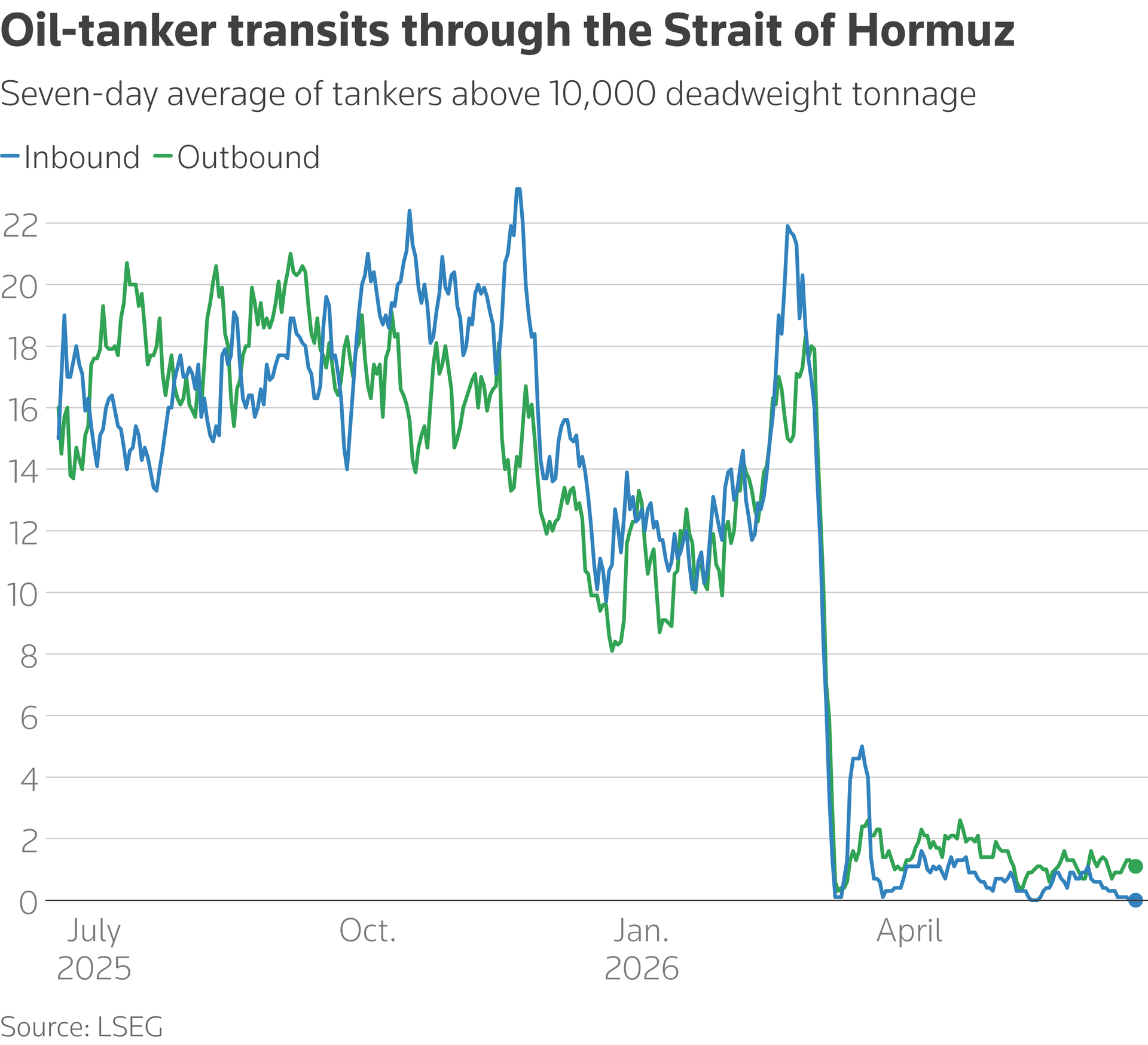
But for now, oil transit through the Strait of Hormuz is gradually recovering, to everyone’s relief. For the first time in months, Saudi Arabia sent three super tankers through the narrow waterway, while other producers are also ramping up exports. Once the glut of oil stored on tankers during the war subsides, the focus will turn to the restarting of around 11 million barrels per day of production that was shut in during the Hormuz closure, a process that will last months.
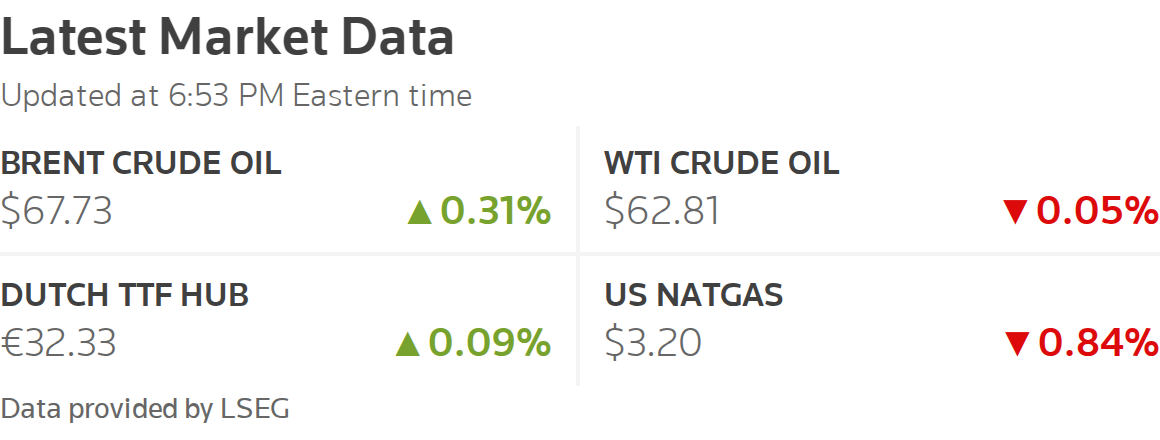
Oil prices continued their sharp declines this week in response to the deal, and are currently well below $80 a barrel, some $40 off the war’s peak of $118.
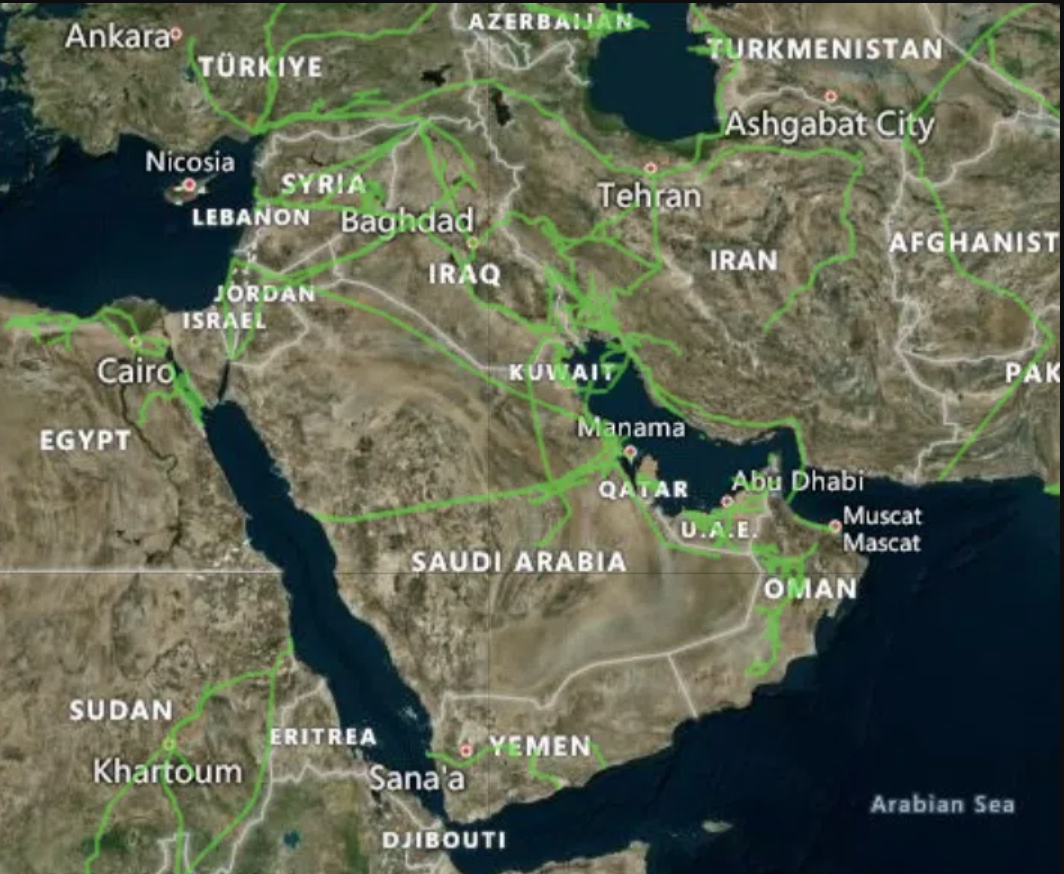
But even as Gulf nations rejoice at the deescalation, they are already thinking about the long-term lessons from the crisis, particularly the dangers of relying on a single chokepoint for vital oil and gas exports. They now face a clear strategic imperative: diversify – at all costs. More on this below.
Finally, don't forget to mark June 25 in your calendar, when I'll be joining ROI Global Energy Transition Columnist Gavin Maguire to discuss the energy market implications of the AI infrastructure buildout. Sign up here.
And catch Gavin's appearance at Reuters Events' Global Energy Forum on June 23 at 9 a.m. ET. The event will be available to watch live here on the day.
Here are a few more headlines:






0 comentários:
Postar um comentário