Andy Burnham has made much of his love of Manchester bands like The Smiths and Oasis.
But listening to him talk about his social care plans this week, in his first big policy speech, I couldn’t help wondering whether his favourite track might actually be by experimental art rockers Flying Lizards, whose only hit was a post-punk version of “Money (That’s What I Want)”.
Certainly, the question of how to pay for a better elderly care system, let alone everything else he wants, is a groove the prime minister seems stuck in.
Lucky, then, that Brian Eno was on hand to rattle a tin – and not as a sample for his next ambient album. The founding member of Roxy Music, long-time Bowie collaborator and pioneer of electronica wrote for The Independent this week, under the headline: “I hope Andy Burnham raises taxes for millionaires like me”.
Having co-signed a letter alongside deep-pocketed grandees including Gary Lineker, Richard Curtis, novelist Val McDermid and ex-City trader Gary Stevenson, he invited the new PM to “tax the very richest people more – we can afford it, the country deserves it, and the people here are worth it.”
Eno reasoned that “there are now 157 billionaires in the UK, while one in five kids are living in poverty, small businesses are going under, and services are crippled by underinvestment. I find this level of inequality truly outrageous.”
Emma Clarke’s eye was caught by a suggestion that, to pay for better elderly care, Burnham is considering a new hypothecated tax, meaning workers would start paying 1.8 per cent of their wages when they hit 34. Clarke – who spent her teenage years caring for her father – is 34, and unimpressed at the prospect.
“As it stands, my generation has already drawn the short straw. The number of young people on the property ladder has significantly decreased since 1997 as house prices have continued to increase. Our general quality of life has declined, too, owing to the ongoing impacts of the pandemic and cost of living crises. As a single person and solo renter, the situation feels more dire than ever before.”
James Moore was outraged, meanwhile, by news that the Treasury had war-gamed a replacement for council tax and stamp duty – a new land value tax, which would see homeowners paying a flat 0.48 per cent tax on the current value of their home every year.
Having worked out it will leave him £400 a year worse off, Moore asked: “Is Burnham trying to price homeowners out of the South East?”
“Almost one in five homeowners would be worse off – including a majority of those in London. What this might do to the property market is anyone’s guess. And to the shape of our politics, too. I wonder if Burnham has calculated he can afford to lose all those marginal seats across the south that Sir Keir Starmer narrowly won?”
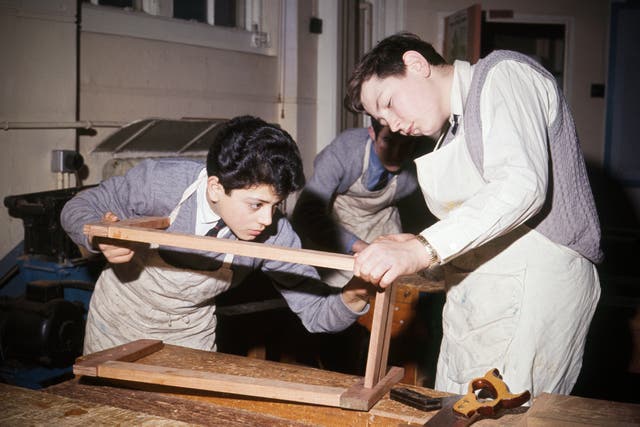
Sean O’Grady ran his slide rule (remember those?) over another Burnham idea, this time for education, by which parents would be paid £4,500 to allow their school-leaver children to become apprentices.
Faced with a benefits system that discourages certain young people from entering a well-paid trade, over fears that their family’s monthly income will be reduced, O’Grady’s verdict was that the financial incentive sounds absurd – but that effect could be transformational, not only “justified, but also value for money”.
But, rather than just raising taxes, prime minister, how about trimming some fat from somewhere? A new report, for instance, found that more than 87,000 16- and 17-year-olds are receiving £194 a week for mental health and neurodevelopmental conditions, such as autism, ADHD and anxiety – £100 more than teenagers can be paid for going out to work part-time.
Victoria Richards wondered whether Burnham would dare upset the left wing of his party – the people who made his Downing Street coup possible – by making benefit payments to young people conditional on them taking part in voluntary work such as litter picking, as is the norm in the Netherlands, which not coincidentally has the lowest number of Neets in Europe.
“When it comes to ‘tearing up’ the youth benefits system and starting again, Burnham would do well to remember that today’s kids are tomorrow’s voters,” she warned, “and with the youth vote starting at 16 come the next general election, Labour is going to need all the support it can muster.”
Is it time to change the record, Andy? Until next week.












0 comentários:
Postar um comentário