Greetings from London!
Persuading consumers to buy electric vehicles has hit a number of obstacles over the years, from anxiety over range to a lack of charging infrastructure.
But perhaps the biggest challenge in persuading consumers to embrace a new technology is that EVs cost more than their fossil fuel equivalents – requiring government subsidies to bridge the gap.
Traditional manufacturers need scale for EVs to hit price parity with gas guzzlers.
June EV figures covering most of the EU’s car market are encouraging because sales jumped nearly 40% to 1.24 million vehicles.
Assuming they can fend off competition from Chinese EV makers with their affordable models, this should be good news for Europe’s carmakers as higher sales would allow them to spread their costs and lower prices.
Which brings us to today’s Auto File…
|
|
|
|
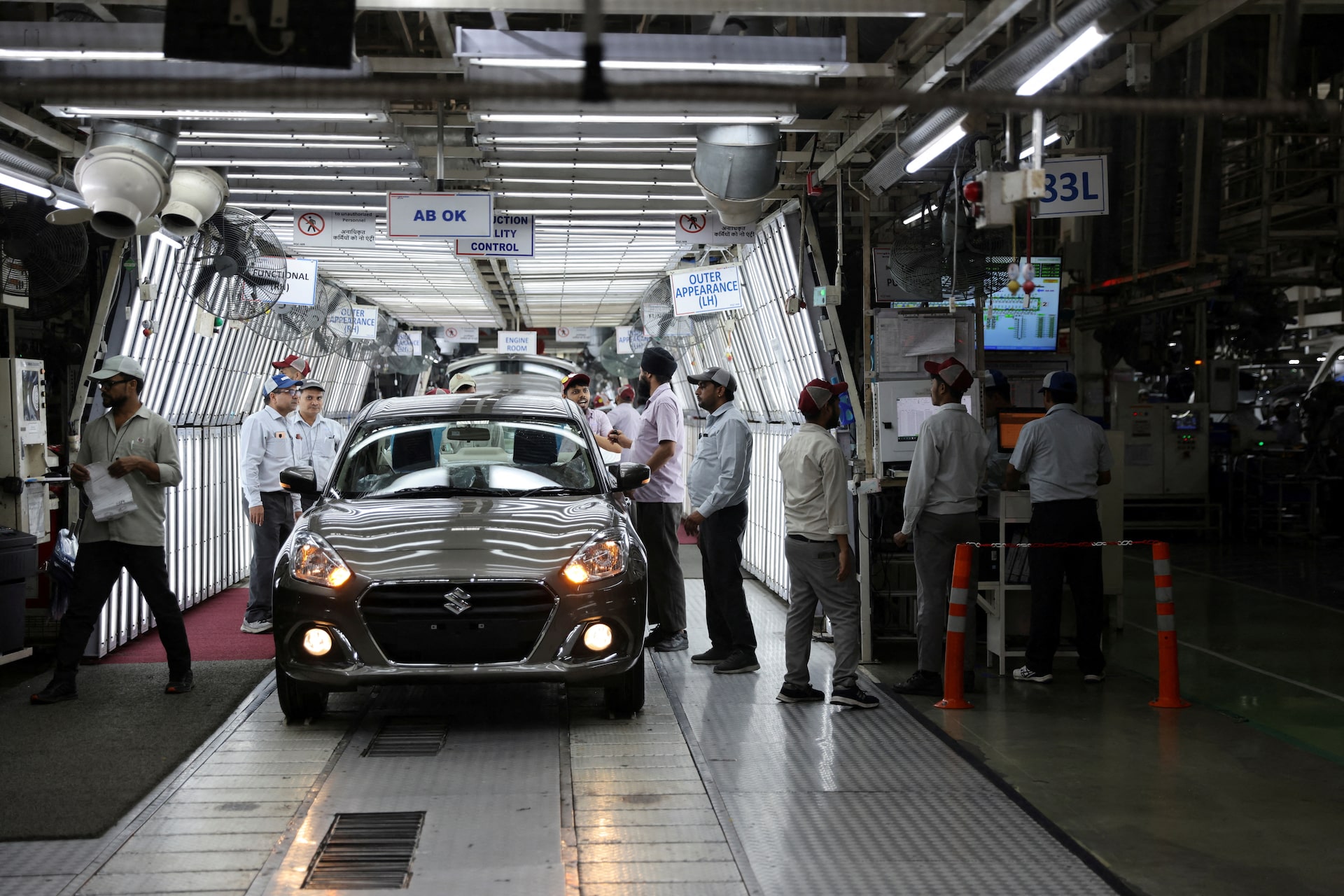
Uh, can I have a sunroof on that? - REUTERS/Anushree Fadnavis.
|
Suzuki has been a dominant force in India for decades, where hatchbacks made by its Indian unit Maruti Suzuki commanded up to four-fifths of the country's new car sales.
It has been so dominant because it has eschewed features like sunroofs that would add costs, a strategy that worked like a charm until Indians’ incomes began to rise.
As Reuters colleague Aditi Shah reports, Suzuki has seen its market share fall to around 39% - close to an all-time low.
You can read more about it here.
Maruti Suzuki still runs a lucrative business in India, with revenue more than doubling over the last five years to $19 billion. About 60% of the 3.3 million cars Suzuki sold in the last financial year were in India, and Maruti contributed nearly half of its profits.
But the company is falling well short of its target of 50% of India’s car market.
And while Maruti Suzuki says it is listening to customers, the company has a lot of work to do.
As one analyst put it, India’s young car buyers now see the brand as more suitable for their grandparents or parents.
It will take more than a sunroof to fix that.
|
|
|
|
|
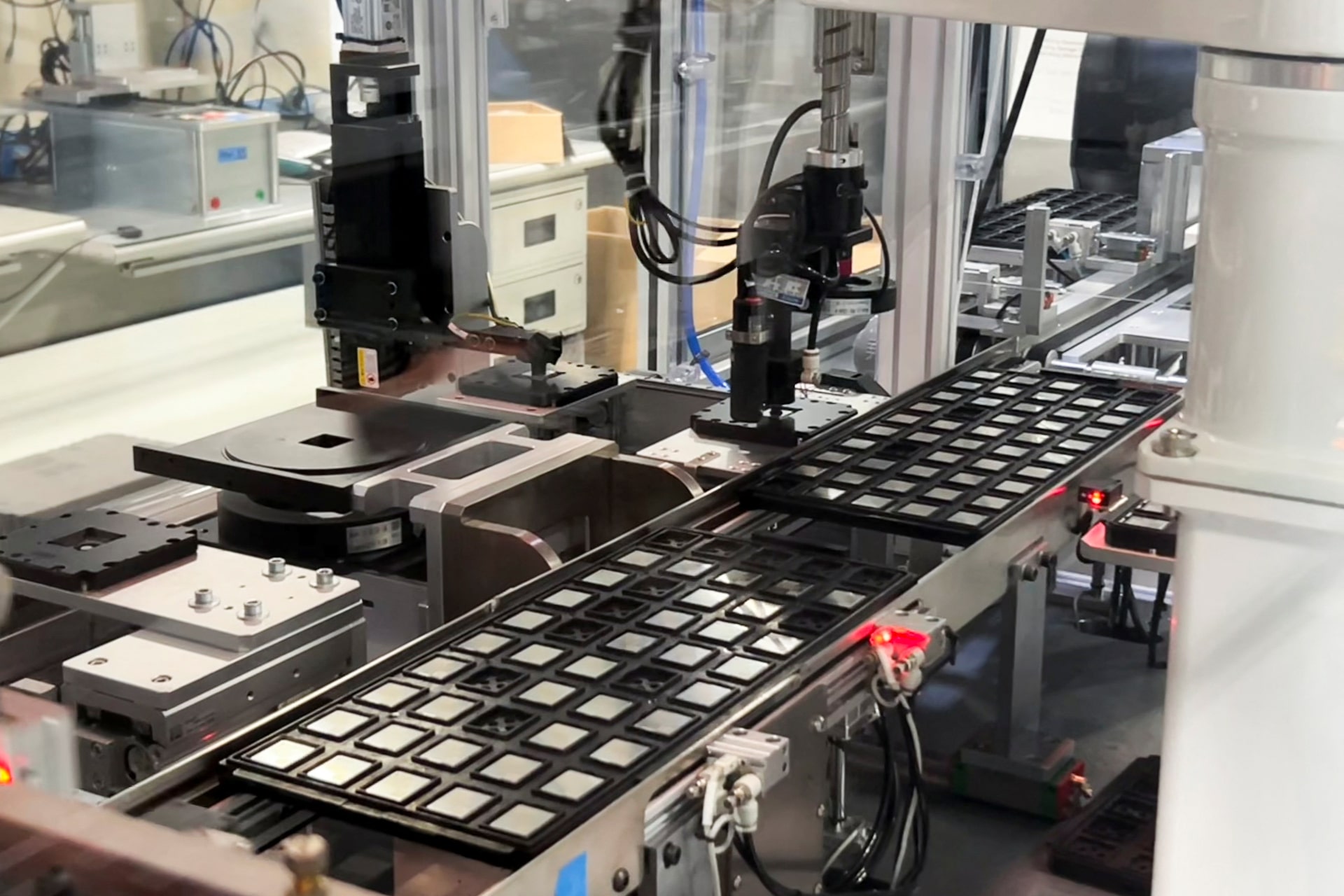
The U.S. is going to need a lot more modules - REUTERS/Nora Eckert.
|
The U.S. auto industry is racing to ditch Chinese tech in cars to comply with a Biden administration rule banning software and hardware from China in connected cars on U.S. roads.
As Reuters colleague Nora Eckert reports, for Eagle Wireless, a supplier in Ohio, this has meant a race to scale up production of modules, the small circuit boards that enable vehicles to have a wireless connection to the outside world.
You can read all about it here.
One of the most interesting aspects of Eagle’s story is that not only is it rushing to scale up. As the company’s modules are licensed from Chinese company Quectel Wireless Solutions, it is in a race against time to develop its own product to comply with U.S. rules.
This illustrates just how far China’s dominance of cheap connected car tech goes and how complex it is for automakers to wean themselves off it.
|
|
|
|
|
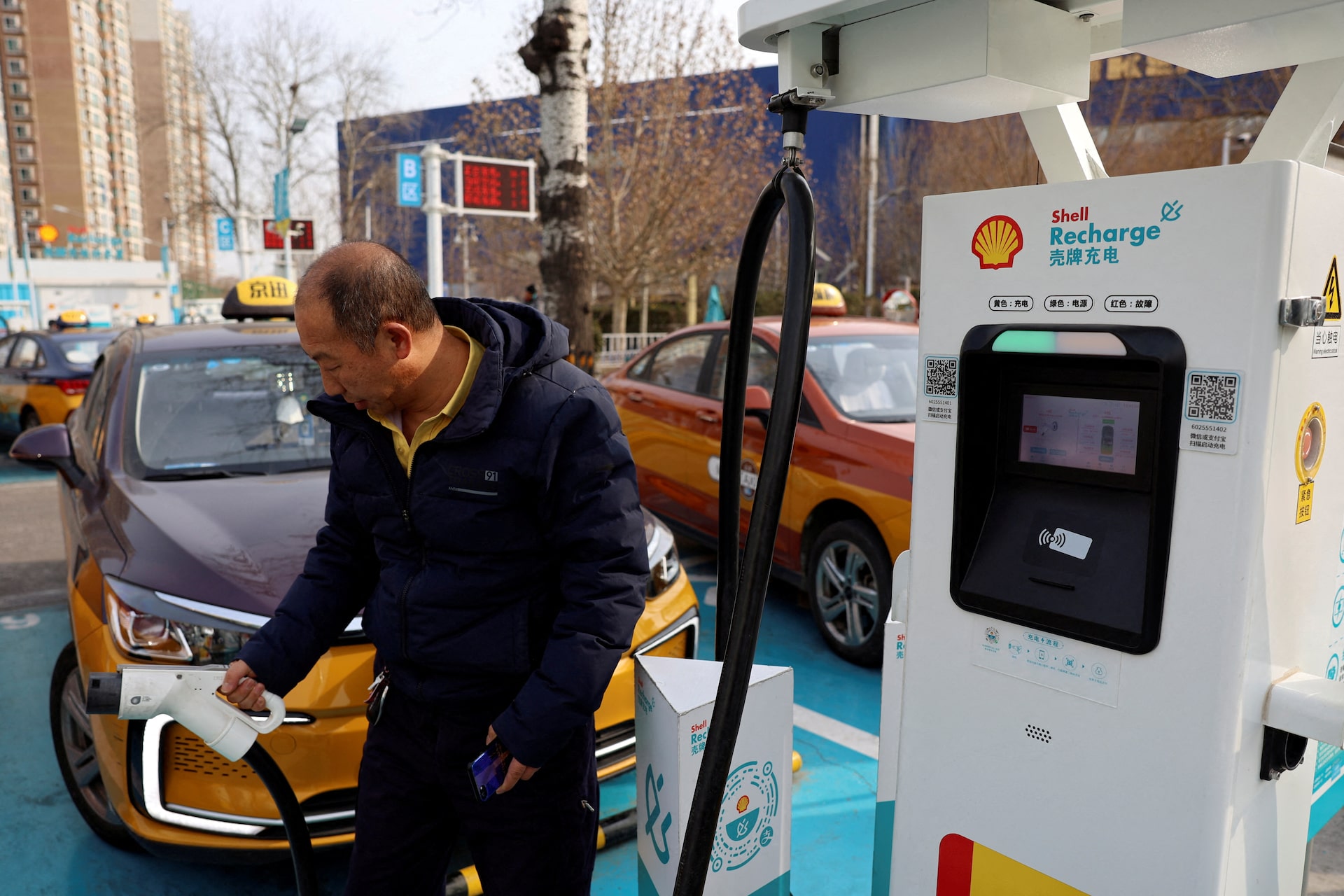
High oil prices are good for China's electric cabs - REUTERS/Florence Lo.
|
China’s electric taxi surge |
The U.S. war in Iran has pushed up gasoline prices in China. But as Reuters reporters Lewis Jackson and Sam Li report, Chinese drivers are turning to electric taxis as a way to cut costs.
You can read all about it here.
In May, people took 3.05 billion trips, with government data showing trips up 6% since the Iran war began at the end of February, versus March to May last year.
Analysts say a flood of new drivers searching for work in a sluggish economy combined with cheap electric cars is depressing fares, in turn attracting passengers who want to save on higher petrol costs.
As car owners have switched to using cheaper taxis, China has managed to slash oil imports, which fell 41% in June versus a year ago, without extensively tapping its reserves.
The big question is whether China’s electric taxis will continue to thrive when gasoline prices eventually come down.
|
|
|
|
U.S. EV maker Lucid denied a blog post saying it was considering a potential take-private transaction or a Chapter 11 bankruptcy filing.
The company was forced to make a statement after its shares tumbled more than 50% in their steepest ever one-day decline.
You can read all about it here.
Lucid has struggled, which is likely why the blog post hits its shares so hard.
The company had already lost about 99% of its value since going public, as it has yet to turn a profit nearly five years after its market debut.
Lucid is undergoing a broad restructuring under CEO Silvio Napoli, who took over in June, and last month the company said it would cut about 18% of its U.S. workforce, eliminate the chief operating officer role and streamline its leadership structure to reduce costs and improve execution.
Unless Lucid addresses some of its core problems, its shares will remain vulnerable.
|
|
|
|
The European Union should consider raising tariffs on cars made in China to increase pressure on Chinese automakers to partner with European manufacturers such as Volkswagen, a minister in the German state of Saxony, home to a VW plant, said in an interview.
Volvo Cars forecast that profits would recover in the second half, even as the Swedish carmaker warned of rising key raw material costs and an unexpectedly steep slowdown in China which sent its shares down 8%.
China's industry ministry called on automakers to resist "irrational competition" and ensure the safety of cars, car parts, and assisted and autonomous driving systems.
The works council of German carmaker Volkswagen will host extraordinary staff assemblies in August with CEO Oliver Blume, giving workers the opportunity to grill him on plans threatening up to 140,000 jobs.
Struggling luxury carmaker Aston Martin said it has ongoing discussions with potential financing providers, following a media report that it is in talks with lenders including BlackRock-owned HPS Investment Partners.
Mexican sales of Chinese-brand vehicles jumped nearly 30% in the first six months of the year despite steep tariffs imposed in January that were intended to slow the rise of Asian imports, according to a sales report obtained by Reuters.
Think your friend or colleague should know about us? Forward this newsletter to them. They can also subscribe here.
|
|
|
|
|
|
| |
|
|
Auto File is sent weekly. Think your friend or colleague should know about us? Forward this newsletter to them. They can also sign up here. Want to stop receiving this email? Unsubscribe here. To manage which newsletters you're signed up for, click here. This email includes limited tracking for Reuters to understand whether you’ve engaged with its contents. For more information on how we process your personal information and your rights, please see our Privacy Statement. Terms & Conditions |
|
| |
© 2026 Thomson Reuters. All rights reserved.
3 Times Square, New York, NY 10036 |
|
|
|
|
|






0 comentários:
Postar um comentário