Greetings from London!
So far, the latest round of quarterly results from non-Chinese automakers has highlighted a major fault line running through the industry today.
If you’re selling high-margin, gas-guzzling pickup trucks in the United States – which has erected its own regulatory wall to keep the Chinese out – then life is good.
Both Ford and General Motors have raised their 2026 profit outlooks as American consumers keep on buying in one of the world’s most lucrative vehicle segments.
But for those more reliant on Europe and China, where competition from Chinese automakers is getting fiercer, times are tough.
BMW, long a darling of investors because of its high margins, is struggling in China where it has fallen behind with electric vehicles. The premium carmaker is cutting jobs and says it is reviewing working practices once thought untouchable.
The auto industry is undergoing the most turbulent period in a century, but there is still a long way to go.
Which brings us to today’s Auto File…
|
|
|
|
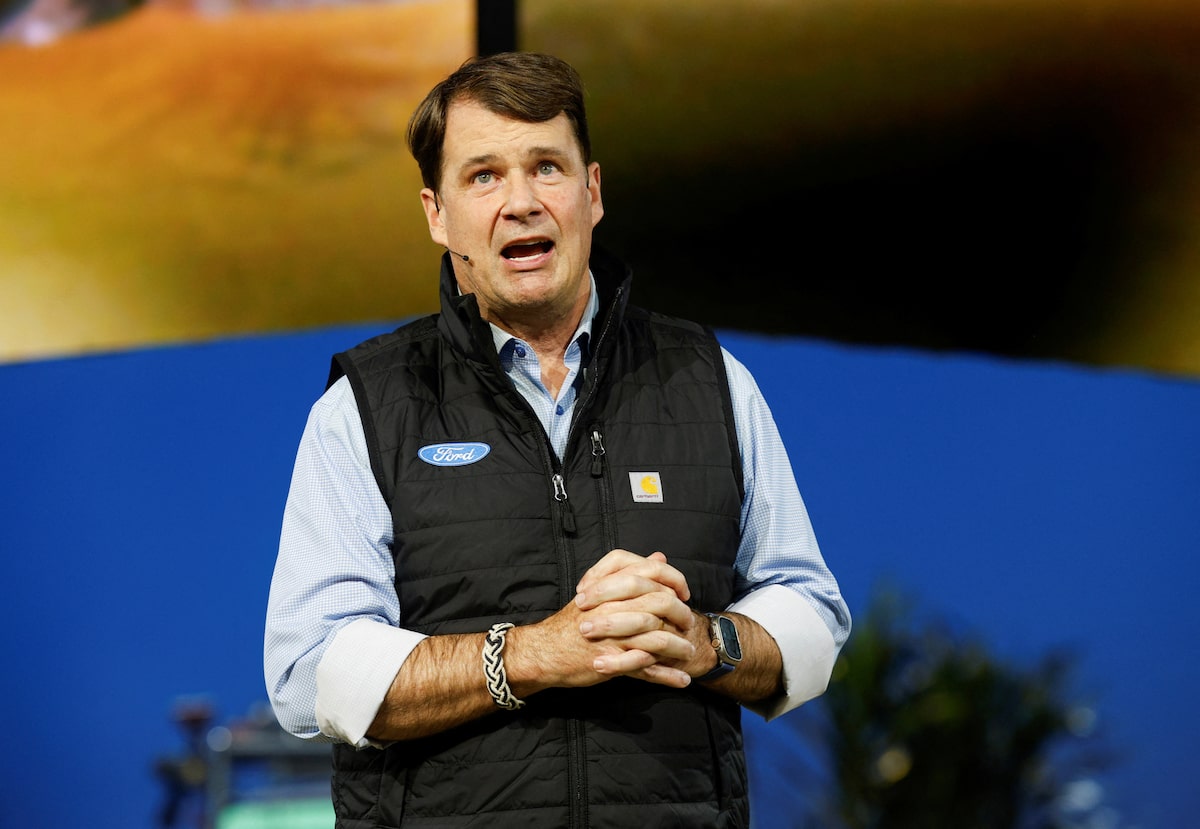
Ford CEO Jim Farley: The Chinese are coming - REUTERS/Rebecca Cook.
|
Ford’s China guessing game |
As noted above, the U.S. government has worked hard to keep out Chinese automakers with high tariffs and a ban on Chinese software and hardware – that even now the U.S. Congress is working to codify and expand.
Industry experts have said for years that it is impossible to keep the Chinese out forever – not least because a growing number of American consumers know that China’s automakers make the best electric cars at affordable prices.
Ford CEO Jim Farley has made no secret of his admiration for Chinese EV technology and the urgent need to compete against growing rivals like BYD and Xiaomi.
Ford is working on a family of affordable EVs it has engineered from the ground up to match the cost and efficiency of Chinese companies.
And as Reuters colleague Nora Eckert reports, in a town hall with Ford employees, Farley said the No. 2 U.S. automaker is preparing for the possibility Chinese companies could enter the American market within the next five to 10 years.
You can read all about it here.
Farley’s prediction comes just weeks after Ford Executive Chair Bill Ford said about the Chinese at an Axios event: "We can't expect to keep them out forever, and we have to be able to beat them at their own game."
|
|
|
|
|
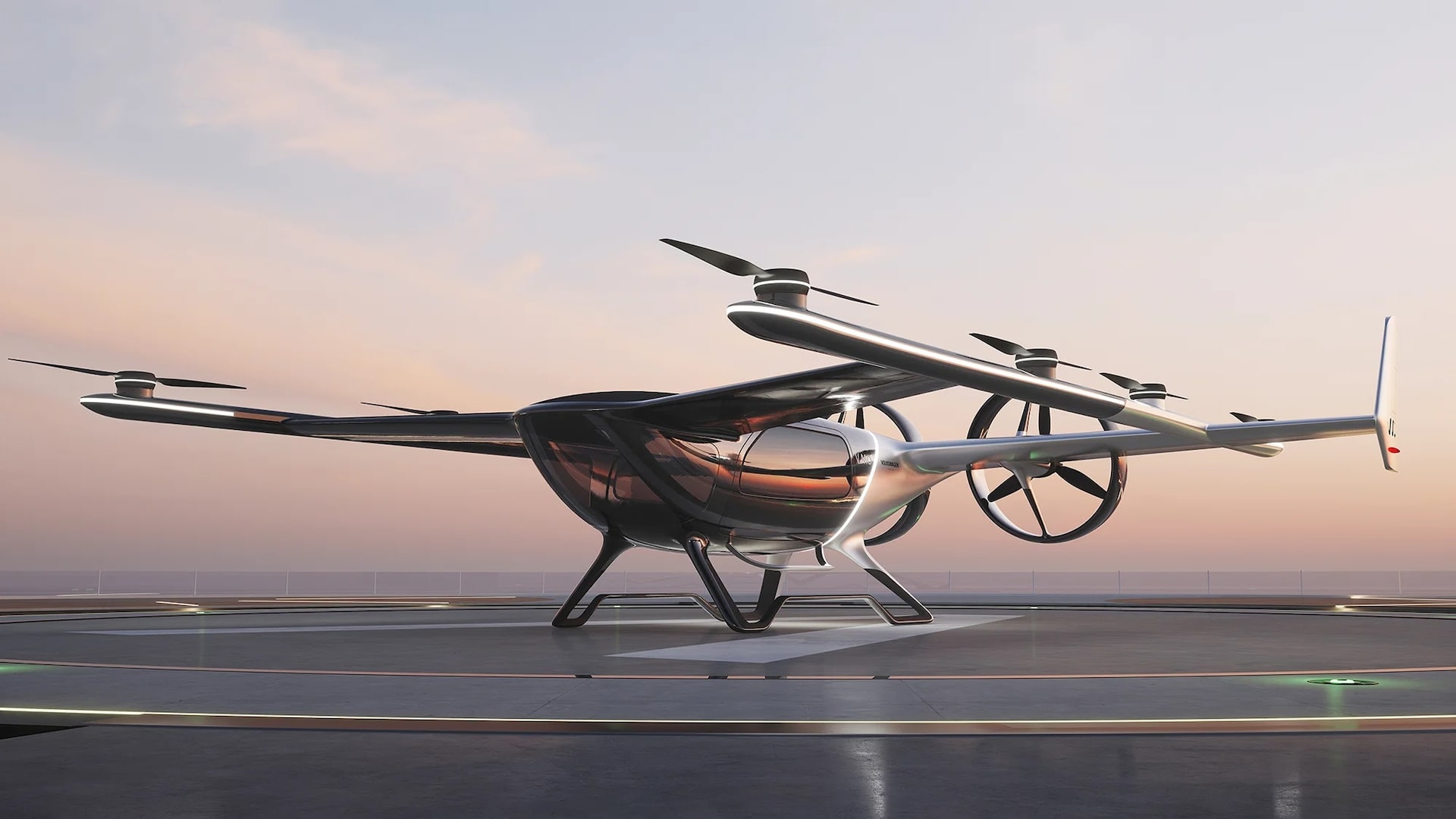
An image of the Sky Garden, from Volkswagen's promotional images.
|
VW’s China flying car flop |
Volkswagen has had a tough time in China, where its sales fell to 2.7 million cars last year from a peak of 4.2 million in 2019 as it has fallen behind fast-moving Chinese rivals who now dominate the EV tech race.
In a great special report, Reuters colleagues Ju-min Park and Claire Fu look at how VW tried to lead the pack in China with a flying car but got left behind.
You can read all about it here.
Some of this is a familiar, behind-the-scenes story of a legacy non-Chinese automaker moving too slow as local rivals in China took off.
But VW has also faced a five-year legal battle in China, accused of infringing on trade secrets.
For many years, Western companies complained of intellectual property theft by Chinese partners.
But now they have come to dominate the EV sector and areas like flying cars, Chinese companies are now aggressively moving to protect their own intellectual property from infringements by Western automakers.
|
|
|
|
|
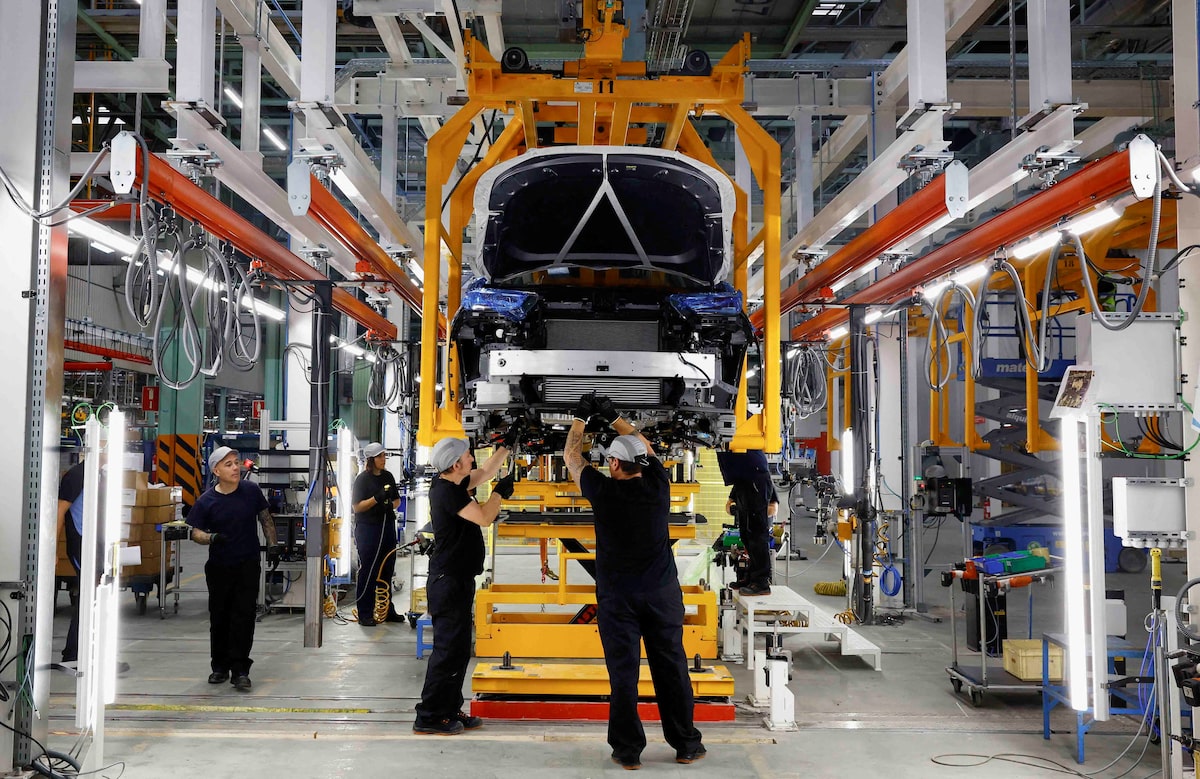
Spain wants to make Chinese EVs with EU rules- REUTERS/ Albert Gea.
|
Spain has so far done well at pursuing Chinese auto and battery makers to boost its car manufacturing sector as the industry transitions to electric cars.
As Reuters colleague Victoria Waldersee reports, Spanish regions are jostling to woo Chinese firms while many of them are also pushing Brussels to lock in tough, EU-wide foreign investment rules to protect the economy from harm from a race to the bottom.
You can read all about it here.
The two-pronged approach highlights the fine balancing act for Europe in finding a strategy to deal with Chinese companies' surging imports and ambitions to expand European production without becoming a mere assembly site for Chinese technology.
|
|
|
|
After wowing Chinese consumers, a couple of years ago with its first EV, the SU7 sedan, Xiaomi’s sales have fallen short of targets in 2026 as demand has softened in the world’s largest car market.
As Reuters colleagues Ju-min Park and Qiaoyi Li report, to boost its fortunes the smartphone maker has launched a series of big SUVs, dubbed SkyNomad.
You can read all about it here.
Big vehicles like the flagship N90 Max, a seven-seat SUV that Xiaomi describes as "a house you can move", are popular in China, and the company is also trying to broaden its audience by launching it as a range extender – an EV backed by a gas-guzzling engine with a range of over 1,000 miles.
As the name “Nomad” suggests, this series of SUVs will play a role as Xiaomi gears up to follow its Chinese rivals into overseas markets.
|
|
|
|
Chinese EV maker BYD’s global sales rose for a third straight month in July, with robust overseas demand continuing to help offset poorer conditions in its home market.
Toyota, the world's biggest automaker, raised its annual operating profit forecast by 13% to reflect a much softer yen and announced a share buyback of up to 1 trillion yen ($6.3 billion).
Australian household spending rose strongly for a second month in June as consumers splashed out on electric vehicles amid high petrol prices, suggesting demand was holding up in the face of rising borrowing costs.
China's Chery will invest $75 million in South Korean automaker KG Mobility through convertible bonds, which if converted into shares would give Chery a stake of about 10% in the company.
Rivian beat quarterly revenue estimates and raised its annual delivery forecast, buoyed by optimism over the rollout of its lower-priced R2 SUV and growth in its software business.
Thousands of Audi workers demonstrated against the possible closure of its Neckarsulm plant as parent Volkswagen pushes ahead with an overhaul expected to include tens of thousands of lost jobs.
Think your friend or colleague should know about us? Forward this newsletter to them. They can also subscribe here.
|
|
|
|
|
|
| |
|
|
Auto File is sent weekly. Think your friend or colleague should know about us? Forward this newsletter to them. They can also sign up here. Want to stop receiving this email? Unsubscribe here. To manage which newsletters you're signed up for, click here. This email includes limited tracking for Reuters to understand whether you’ve engaged with its contents. For more information on how we process your personal information and your rights, please see our Privacy Statement. Terms & Conditions |
|
| |
© 2026 Thomson Reuters. All rights reserved.
3 Times Square, New York, NY 10036 |
|
|
|
|
|






0 comentários:
Postar um comentário