Saturday, August 22, 2026
|
|
|
Breakfast has had a rough week.
Firstly, Kellogg’s Fruit ’n Fibre contains more sugar per 100g than Coco Pops. That does not, I should stress, make Coco Pops health food. But it did send me down the cereal aisle to work out which supposedly virtuous breakfasts are actually best for your gut, and why the answer looks rather less fashionable than the £9 bags of probiotic granola would have you believe. Shredded Wheat, anyone?
Eggs have been under rather more serious scrutiny. A salmonella outbreak linked to imported eggs has left more than 200 people ill and one person dead, which raises the obvious question: should you be worried about the box in your fridge? Happily, probably not. There is no evidence British-produced eggs are involved and Lion-marked eggs remain very low risk. The more interesting problem is all the egg we eat without ever seeing the shell – in restaurants, sauces, cakes and ultra-processed foods – where its origins can be much harder to trace.
That investigation arrived in the same week as some fairly grim new evidence about how the cost of food is changing the risks people are willing to take. Six in 10 people told the Food Standards Agency that they or someone in their household had eaten food beyond its use-by date to save money. Food prices are still nearly 40 per cent higher than five years ago, so I looked at what those dates actually mean, whether the sniff test tells you anything useful and just how dangerous an extra day in the fridge can be.
After all that, some lighter relief. Cathedral City is on course to become French-owned after dairy giant Lactalis agreed to buy Saputo’s UK business for £988m. It turns out our supposedly British cupboards have been international for years: Weetabix is American-owned, Tetley Indian, Branston Japanese and Terry’s Chocolate Orange is not only French-owned but actually made in Strasbourg. Britain may need to rethink what it means when we call a food “ours”.
Lauren Taylor also spoke to Tiella’s Dara Klein about the sexism that still dogs professional kitchens, building a different culture in her own restaurant and the Italian food that shaped her. Meanwhile, Rosamund Hall makes a persuasive case that English wine has moved well beyond novelty status, with the bottles worth drinking now.
And because it is still August, there is plenty to actually enjoy. BAO’s Erchen Chang has given us cold tomato noodles, smacked cucumber with smoked eel and spinach with tofu sauce; Lucy Shrimpton revived that most British of cross-Channel traditions, the Calais booze cruise; Hailey Bieber’s viral cottage cheese meatballs went under the nutritionist’s microscope; and Katie Rosseinsky found herself in the unexpected position of applauding Wetherspoons for banning customers from blasting TikToks and speakerphone calls across the pub.
Quite a week. I’d suggest starting with the noodles and opening a bottle of English fizz. The cereal aisle can wait until morning.
|
|
|
|
|
Hannah Twiggs
Food and Drink Editor
|
|
|
Salmonella outbreak: Which eggs are safe to eat? |
|
|
A salmonella outbreak linked to imported eggs has killed one person in the UK and left more than 200 ill. We look at whether the ones you have in the fridge are a problem – and why it’s the eggs we can’t see that are a real danger |
There are few foods Britain trusts more blindly than the egg. We buy them by the half-dozen, stack them in the fridge and think considerably harder about whether the yolk will be golden and runny than where the thing actually came from.
That confidence has, mostly, been earned. But the latest salmonella outbreak is more unsettling than the usual warning to wash your hands and cook your breakfast properly.
The UK Health Security Agency (UKHSA) has confirmed 207 cases of salmonella enteritidis in an outbreak dating back to August last year. Of those, 38 per cent were admitted to hospital, two developed bloodstream infections and one person has died. Whole genome sequencing suggests the cases share a common source.
Eggs are currently the best lead. Of 114 people interviewed by officials, 95 had eaten food prepared outside the home in the week before they became ill. Five food businesses have been linked to multiple cases and were supplied with eggs from several sources, including importers. There is no identified link to British-produced eggs or poultry.
So the box of six in your fridge is probably not the problem. The egg in your cafe lunch has the potential to be a more dubious proposition, however. A large number of the eggs we eat never appear as eggs at all: they are cracked, separated, pasteurised, dried or frozen before disappearing into sauces, pastries, dressings, cakes and other processed foods.
Read the full article here
|
|
|
Don't forget to complete your registration
|
We've noticed that you still have not completed your registration to The Independent. Registration is a free and easy way to support our journalism. It allows us to better understand our readers and tailor your experience.
|
By registering, you'll also gain access to a range of exclusive benefits, including:
|
- Limited access to Premium articles
- Access to The Independent app
- Access to more than 20 newsletters
- Commenting on independent.co.uk
|
|
|
|
|
|
|
|
|
|
|
|
|
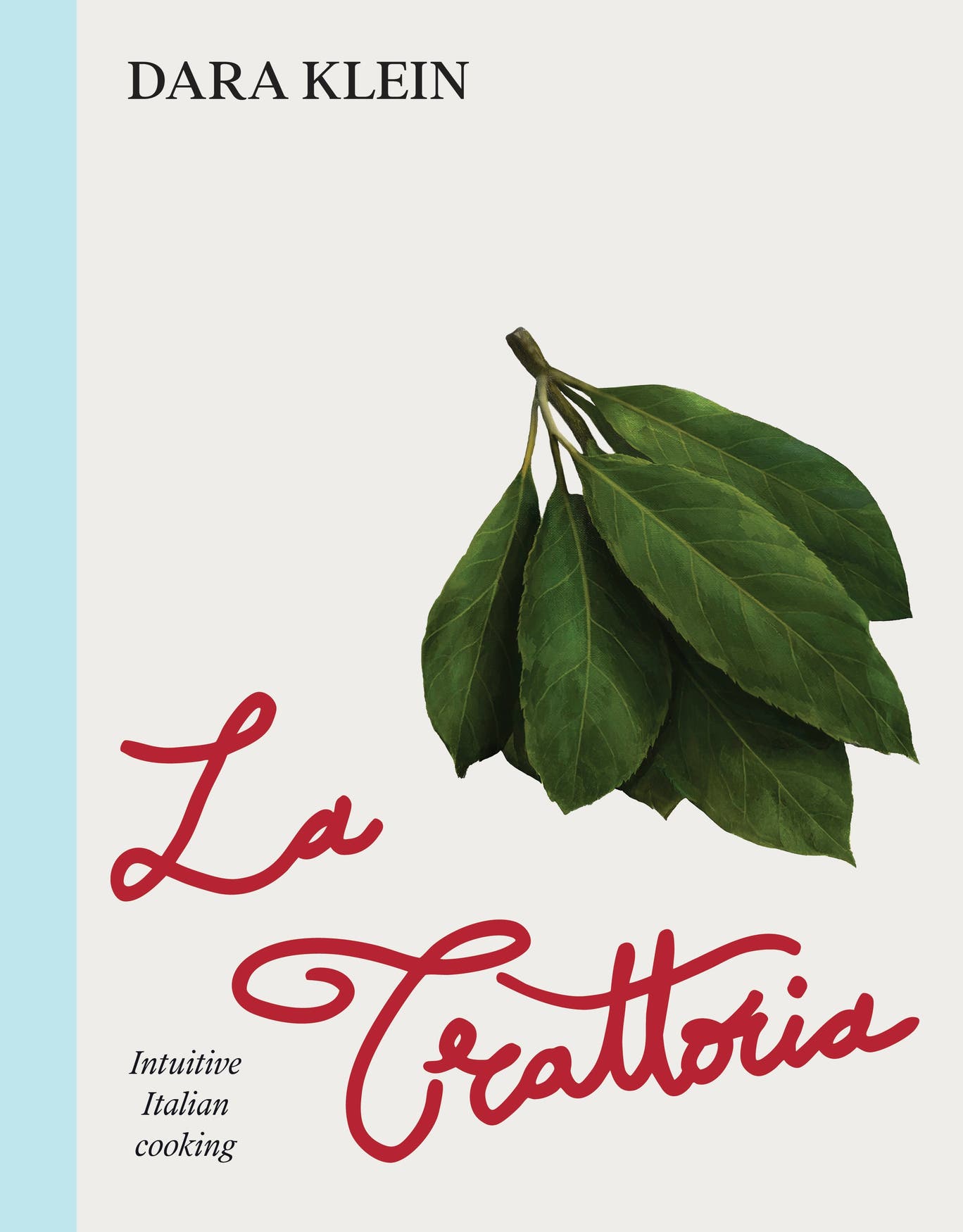
La Trattoria by Dara Klein |
Dara Klein’s debut cookbook brings the warmth of the Italian trattoria home, drawing on her Puglian roots, childhood in her parents’ restaurant and years in London kitchens. Expect generous, unfussy cooking built around proper technique and instinct: slow-cooked tomato sauces, braised meats, risotto, pasta and seasonal vegetables, alongside stories from the restaurants and people that shaped her. |
|
|
Latest lifestyle headlines from Bulletin: |
|
|
Join the conversation and follow us
|
|
|
Please do not reply directly to this email
You are currently registered to receive The Independent's IndyEats newsletter.
To unsubscribe from The Independent's IndyEats newsletter, or to manage your email preferences please click here.
This e-mail was sent by Independent Digital News and Media Ltd, 14-18 Finsbury Square, London EC2A 1AH. Registered in England and Wales with company number 07320345
Read our privacy policy and cookie policy
|
|
|
|










0 comentários:
Postar um comentário