Hello, and welcome back to our weekly climate newsletter!
On Monday, delegates from almost every country will gather in the Turkish coastal city of Antalya for COP31, the UN’s annual climate summit. In the Pacific Islands, people on the frontline of the climate crisis are urging them to act, warning that the consequences otherwise will be catastrophic.
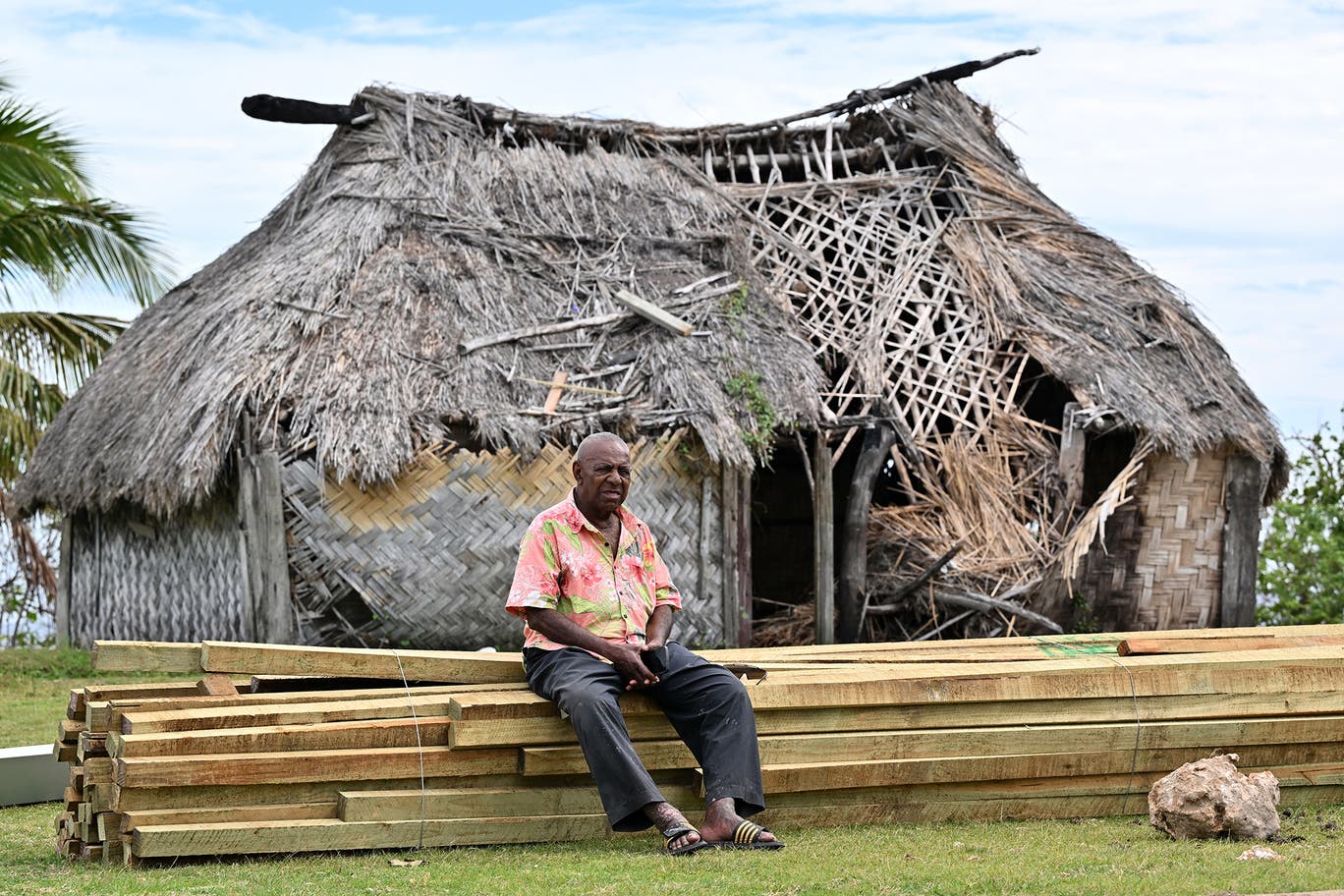
Ahead of the talks, our colleague Alex Croft travelled to Fiji, where flooding is becoming more common in the low-lying coastal areas that are home to 90 per cent of the population.
In Yavusania, a small village near Fiji’s west coast, Lessy Rokocoko pointed to the murky water of the Nadi River and remembered the four homes her neighbours had lost.
“There was a big flood in the village and they were swept away,” the 31-year-old mother of two told him.
Ms Rokocoko wonders what kind of future she can give her two-year-old daughter, Joanna. “I don’t want her to see or experience what we experienced when we were growing up,” she said.
“We always have that feeling that maybe one day the flood will just take away my house. We are scared, but we are always ready.”
She also had no doubt about who is paying the price. “In a bigger country like where you are from, you’ll never see or feel real climate change compared to our smaller islands,” she said.
“In reality, we are really facing climate change right now.”
The Pacific produces just 0.02 per cent of global emissions, yet it faces some of the gravest threats from the climate crisis. Across Fiji and the 13 other Pacific Island nations, rising seas could wipe out coastal communities, massive storms can cause floods and warming oceans are destroying marine ecosystems.
Read more
The Independent will be on the ground in Antalya for COP31 and we’ll bring you the best of the conference.














0 comentários:
Postar um comentário