One of the first moves made by Sir Jim Ratcliffe’s petrochemicals company Ineos after it bought the historic Swiss football club FC Lausanne-Sport in 2017 was to order a rebrand of the club’s crest. The new image would feature some subtle changes, with the “O” in “Sport” redrawn to replicate the distinctive ‘O’ in Ineos and a new orange trim pulled from Ineos’s branding.
Lausanne’s colours are traditionally blue and white and certainly not orange, so supporters weren’t enamoured with the idea, and their vehement protests eventually forced the redesign to be scrapped. Yet the fact that the plan ever came to fruition seemed at odds with the messaging from Ratcliffe, a billionaire who professed to be a lifelong football fan. Sprucing up the crest of a century-old football club with corporate imagery did not suggest an understanding of the game.
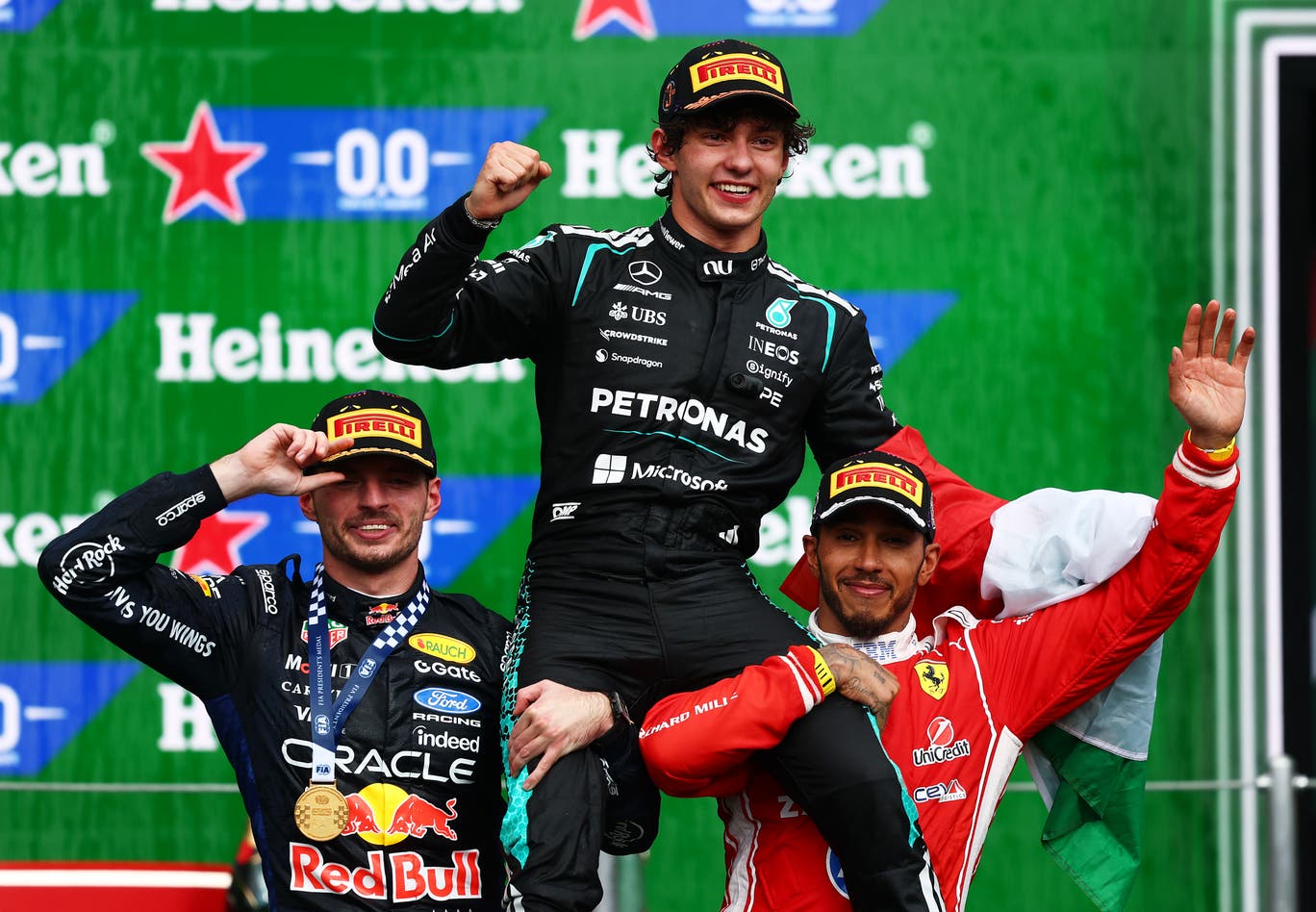
Ineos ran into several difficulties at Lausanne, and the club were soon relegated, but the experience didn’t dissuade Ratcliffe from venturing further into the world of sport. In the nine years since, Ineos has bought or significantly invested in OGC Nice, Manchester United, the Team Sky cycling team, Britain’s America’s Cup team and Mercedes F1, as well as entering sponsorship agreements with the All Blacks and Tottenham Hotspur.
There have been two recurring themes within this bold sporting empire. The first is acrimony. You can see it in the protests of Nice fans against the ownership, in the legal wrangling with the All Blacks and Spurs after Ineos terminated deals, in the fallout with Ben Ainslie as Ineos withdrew from the America’s Cup, prompting an argument over who owned a £180m boat.
The other theme is instability. The Ineos cycling team have fallen from the sport’s summit, held back by internal politics and leadership gaps. An investigation by cycling publication Escape Collective was told by a former rider that Ineos had introduced “too much structure, compliance and was acting like a big corporation”. A former Team Ineos staff member added: “All the smart people have left.”
Ineos has fallen short in its stated ambition to turn Nice into a force of French football. The bid to turn Lausanne into regulars in European competition has also failed. Both clubs are now up for sale. There are some common threads: the churn of senior leadership, chaotic decision-making, costly strategic missteps and rancour. And for those smaller Ineos projects, Ratcliffe’s £1.3bn purchase of a minority stake in Manchester United in 2024 indicated that the true priorities of the organisation lay elsewhere.
The question now is whether CEO Omar Berrada, technical director Jason Wilcox and head of recruitment Christopher Vivell will hire the right coach, and sign the right players, to restore United to the upper echelons of world football. By extension, given he hired them, it is a test of whether Ratcliffe has put the right people at the helm. After the audits and the fallouts, after the mess of Dan Ashworth’s arrival and the chaos of his departure, has Ratcliffe got the “best in class” hierarchy he promised?
Because right now United have a failing team on the pitch, led by a disillusioned captain, managed by a sinking coach, booed by disgruntled fans, in a crumbling stadium, under £1.15bn of debt. And really, when you look at Ineos’s track record in sport, what else did we expect?










0 comentários:
Postar um comentário