Hello Power Up readers,
The danger the Iran war poses to energy markets escalated significantly over the past 24 hours. On Wednesday, Iran said Israel attacked the South Pars gas field, the world's largest and a vital source of energy for Iran, prompting Tehran to retaliate by targeting multiple oil and gas facilities across the region.
Iran's most notable target was Ras Laffan, the site of Qatar's core liquefied natural gas processing operations, which account for a fifth of global LNG supplies. The country's state oil giant said the Iranian strike caused "extensive damage" to the site. Qatar had suspended production there shortly after the war started on February 28.
The attacks drew a furious response from U.S. President Donald Trump, who said Israel carried out the attack on South Pars without U.S. or Qatari knowledge. Trump also said Israel would not make any more attacks on Iranian facilities in South Pars unless Iran attacked Qatar, warning that the U.S. would attack those facilities if Iran acted against Doha.
Iran also targeted refineries in Kuwait and Saudi Arabia and gas facilities in the United Arab Emirates. All the while, the Strait of Hormuz remains mostly shut.
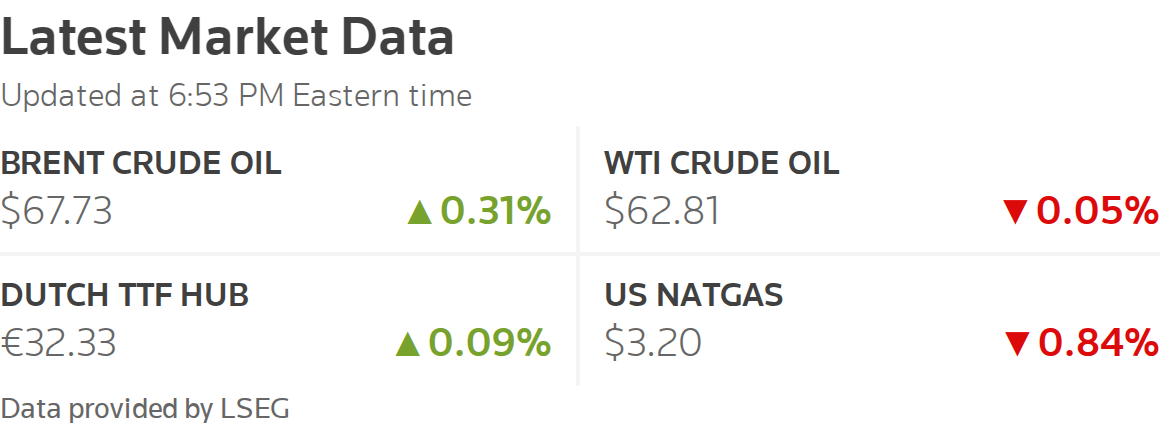
Oil prices surged on Thursday morning, with Brent rising above $115 a barrel. British and European benchmark gas prices soared by over 25%.
Iran's threat last week to send oil prices to $200 may have sounded like bombast, but that outcome now looks more likely than President Trump's prediction that prices would soon fall back to pre-war levels.
The latest escalation piles pressure on global energy markets which now face the prospects of long-term disruption to vital oil and LNG supplies.
More broadly, the Iran war has shattered the fragile coexistence among Gulf energy producers that long underpinned regional stability. Oil and gas markets will now carry a higher Middle East risk premium for years — if not decades. More on this below.
Here are some more headlines:






0 comentários:
Postar um comentário