Hello everyone,
This Sunday is International Women's Day, and to mark the occasion, The Independent has been shining a spotlight on women's health.
This week, Endometriosis UK published a new poll suggesting that women now wait almost ten years, on average, for an endometriosis diagnosis – up from eight years in 2020 – highlighting a worsening situation. On this week's Well Enough podcast, my colleague Emilie Lavinia speaks to GP and TV doctor Dr Raj Arora, who is campaigning for faster diagnosis and better treatment. If you're unfamiliar with endometriosis, check the symptoms here – it affects one out of 10 women. Endometriosis research struggles with chronic underfunding, leaving gaps in our understanding of the disease and slowing the development of new treatments. Because so little is known, symptoms are often misinterpreted – as in the case of Tamara Mulley, a 27-year-old whose signs were initially thought to be endometriosis but who was later diagnosed with stage 4 cholangiocarcinoma, or bile duct cancer. Her story highlights the importance of early detection and thorough investigation.
In similar vein, this week Strictly Come Dancing star Alex Kingston shared her experience of the uterine cancer symptoms she initially ignored, offering another powerful reminder of the need to listen to your body and act quickly.
Elsewhere, the government's SEND reforms continue to spark controversy. Health secretary Wes Streeting has outlined his views on the changes in an exclusive interview with The Independent.
And finally, measles returned to the headlines last week, and I have the inside track on why hundreds of suspected cases are now being reported in the capital. More on this below, including a harrowing story of a major complication of virus.
|
|
|
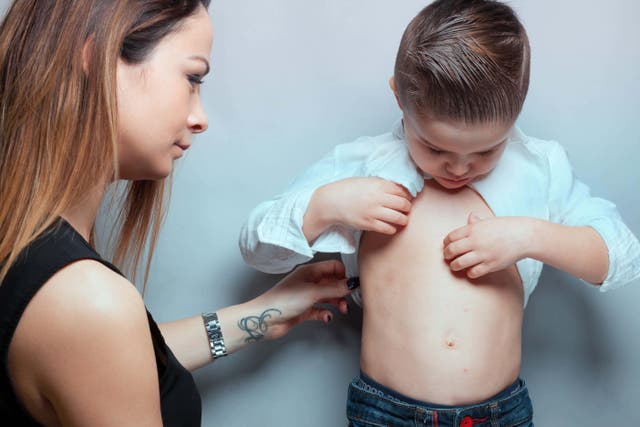
A leak to The Independent last week revealed more than 300 suspected measles cases across London, following a major outbreak in the capital. The leaked document showed that 34 cases were linked to a single school, raising questions about whether this reflects a deeper barrier to vaccination within the community or simply an unlucky cluster. The full picture is still emerging, but experts suggest the reality is likely to be complex. I've spoken to numerous clinicians about why vaccine uptake has declined across the country. The issue isn't just "anti-vax" sentiment. For some families, access to healthcare and reliable information is limited. For others, complacency plays a role: the collective memory of how serious measles can be has faded, thanks in part to the success of vaccination programmes. The consequences of this can be devastating. One mother told me the heartbreaking story of her daughter, who contracted measles before she was old enough for vaccination and, two decades later, developed subacute sclerosing pan-encephalitis (SSPE), a rare but fatal brain condition. SSPE affects roughly 1 in 50,000 cases of natural measles, and since 2009, three children and three adults in the UK have died from it. |
|
|
Leaked report reveals 34 confirmed measles cases in London were associated with just one school
|
| |
|
|
This issue is not unique to the UK. Across the Atlantic, in South Carolina, seven-year-old Ethan was hospitalised with measles encephalitis, a severe complication causing swelling and inflammation of the brain. His parents had chosen not to vaccinate him, and he became one of hundreds affected in the state's outbreak. Measles remains highly contagious, spreading through fine droplets that can linger in the air for up to two hours. In South Carolina, nearly 90 per cent of cases occurred in unvaccinated children. Experts warn that unvaccinated populations pose a risk not only to themselves but also to those who cannot be vaccinated due to medical conditions. |
|
|
Don't forget to complete your registration |
We've noticed that you still have not completed your registration to The Independent. Registration is a free and easy way to support our journalism. It allows us to better understand our readers and tailor your experience. |
By registering, you'll also gain access to a range of exclusive benefits, including: |
- Limited access to Premium articles
- Access to The Independent app
- Access to more than 20 newsletters
- Commenting on independent.co.uk
|
|
|
|
|
|
|
|
|
|
|
Join the conversation and follow us |
| |
Please do not reply directly to this email You are currently registered to receive The Independent's Health newsletter. To unsubscribe from The Independent's Health newsletter, or to manage your email preferences please click here. This e-mail was sent by Independent Digital News and Media Ltd, 14-18 Finsbury Square, London EC2A 1AH. Registered in England and Wales with company number 07320345
Read our privacy policy and cookie policy
|
|
|
|















0 comentários:
Postar um comentário